
Quick Answer: Why should you visit Egypt in 2027?
Egypt is worth visiting in 2027 for its ancient pyramids, the Grand Egyptian Museum, spectacular temples, Nile cruises, Red Sea beaches, desert landscapes, and living cultural traditions. The country also lies along the path of a total solar eclipse on August 2, 2027, with Luxor offering an exceptional viewing opportunity. From archaeology to relaxation, Egypt offers remarkably different experiences within one country.
Standing before the Great Pyramid of Giza is one reason to travel to Egypt. But imagine combining that experience with a morning inside the Grand Egyptian Museum, several days exploring the temples of Luxor, and a peaceful evening sailing along the Nile.
That is what makes Egypt unusual: its greatest attractions are not confined to one city or one type of holiday.
You can explore royal tombs built thousands of years ago, walk through Cairo’s historic neighborhoods, swim above Red Sea coral reefs, or visit desert landscapes that look entirely different from the familiar images of the pyramids.
For travelers considering a trip to Egypt in 2027, there is another notable attraction. On August 2, a total solar eclipse will cross parts of the country, including Luxor, where totality is expected to last approximately six minutes and twenty seconds.
However, Egypt is not a destination where everything should be squeezed into a few days. Cairo can be busy, major archaeological sites require considerable walking, summer temperatures can be intense, and distances between attractions are larger than many first-time visitors expect.
The following 10 reasons to visit Egypt explain what makes the country special, who each experience suits, and how to create a trip that matches your interests, time, and travel budget.
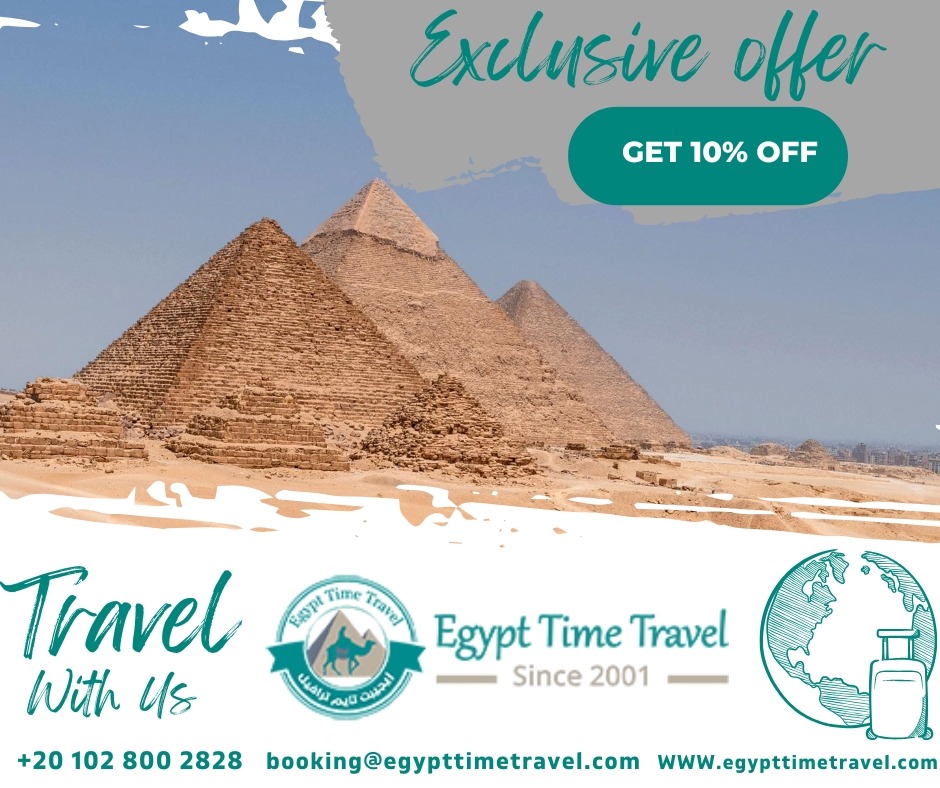
What Is Egypt Famous For, and What Makes It Unique?
Egypt is best known for the Pyramids of Giza, the Great Sphinx, the Nile River, ancient pharaohs, temples, tombs, mummies, and archaeological discoveries.
Its importance goes far beyond famous monuments. Ancient Egypt developed a complex civilization along the Nile, leaving behind extensive evidence of religion, government, writing, architecture, art, and everyday life.
The Great Pyramid of Khufu, completed around the middle of the third millennium BCE, is the only surviving Wonder of the Ancient World.
In southern Egypt, the monuments of ancient Thebes preserve evidence of a later period when Egyptian kings controlled a powerful empire. In Aswan and Nubia, temples reveal connections between Egyptian, Nubian, Greek, and Roman histories.
Modern Egypt adds further layers. Cairo contains major Islamic and Coptic heritage sites, Alexandria reflects the country’s Mediterranean history, and contemporary Egyptian culture remains active through music, food, markets, and family traditions.
What makes Egypt unique is the ability to see these different historical periods and environments within a single journey.
| What Egypt is known for | Where to experience it | Why it matters |
|---|---|---|
| Ancient pyramids | Giza, Saqqara, Dahshur | Development of monumental architecture and royal burial traditions |
| Pharaohs and royal tombs | Luxor and the Valley of the Kings | New Kingdom religion, kingship, and funerary art |
| Ancient artifacts | Grand Egyptian Museum, Cairo museums | Original objects that explain Egyptian history |
| The Nile River | Luxor, Aswan, Nile Valley | Geography that supported ancient civilization |
| Extraordinary temples | Karnak, Luxor, Edfu, Philae, Abu Simbel | Religious traditions and monumental construction |
| Historic city life | Cairo and Alexandria | Islamic, Christian, Mediterranean, and modern Egyptian culture |
| Beaches and diving | Hurghada, Marsa Alam, Sharm El Sheikh | Coral reefs, marine life, and coastal relaxation |
| Desert scenery | White Desert and selected oases | Geological formations and contrasting landscapes |
| Egyptian cuisine | Cairo, Alexandria, and local towns | Everyday culture expressed through regional foods |
Egypt is not simply one of the countries with famous historical attractions. It is a place where geography, archaeology, religion, and contemporary culture remain closely connected.
1. Visit the Pyramids of Giza and Discover How Ancient Egypt Built Its Wonders
The Pyramids of Giza are among the strongest reasons to visit Egypt because they allow travelers to encounter one of humanity’s most remarkable architectural achievements.
The Giza Plateau contains three principal royal pyramids built during Egypt’s Fourth Dynasty, around 4,500 years ago.
The largest was constructed for Pharaoh Khufu. The neighboring pyramids are associated with Khafre and Menkaure.
Nearby stands the Great Sphinx, a monumental limestone figure with a lion’s body and a human head, generally associated with the reign of Khafre.
Why are the Great Pyramids so important?
The Great Pyramid was originally approximately 146.6 meters tall. It was built using enormous quantities of stone and required sophisticated construction planning, labor organization, transport, and surveying.
Its significance is not simply its size.
The pyramid belongs to a larger funerary complex connected with ancient Egyptian beliefs about kingship, death, and the afterlife.
To understand that complex, it helps to see the pyramid alongside its associated temples, smaller pyramids, and surrounding tombs.
The Great Pyramid also forms part of the UNESCO-listed Memphis and its Necropolis, which includes the pyramid fields extending from Giza to Dahshur.
For a closer look at the monuments and their historical relationships, explore the Giza Necropolis.
Is visiting the pyramids really worth it?
Yes, especially for first-time travelers.
Photographs rarely communicate the scale of the structures or the contrast between the archaeological plateau and the modern city beyond it.
However, visitors should set realistic expectations.
Giza is a major tourist attraction rather than an isolated desert site. You may encounter queues, ticket checks, vendors, transport vehicles, and considerable exposure to sunlight.
Entering a pyramid can also be very different from walking around its exterior. Interior passages may be narrow, steep, warm, and uncomfortable for people with limited mobility or claustrophobia.
A general plateau ticket does not necessarily include entry inside individual pyramids. Additional admission arrangements should be checked before visiting.
- Recommended visit duration: Approximately three to five hours for a comfortable general visit, excluding substantial travel time.
- Best for: First-time visitors, history enthusiasts, photographers, and travelers interested in ancient engineering.
- Practical recommendation: Visit earlier in the day when possible, carry drinking water, wear sturdy shoes, and allow time for both close-up views and wider panoramic perspectives.
Discover the pyramids before Giza
A particularly rewarding addition is Saqqara, where visitors can see the Step Pyramid of Djoser.
Constructed during the Third Dynasty, the Step Pyramid represents a major development in monumental stone architecture.
Its stepped design helps explain the architectural experimentation that preceded the smooth-sided pyramids of Giza.
The Saqqara Necropolis contains much more than the Step Pyramid. Tombs, reliefs, and burial complexes reveal aspects of ancient Egyptian society that are less obvious at Giza.
Dahshur is another important archaeological area, particularly for the Bent Pyramid and Red Pyramid associated with Pharaoh Sneferu.
If you have two days for pyramid exploration, separating Giza from Saqqara and Dahshur creates a more educational and less rushed experience.
Why this is one of the best reasons to go to Egypt: Few places let travelers examine such an extensive sequence of architectural development in its original geographical setting.

2. Explore the Grand Egyptian Museum and Tutankhamun’s Treasures
The Grand Egyptian Museum is a major reason to consider Egypt in 2027, particularly for travelers who have previously visited Cairo or postponed a trip until the museum’s full opening.
Located near the Giza Plateau, the museum was formally inaugurated in November 2025 and subsequently opened its complete principal exhibition experience to the public.
This is a significant development in Egypt tourism.
The museum provides a modern setting for understanding the country’s archaeological collections, with extensive galleries dedicated to ancient Egyptian civilization.
One of its leading attractions is the collection associated with King Tutankhamun, whose tomb was discovered in the Valley of the Kings in 1922.
What makes the Grand Egyptian Museum special?
The museum helps visitors understand objects that might otherwise seem disconnected from their historical settings.
Ancient Egyptian statues, jewelry, funerary equipment, inscriptions, and everyday objects reveal how people lived, governed, worshipped, and prepared for death.
The Tutankhamun collection is especially significant because the discovery of his relatively intact royal tomb preserved an extraordinary group of objects associated with a single pharaoh.
These artifacts include ceremonial pieces, decorative items, furniture, and funerary equipment.
Unlike simply reading about Tutankhamun, visitors can examine the craftsmanship and symbolism of objects made for the young king.
Explore the story behind the Tutankhamun exhibition at the Grand Egyptian Museum.
How much time should you spend at the museum?
Allow approximately four to six hours if you want to explore the main galleries without rushing.
Travelers with a particular interest in Egyptology may prefer an extended visit.
A museum experience can become tiring when combined with a long outdoor archaeological tour. Although the Grand Egyptian Museum and the pyramids are geographically close, visiting both thoroughly in one day may feel demanding.
A more comfortable arrangement is:
-
Day one: Giza Plateau and selected nearby attractions.
-
Day two: Grand Egyptian Museum and a relaxed evening.
-
Optional additional day: Other Cairo museums or Saqqara.
This arrangement also gives visitors time to absorb what they have learned.
Is the Grand Egyptian Museum replacing all other Cairo museums?
No.
The Egyptian Museum in Tahrir Square and the National Museum of Egyptian Civilization remain different institutions with their own collections and visitor experiences.
The National Museum of Egyptian Civilization in Fustat is particularly associated with its Royal Mummies Hall and broader presentation of Egyptian civilization across different periods.
Travelers who want to understand which museum best suits their interests can use this comparison of the Egyptian Museum and Grand Egyptian Museum.
The best choice depends on whether you want the extensive Tutankhamun collections, a more traditional museum experience, or a broader historical presentation.
Best for: Archaeology enthusiasts, families with older children, cultural travelers, and anyone interested in the material evidence of ancient Egyptian life.
2027 planning note: Verify museum admission categories, booking arrangements, gallery access, and operating hours before traveling. These details can change.
3. Discover the Temples and Royal Tombs of Luxor
Luxor is one of Egypt’s most important archaeological destinations.
Located in Upper Egypt, the modern city occupies the area of ancient Thebes, a major political and religious center during the New Kingdom.
Its monuments are distributed across both banks of the Nile.
The East Bank contains prominent temple complexes, while the West Bank includes royal tombs, mortuary temples, and extensive burial landscapes.
What makes Karnak Temple extraordinary?
Karnak is not a single building. It is a vast temple complex developed and modified by successive rulers over many centuries.
Its most recognizable architectural feature is the Great Hypostyle Hall, containing 134 monumental columns.
The columns, inscriptions, statues, and ceremonial spaces demonstrate the importance of the god Amun and the political power associated with Egyptian kingship.
Walking through the hall also provides a different perspective on ancient construction.
At Giza, the focus is often on monumental external shapes. At Karnak, visitors can examine the relationship between architecture, decoration, religious ceremonies, and royal propaganda.
Read more about the history and design of Karnak Temple.
Luxor Temple offers another distinctive experience, particularly when its illuminated architecture can be appreciated during evening visiting hours where available.
Why visit the Valley of the Kings?
The Valley of the Kings was a royal burial area used primarily during the New Kingdom.
Many tombs were carved into the limestone cliffs and decorated with religious texts and images associated with the pharaoh’s journey through the afterlife.
The attraction is not simply the number of tombs.
Each accessible tomb offers a different combination of architecture, painted decoration, preservation, and historical significance.
The tomb of Tutankhamun became internationally famous after its discovery by Howard Carter in 1922, but other royal tombs can be larger or more extensively decorated.
The Valley of the Kings deserves enough time to appreciate these differences.
Visitors should know that tomb access rotates and certain tombs may require separate tickets. Not every tomb is open at all times.
What else should you see in Luxor?
The West Bank includes the Mortuary Temple of Hatshepsut, set against dramatic limestone cliffs.
The Colossi of Memnon are monumental seated statues associated with Pharaoh Amenhotep III.
Other important attractions include Medinet Habu, the Ramesseum, and the tombs of nobles whose decorations offer valuable evidence of everyday life in ancient Egypt.
Luxor also offers sunrise hot-air balloon experiences, subject to weather and operational permission.
These flights provide views of the Nile Valley, agricultural land, desert cliffs, and archaeological surroundings, although routes and operating arrangements vary.
Recommended stay: Two full days is a reasonable introduction; three or four days offers a more comfortable archaeological experience.
Best for: Travelers interested in pharaohs, temples, architecture, ancient religion, and archaeological photography.
Practical recommendation: Divide Luxor by riverbank rather than repeatedly crossing between sites. Visit exposed monuments earlier in the day, especially during warmer months.
For many travelers, Luxor becomes the part of Egypt that most clearly explains why ancient Egyptian civilization remains so influential.
4. Experience the Nile River Through a Cruise or Traditional Sailing Trip
The Nile is central to understanding Egypt.
For thousands of years, the river supported agriculture, settlement, transportation, trade, and political organization.
Its annual flood historically renewed agricultural land with fertile sediment before modern river-control systems transformed the water cycle.
That relationship between the Nile and Egyptian civilization remains visible in the landscape.
Beyond the cities and cultivated riverbanks, the surrounding desert often begins abruptly.
Why is a Nile cruise worth considering?
A Nile cruise allows travelers to combine transportation, accommodation, and sightseeing along one of Egypt’s most historically important corridors.
Many established itineraries operate between Luxor and Aswan, visiting selected temples and archaeological sites along the route.
Cruises commonly include opportunities to see Edfu Temple and Kom Ombo Temple, subject to the vessel’s schedule and the booked itinerary.
The experience is different from a conventional city holiday.
Instead of constantly changing hotels, travelers can spend several days on the river while visiting monuments along the way.
For first-time visitors, an Egypt Nile River cruise can be an efficient introduction to Upper Egypt.
What do you actually see from the river?
The Nile Valley reveals an everyday landscape that is easy to overlook when traveling only between major attractions.
You may see cultivated fields, palm groves, riverside settlements, fishing boats, and the transition between fertile land and desert hills.
Not every section of the cruise is equally scenic. Some stretches pass industrial or urban areas, and vessels may spend time moored alongside other ships.
That is an important distinction between realistic expectations and promotional photography.
A Nile cruise can be relaxing, but it is not necessarily an uninterrupted journey through empty countryside.
Which Nile experience should you choose?
| Nile experience | Ideal traveler | Main advantage | Main consideration |
|---|---|---|---|
| Standard river cruise | First-time visitors | Combines hotels, transport, and sightseeing | Fixed itinerary and scheduled visits |
| Luxury Nile cruise | Comfort-focused travelers | Higher-end accommodation and onboard service | Usually a higher overall cost |
| Dahabiya sailing journey | Travelers seeking a smaller vessel | More intimate atmosphere and different cruising style | Limited cabin capacity and specific schedules |
| Felucca sail | Visitors with limited time | Traditional sailing experience | Basic facilities and strong dependence on wind and weather |
| Lake Nasser cruise | Repeat visitors and archaeology enthusiasts | Access to remote Nubian monuments | Different route from the classic Nile cruise |
A dahabiya is a smaller traditional-style sailing vessel, generally suited to travelers who prefer a quieter atmosphere.
A felucca, meanwhile, is often best for a short sailing experience around Aswan rather than a substitute for a conventional multi-day cruise.
For a clearer understanding of travel sequence, sailing nights, and archaeological stops, review this Nile cruise itinerary guide.
Recommended duration: A few hours for a short local sail or several nights for a cruise connecting Luxor and Aswan.
Best for: Couples, mature travelers, first-time visitors, and those who want to combine historical sightseeing with periods of rest.
Practical recommendation: Compare itineraries by actual sightseeing inclusions, guide arrangements, vessel class, cabin position, transfer details, and total nights rather than judging by the ship photographs alone.

5. Explore Aswan, Nubian Heritage, Philae Temple and Abu Simbel
Aswan has a different atmosphere from Cairo and Luxor.
Located in southern Egypt, the city sits beside an especially scenic stretch of the Nile, with granite islands, rocky riverbanks, palm trees, and desert hills.
Aswan is also an important starting point for exploring Nubian history and culture.
The area’s historical importance comes partly from its position near Egypt’s ancient southern frontier and its connections with regions farther south along the Nile.
Why is Aswan beautiful?
The beauty of Aswan lies in the relationship between water, islands, desert, and settlement.
Traditional sailboats move around Elephantine Island, while villages and archaeological remains reflect the city’s long history.
The granite landscape creates a different visual impression from the limestone monuments of northern Egypt.
A relaxed visit might include a boat ride, a local market, the Nubian Museum, and the Unfinished Obelisk.
These activities offer insight into both ancient and more recent cultural history.
What makes Philae Temple special?
Philae is associated with the worship of Isis, one of ancient Egypt’s most important goddesses.
The temple complex stands on Agilkia Island, where its principal structures were relocated during the international campaign to protect Nubian monuments from the rising waters associated with the Aswan High Dam.
Visitors reach the temple by boat.
That approach is part of the experience: the structures gradually come into view against the water and surrounding landscape.
The relocation also creates an opportunity to discuss the modern history of archaeological conservation.
The Temple of Philae demonstrates how the protection of ancient monuments sometimes requires major engineering and international cooperation.
Is Abu Simbel worth the journey?
For many archaeology enthusiasts, yes.
Abu Simbel contains monumental rock-cut temples built under Ramses II during the New Kingdom.
The main temple is particularly famous for the four massive seated statues decorating its entrance.
Like Philae, Abu Simbel was moved to protect it from the waters of Lake Nasser.
The relocation of the temples during the 1960s was one of the most notable achievements of the international campaign to save Nubian heritage.
However, Abu Simbel requires substantial travel from Aswan.
A road excursion commonly involves several hours of driving each way. Travelers should not treat it as a short local sightseeing stop.
For the archaeological background and visitor considerations, explore the Abu Simbel Temple.
What should travelers know about Nubian culture?
Nubian heritage extends across southern Egypt and northern Sudan.
Nubian communities maintain distinctive cultural traditions, including languages, music, artistic practices, and forms of architecture.
A visit to a Nubian village should be approached as an opportunity to encounter a living community, not as a staged representation of the ancient past.
Choose visits that respect residents’ privacy and provide appropriate economic benefits to local participants.
Ask permission before photographing people, particularly inside homes or private spaces.
Recommended stay: Two days for Aswan’s principal attractions, with an additional day or carefully arranged excursion for Abu Simbel.
Best for: Travelers interested in historical preservation, Nile scenery, Nubian culture, and a slower pace between archaeological visits.
6. Discover Cairo’s Living History, Markets and Architecture
Cairo is one of the most compelling reasons to travel to Egypt, but it is also the destination most likely to surprise first-time visitors.
It is a large, densely populated metropolis with significant traffic, active commercial districts, modern neighborhoods, and an extraordinarily complex history.
The city’s appeal comes from its layers.
Ancient archaeological sites lie within the wider metropolitan region, while historic districts preserve Islamic, Christian, and Ottoman-era architecture.
Why is Islamic Cairo worth visiting?
Historic Islamic Cairo contains mosques, religious schools, markets, houses, and monuments representing centuries of architectural development.
Al-Muizz Street is especially rewarding for travelers interested in historic urban design.
The street and surrounding neighborhoods include ornate façades, monumental gateways, and examples of craftsmanship associated with different Islamic dynasties.
Nearby Khan El Khalili remains one of Cairo’s best-known market areas, where travelers encounter shops selling souvenirs, textiles, lamps, jewelry, spices, and other goods.
For a more meaningful visit, explore the wider history of Islamic Cairo rather than treating the district simply as a shopping destination.
A guided architectural walk can help explain details that are easy to miss without historical context.
What makes Coptic Cairo important?
Coptic Cairo forms another major part of the city’s cultural history.
The district contains important Christian sites, including the Hanging Church and the Church of Saints Sergius and Bacchus.
The area also reflects the long history of Christianity in Egypt and the relationships between different religious communities.
Visitors interested in Egypt’s religious history can explore Coptic Cairo as a separate historical experience.
Cairo’s Jewish heritage also forms part of the broader history of the old city.
What is Cairo like beyond its monuments?
A day in Cairo can include modern restaurants, neighborhood cafés, art spaces, shopping districts, and local street-food experiences.
The contrast between historic sites and contemporary city life is part of what makes the destination memorable.
However, Cairo rewards careful planning.
Traffic can be significant, and travel times between neighborhoods are not always predictable.
Walking distances may be reasonable within a historic district but unsuitable between distant attractions.
Travelers should also expect different levels of noise, crowding, and street activity from what they might experience in smaller European or North American cities.
Recommended stay: Three days for Giza, major museums, and selected historic neighborhoods; four or five days for a more relaxed visit.
Best for: Cultural travelers, photographers, food enthusiasts, architecture lovers, and visitors interested in contemporary Egyptian life.
Practical recommendation: Group attractions geographically, arrange reliable transport for longer journeys, and avoid building an itinerary around overly optimistic driving times.
Cairo is not always quiet or orderly, but its combination of historical significance and everyday urban energy makes it difficult to compare with any single European capital.
7. Relax on Red Sea Beaches and Explore Extraordinary Marine Life
Egypt is famous for its ancient history, but its Red Sea coastline offers an entirely different holiday.
The Red Sea is known for coral reefs, warm-water marine environments, and opportunities for snorkeling and diving.
Popular resort regions include Hurghada, Marsa Alam, and Sharm El Sheikh.
Dahab, on the Gulf of Aqaba, offers another style of coastal travel with diving, snorkeling, and outdoor activities.
Why visit the Red Sea in Egypt?
The Red Sea allows travelers to combine archaeological sightseeing with beach relaxation.
For example, a visitor might spend several days exploring Cairo and Luxor before finishing with a resort stay.
This combination is particularly useful for couples or families with different interests.
Some travelers want early mornings at temples and museums. Others would prefer swimming, comfortable hotels, and less structured time.
Egypt offers the possibility of both.
Explore the coastal options in this Red Sea travel guide.
Is snorkeling in Egypt worth it?
Yes, if marine activities are an important part of your holiday.
Suitable sites can provide opportunities to observe coral formations, reef fish, and other marine species.
What visitors actually see depends on location, water conditions, season, visibility, and individual luck.
Some experiences are shore-based, while others require a boat journey.
Not every beach resort has an equally accessible house reef, so travelers should research the specific hotel or excursion rather than assume excellent snorkeling everywhere.
The snorkeling experiences available in Egypt vary considerably by coastline and reef location.
Marine conservation matters here.
Avoid standing on coral, touching marine animals, collecting shells or coral, or participating in activities that encourage the disturbance of wildlife.
Which Red Sea destination is best?
| Destination | Best suited to | What to consider |
|---|---|---|
| Hurghada | Resort holidays, families, first-time Red Sea visitors | Wide variation in hotel location and facilities |
| Marsa Alam | Marine-life enthusiasts and quieter resort holidays | Longer transfers at some properties |
| Sharm El Sheikh | Resort stays, diving, organized excursions | Located in South Sinai; review relevant travel guidance |
| Dahab | Independent travelers and diving enthusiasts | Less conventional large-resort atmosphere in many areas |
- Recommended stay: Three to five nights for a relaxed beach extension.
- Best for: Honeymooners, families, divers, snorkelers, and travelers who want downtime after historical sightseeing.
- Practical recommendation: Choose the exact resort according to beach accessibility, swimming conditions, reef access, transfer time, and the atmosphere you prefer.
The coast offers one of the clearest answers to the question, “Is Egypt a beautiful country?”
Egyptian beauty is not limited to monuments or desert sunsets. Much of it is found underwater.
8. See Egypt’s Deserts, Oases and Unusual Natural Landscapes
Egypt’s natural beauty often receives less attention than its archaeological sites.
Yet much of the country is desert, and its landscapes vary considerably.
There are sand dunes, limestone formations, rocky plateaus, salt lakes, palm-filled oases, and remote areas that look very different from the Nile Valley.
What makes the White Desert special?
The White Desert is known for pale chalk and limestone formations shaped by geological processes over long periods.
Wind erosion has produced unusual natural shapes that contrast with the surrounding desert.
Depending on the area, visitors may see formations resembling towers, sculptures, or abstract structures.
The changing light during sunrise and sunset can make the landscape especially striking.
The White Desert appeals to travelers who value geology, landscape photography, and outdoor experiences.
However, desert travel requires more preparation than a typical city excursion.
Remoteness, transport restrictions, heat, limited services, and changing security guidance must all be considered.
Some desert regions are subject to government travel warnings, and permitted access can differ significantly between locations.
Use appropriately licensed operators where travel is permitted and suitable for your nationality, insurance, and circumstances.
Why visit Siwa Oasis?
Siwa is a distinctive oasis in Egypt’s Western Desert, known for palm groves, salt lakes, traditional architecture, and local Amazigh cultural heritage.
The journey to Siwa is substantial, making it better suited to travelers with several additional days.
It is not a realistic quick excursion from Cairo.
Visitors should also be aware that some areas are environmentally sensitive and that road conditions or access arrangements can change.
Explore the cultural and geographical background of Siwa Oasis before deciding whether the journey fits your itinerary.
Is a desert trip right for everyone?
Not necessarily.
Travelers expecting luxury accommodation, smooth transport, constant mobile coverage, and nearby medical services may prefer established urban or coastal destinations.
The desert is better suited to visitors who appreciate open landscapes, can tolerate longer travel, and understand the limitations of remote locations.
Families and older travelers should assess the specific journey rather than assume all desert excursions involve similar levels of comfort or physical activity.
Recommended duration: At least an overnight or multi-day excursion for most substantial desert experiences.
Best for: Landscape photographers, geology enthusiasts, adventurous travelers, and repeat visitors looking beyond Egypt’s standard sightseeing circuit.
Practical recommendation: Never choose a remote route based only on photographs. Check current regional travel advice, permissions, road conditions, insurance coverage, and the credentials of your operator.
9. Experience Egyptian Food, Hospitality and Everyday Culture
Ancient monuments explain much of Egypt’s history, but everyday life offers another reason to visit.
Egyptian food, language, family traditions, social customs, and local markets make the country more than an archaeological destination.
What food is Egypt famous for?
Egyptian cuisine includes dishes associated with different regions and traditions.
A few widely recognized examples are:
-
Koshari: A filling dish commonly made with rice, pasta, lentils, chickpeas, tomato sauce, and seasoned toppings.
-
Ful medames: Cooked fava beans, often served as a breakfast dish.
-
Taameya: Egypt’s version of falafel, traditionally made with fava beans.
-
Molokhia: A preparation made from finely chopped leafy greens, often served with rice or bread and a protein.
-
Mahshi: Vegetables or leaves stuffed with seasoned rice mixtures.
-
Feteer meshaltet: A layered pastry that may be served with sweet or savory accompaniments.
Food experiences can range from a simple neighborhood breakfast to a full restaurant meal featuring regional recipes.
For practical suggestions, explore traditional Egyptian food.
What is Egyptian hospitality really like?
Visitors often encounter hospitality through cafés, restaurants, family-run businesses, hotels, markets, and organized cultural experiences.
However, experiences vary.
Not every friendly conversation leads to a commercial transaction, and not every sales interaction should be interpreted as hospitality.
Tourist areas can also involve persistent selling, particularly around popular monuments and markets.
It helps to distinguish genuine social interaction from sales approaches while remaining polite.
Travelers who learn a few Arabic greetings and understand basic local etiquette may find everyday encounters more comfortable.
What language do people speak in Egypt?
Arabic is Egypt’s official language, and Egyptian Arabic is the main language used in everyday conversation.
English is widely used in many tourism settings, although language ability varies by location and individual.
You do not need to speak fluent Arabic for a typical organized holiday.
However, learning simple expressions can make shopping, greetings, and social interactions easier.
The language spoken in Egypt is also an interesting subject for travelers curious about how contemporary Egyptian identity developed.
How can tourists experience local culture respectfully?
Choose activities that involve meaningful interaction rather than only staged performances.
A food-focused walk, a guided market visit, a traditional craft workshop, or a locally operated cultural experience may offer more insight than souvenir shopping alone.
Dress respectfully in religious locations, ask before photographing people, and observe rules concerning sacred spaces.
Remember that Egypt is a modern country with varied communities, lifestyles, and social attitudes.
No single market, meal, or village represents every Egyptian.
Best for: Curious travelers, food enthusiasts, families, and anyone who wants to understand daily life alongside historical sightseeing.
One of the good things about Egypt is that its history is not confined to museums. Language, recipes, religious celebrations, and cultural practices connect the present with a long and complicated past.
10. Witness the August 2, 2027 Total Solar Eclipse in Egypt
One of the strongest date-specific reasons to visit Egypt in 2027 is the total solar eclipse scheduled for Monday, August 2.
The eclipse will cross parts of North Africa and the Middle East, with the path of totality passing through Egypt.
Luxor is particularly notable because it lies close to the central portion of the eclipse path.
Astronomical calculations indicate that viewers in suitable locations around Luxor can experience approximately six minutes and twenty seconds of totality.
This makes the event unusually long for a total solar eclipse.
Why is the 2027 eclipse special?
A total solar eclipse occurs when the Moon passes between Earth and the Sun, temporarily covering the Sun’s visible disk for observers within a narrow geographical corridor.
During totality, daylight darkens dramatically and the Sun’s outer atmosphere, known as the corona, becomes visible.
Egypt offers a distinctive setting for the event because portions of the eclipse path pass through historically significant landscapes.
However, seeing the eclipse near an ancient monument does not automatically mean visitors will be permitted to watch from within that monument.
Special access, capacity limits, ticketing arrangements, and site-specific rules must be confirmed.
Where can visitors see the total eclipse?
Luxor is among the most prominent locations along the path of totality.
Other parts of Egypt, including areas around Asyut and Siwa, also lie within the totality corridor.
Cairo and the Giza Plateau are outside the path of totality, so visitors based there should not expect the same viewing experience.
The precise duration of totality depends on the observer’s location.
What should travelers know before planning an eclipse trip?
August is one of the hottest periods of the year in Upper Egypt.
The event occurs around the middle of the day, when heat exposure is particularly important.
Travelers should plan for:
-
Reliable transportation to a confirmed viewing location.
-
Safe viewing equipment appropriate for a solar eclipse.
-
Drinking water, shade, and heat protection.
-
Accommodation arrangements that account for the event.
-
Possible restrictions at archaeological sites.
-
Alternative arrangements if transport or access changes.
-
Sufficient time before and after the event rather than a tightly scheduled same-day journey.
Proper eclipse glasses or solar viewers must meet appropriate eye-safety standards.
Ordinary sunglasses are not adequate protection.
During partial phases, never look directly at the Sun without suitable solar viewing protection. Cameras, binoculars, and telescopes require properly designed solar filters.
Totality is brief, and safe viewing procedures differ between total and partial phases. Follow established astronomical safety guidance rather than improvising.
Is August 2027 the best time for everyone to visit Egypt?
No.
Travelers whose main priority is the eclipse may consider August despite the extreme heat.
For visitors mainly interested in archaeological sightseeing, autumn, winter, and early spring generally offer more comfortable conditions.
The eclipse is a special opportunity, but it should not override personal comfort, health, or realistic travel planning.
If you want to see the eclipse and the major attractions, consider dividing your sightseeing between early mornings and suitable indoor activities, with your eclipse viewing arrangements planned separately.
Best for: Astronomy enthusiasts, photographers equipped for safe solar observation, repeat visitors, and travelers interested in a unique 2027 event.
Important: The eclipse date and path are astronomically established, but travel services, monument access, event-specific arrangements, and local conditions remain subject to change.

Which Parts of Egypt Should You Visit First?
The best places to visit in Egypt depend on what you want from the holiday.
Trying to see every major landmark during a short trip can create an exhausting experience.
A better approach is to choose one primary interest and build the itinerary around it.
| Your main interest | Recommended areas | Suggested time |
|---|---|---|
| Pyramids and museums | Cairo and Giza | 3–4 days |
| Ancient temples and royal tombs | Luxor | 2–4 days |
| Nile scenery and southern history | Aswan | 2–3 days |
| Classic multi-city Egypt trip | Cairo, Luxor, Aswan | 8–10 days |
| History with beach relaxation | Cairo, Luxor, Red Sea coast | 10–14 days |
| Extensive archaeology | Cairo, Giza, Saqqara, Luxor, Aswan | 10–14 days |
| Diving and resort holidays | Hurghada, Marsa Alam, Sharm El Sheikh | 5–7 days |
| Desert landscapes | Selected accessible desert and oasis areas | 2–5 additional days |
| August 2027 eclipse | Luxor or another suitable totality location | Several days around August 2 |
These are editorial planning recommendations, not minimum entry requirements or fixed package durations.
A traveler interested in Egyptian history could spend two weeks exploring Cairo and Upper Egypt without visiting a beach resort.
Someone who wants a relaxing holiday might enjoy a few days in Cairo followed by a longer stay on the Red Sea.
Neither approach is automatically better.
The best Egypt itinerary is the one that gives you enough time to enjoy your chosen experiences.
What Is the Best Time to Visit Egypt in 2027?
For most travelers planning a sightseeing-focused holiday, October through April is generally the most comfortable period to visit Egypt.
This is especially relevant to Cairo, Luxor, Aswan, and desert attractions.
However, Egypt has several climatic regions, and the ideal season depends on the itinerary.
The Mediterranean coast is different from Upper Egypt, while Red Sea resorts have their own seasonal conditions.
Egypt’s seasons compared
| Period | General travel conditions | Best suited to | Main consideration |
|---|---|---|---|
| December–February | Cooler days and sometimes chilly evenings | Extensive sightseeing and Nile journeys | Popular travel period; layers may be necessary |
| March–April | Generally pleasant but variable temperatures | History, cities, and selected outdoor activities | Occasional wind and dust |
| May–June | Increasing heat, especially inland | Mixed holidays with carefully timed sightseeing | Strong midday heat |
| July–August | Very hot in Upper Egypt | Red Sea holidays and specialized travel | Heat exposure at outdoor monuments |
| September | Temperatures begin easing, though heat persists | Resort travel and selected city visits | Upper Egypt may remain very hot |
| October–November | Often comfortable for sightseeing | First-time Egypt itineraries | Popular dates can require advance booking |
For month-by-month considerations, review Egypt’s weather throughout the year.
Is Egypt worth visiting in winter?
Yes, particularly if your priorities include the pyramids, museums, temples, and Nile Valley.
Winter offers more manageable daytime temperatures for outdoor sightseeing than the peak summer months.
However, evenings can be cool, especially in desert areas and during boat journeys.
Travelers should also be aware that popular holiday periods can bring increased demand for hotels, cruises, and guides.
What about spring and autumn?
March, April, October, and November can be attractive for combining historical sightseeing with other experiences.
Spring can bring episodes of wind and airborne dust, so travelers with respiratory sensitivities should consider this when planning.
Autumn often provides a useful balance between outdoor sightseeing and coastal relaxation.
Are there important events in 2027?
The August 2 total solar eclipse is the most distinctive date-specific event for travelers considering the year.
Ramadan is also expected to begin around early February 2027, although exact dates depend on the relevant lunar-calendar determination.
During Ramadan, operating patterns, restaurant activity, public celebrations, and evening social life may differ.
Travelers should verify religious holiday dates and opening arrangements before travel rather than relying on preliminary calendars.
How Many Days Do You Need in Egypt?
For a first-time visitor, around eight to ten days provides a useful starting point for exploring Cairo, Luxor, and Aswan.
Seven days can work if the itinerary is focused.
Two weeks is preferable if you want additional time for a Red Sea stay, extensive archaeology, or less hurried travel.
Is three or four days in Egypt enough?
Three or four days can provide a worthwhile introduction to Cairo and Giza.
You could visit the pyramids, Grand Egyptian Museum, and selected historic neighborhoods.
However, adding Luxor and Aswan would create substantial travel pressure.
A short trip can be satisfying if you accept that it is a focused city visit rather than a complete Egypt experience.
Is seven days enough?
Seven days can cover Cairo and Luxor with careful planning.
Domestic flights may help reduce travel time, although airport transfers, check-in procedures, and waiting periods must still be considered.
A seven-day trip should generally prioritize fewer major destinations.
Is ten days a good length?
Ten days is an effective duration for many international visitors.
It allows room for Cairo, Luxor, and Aswan, with a possible Nile cruise or a carefully selected extension.
A 10-day Egypt itinerary can help travelers understand how to distribute sightseeing and travel days.
What about two weeks?
Fourteen days creates more flexibility.
You can spend longer in historical cities, include beach relaxation, or explore additional attractions without constantly changing accommodation.
It is particularly helpful for travelers arriving from North America or Australia who may want a more substantial holiday to justify the long-haul journey.
A Suggested 10-Day Egypt Itinerary for First-Time Visitors
The following itinerary is designed around geographic efficiency and a balance between sightseeing and rest.
It assumes arrival in Cairo and suitable onward transport between the main regions.
| Day | Location | Suggested experience |
|---|---|---|
| Day 1 | Cairo | Arrival, hotel check-in, relaxed evening |
| Day 2 | Giza | Pyramids, Great Sphinx, Giza Plateau |
| Day 3 | Giza/Cairo | Grand Egyptian Museum |
| Day 4 | Cairo | Islamic Cairo, Coptic Cairo, historic neighborhoods |
| Day 5 | Luxor | Travel to Luxor, Luxor Temple, relaxed evening |
| Day 6 | Luxor | Karnak Temple and East Bank attractions |
| Day 7 | Luxor | Valley of the Kings, Hatshepsut Temple, West Bank |
| Day 8 | Aswan | Transfer south; Philae Temple if timing permits |
| Day 9 | Aswan | Nubian Museum, felucca sailing, local attractions |
| Day 10 | Departure | Return flight or onward travel according to international flight arrangements |
This is a sample structure rather than a guaranteed transport schedule.
Travelers who want to include Abu Simbel should usually allow additional time or replace another activity.
A Nile cruise could also replace part of the Luxor-to-Aswan land itinerary, depending on sailing dates and included stops.
How can you improve this itinerary?
First, choose accommodation according to the areas you intend to visit.
In Cairo, staying near the pyramids may suit a Giza-focused program, while other neighborhoods may be more convenient for city attractions.
Second, avoid treating arrival and departure days as full sightseeing days.
International flights can arrive late or require early airport transfers.
Third, consider how often you want to change hotels.
Moving between accommodation properties can consume time and energy even when distances appear manageable.
Finally, include rest periods.
Two archaeological sites visited carefully often provide a better experience than five sites visited in a hurry.
How Much Does a Trip to Egypt Cost in 2027?
The cost of visiting Egypt depends on trip length, accommodation category, international flights, domestic transportation, guides, admission tickets, and travel season.
There is no single reliable price that represents every Egypt holiday.
A short Cairo stay is very different from a two-week private itinerary with luxury hotels, internal flights, and a premium Nile cruise.
Which expenses should you compare?
| Expense | What affects the cost | How to control your budget |
|---|---|---|
| International flights | Departure country, season, routing, luggage | Compare total fares and arrival airports |
| Accommodation | Location, rating, amenities, travel dates | Prioritize useful location over unnecessary upgrades |
| Nile cruise | Ship category, cabin, nights, inclusions | Compare exact vessel and sightseeing details |
| Domestic transport | Flights, trains, private vehicles | Match transport to available time |
| Attraction tickets | Sites chosen, special tombs, museum categories | Budget for separate premium admissions |
| Guides | Private versus shared services, expertise | Use guides at historically complex sites |
| Meals | Hotel dining versus local restaurants | Plan according to comfort and preferences |
| Excursions | Distance, transport, permits, equipment | Check what is actually included |
| Insurance | Coverage limits and activities | Choose appropriate medical and cancellation protection |
Exact 2027 prices should be checked at the time of booking. Historical ticket prices or unverified package estimates should not be presented as guaranteed future costs.
For a more detailed budgeting approach, see how much a trip to Egypt can cost.
Is Egypt an affordable country to visit?
Egypt can offer attractive value for international travelers, but affordability depends heavily on the type of experience.
Local meals and some independently arranged services may cost less than comparable experiences in many Western countries.
However, premium hotels, private guides, domestic flights, and internationally marketed cruises can increase the total substantially.
It is also important to consider the full price of an itinerary.
A cheaper package may exclude entrance fees, transfers, meals, tips, or additional excursions.
Before booking, ask for a clear list of inclusions and exclusions.
The lowest advertised price is not necessarily the lowest final cost.
Is Egypt Safe to Visit in 2027?
Safety is one of the most important considerations when deciding whether to travel to Egypt.
The answer depends on your route, current regional conditions, nationality, personal circumstances, and the activities you plan.
As reviewed on October 26, 2026, official travel guidance from countries including the United States, United Kingdom, and Canada advised heightened caution in Egypt and identified specific higher-risk regions.
These warnings include serious concerns relating to parts of Sinai, border areas, and sections of the Western Desert.
The existence of established tourist routes in Cairo, Giza, Luxor, Aswan, and the Red Sea does not mean every part of Egypt carries the same risk.
Equally, it would be misleading to claim that all tourist locations are risk-free.
For a broader explanation of common traveler concerns, read is Egypt safe to visit.
What precautions should travelers take?
-
Check your government’s most recent Egypt travel advisory before booking and again before departure.
-
Follow regional travel restrictions and avoid areas covered by serious warnings.
-
Choose reputable accommodation and transport providers.
-
Avoid demonstrations and politically sensitive gatherings.
-
Keep passports, important documents, and emergency contact details secure.
-
Arrange travel insurance appropriate to your route and planned activities.
-
Stay aware of your surroundings in crowded markets and tourist attractions.
-
Follow local rules concerning photography, especially near military or security facilities.
-
Never assume a desert excursion is permitted simply because it appears in an advertisement.
Travelers with particular medical needs should consider access to healthcare outside major cities.
Those traveling independently should also allow flexibility for changes to local conditions or transport arrangements.
Important: Travel advice applicable in October 2026 cannot guarantee conditions in 2027. Always review current official guidance close to departure.
Do You Need a Visa to Visit Egypt in 2027?
Many international tourists require a visa to enter Egypt, but eligibility, application procedures, and available visa categories depend on nationality and travel circumstances.
Egypt operates an official electronic visa system for eligible travelers.
Some nationalities may also have visa-on-arrival arrangements under applicable entry rules.
However, travelers should not assume that the same options apply to every passport.
Review the relevant entry requirements for Egypt and confirm the latest official rules before arranging your trip.
What should international travelers check?
USA: Confirm passport validity, tourist visa procedures, entry category, and any current travel advisories.
UK: Review Egypt’s visa requirements for British passport holders, including any specific rules for limited stays in qualifying Sinai resort areas.
Canada: Check current entry requirements and consular guidance, particularly if traveling with a temporary or non-standard passport.
Australia: Confirm visa eligibility, passport requirements, and current government travel advice.
European countries: Visa arrangements can vary by nationality. EU residence does not automatically establish the same entry rights as citizenship.
Travelers with dual nationality, non-standard travel documents, or special immigration circumstances should check requirements individually.
Do not rely on outdated travel forum posts, unofficial visa websites, or assumptions based on a previous visit.
Is Egypt Good for Families, Couples, Solo Travelers and Seniors?
Egypt appeals to different traveler types, but not every attraction works equally well for everyone.
Families with children
Families may enjoy the pyramids, museums, shorter boat rides, selected cultural activities, and Red Sea resorts.
The main challenge is pacing.
Young children may find prolonged visits to exposed archaeological sites uncomfortable, particularly during hotter months.
Plan shorter sightseeing sessions, include swimming or rest days, and check whether attractions offer suitable facilities.
The Egypt with kids guide provides additional family planning considerations.
Couples and honeymooners
Couples can combine historical sightseeing with Nile sailing, distinctive hotels, or a Red Sea resort stay.
A quieter cruise vessel or private transport may suit those who prefer flexibility and less time in large groups.
However, romantic travel does not necessarily require luxury accommodation throughout the holiday.
Choosing a few memorable experiences may be more rewarding than upgrading every component.
Solo travelers
Egypt can be explored independently, but travelers should research local transport, cultural expectations, accommodation locations, and safety precautions.
Some solo visitors prefer joining small guided groups for major archaeological excursions.
Others prefer private arrangements for particular days while keeping the rest of the itinerary independent.
Senior travelers
Comfortable transport, suitable accommodation, realistic walking distances, and careful seasonal planning can make a significant difference.
Many temples and archaeological sites have uneven surfaces, steps, or exposed areas.
A manageable itinerary is generally more important than maximizing the number of attractions.
Travelers with mobility requirements
Accessibility varies widely among archaeological sites, hotels, transport providers, museums, and cruise vessels.
Modern museum facilities may be easier to navigate than ancient tombs or temple complexes, but specific access should never be assumed.
Some historic interiors cannot be adapted fully without affecting the monument.
Travelers should request detailed information about entrances, surfaces, vehicles, restrooms, and any required assistance before booking.
What Should You Know Before Visiting Egypt for the First Time?
Even experienced international travelers can underestimate the practical differences between visiting Egypt and taking a conventional resort holiday.
The following considerations can improve the experience.
1. Do not underestimate travel distances
Cairo, Luxor, Aswan, and the Red Sea resorts occupy different parts of a large country.
Domestic flights can save time, but airport transfers and waiting periods still matter.
Long-distance road journeys should be evaluated according to road conditions, recommended routes, and available travel guidance.
2. Book important experiences with flexibility
Some attractions have separate ticket categories or variable access.
Tomb openings, museum arrangements, guided visit availability, and special experiences may change.
Avoid building an entire itinerary around a single unconfirmed admission or departure time.
3. Understand tipping and local payments
Tipping is common in parts of Egypt’s service economy.
However, expectations vary according to the service and situation.
Carry suitable small-denomination local currency where practical, and clarify whether a guide, driver, porter, or another service provider is already covered by an agreed price.
4. Dress for the location rather than following a single rule
Lightweight clothing, comfortable shoes, sun protection, and a hat are useful for archaeological sightseeing.
More modest clothing is appropriate at many religious sites and in conservative environments.
Swimwear is generally suited to designated beach and pool areas rather than city streets or sacred places.
5. Protect yourself from the heat
Heat management matters particularly in Luxor, Aswan, and desert areas.
Plan exposed outdoor activities earlier in the day when possible, drink sufficient safe water, and take rest breaks.
People with health conditions that affect heat tolerance should seek suitable medical advice before traveling during very hot periods.
6. Do not assume every photograph is permitted
Photography restrictions vary.
Some tombs, museums, religious buildings, and archaeological areas have specific policies.
Additional permissions may be required for certain equipment or commercial photography.
Drones are particularly sensitive and subject to strict Egyptian regulations.
7. Respect archaeological sites
Do not climb monuments where prohibited, touch decorated surfaces, enter restricted areas, or remove artifacts and natural materials.
Ancient painted surfaces and fragile structures can be damaged by apparently minor contact.
8. Choose experiences based on interests
Someone fascinated by ancient Egyptian religion may value a detailed temple visit more than an additional market excursion.
A keen diver may prefer a longer Red Sea extension over another museum.
There is no reason to duplicate someone else’s itinerary if your interests differ.
9. Leave room for everyday experiences
A relaxed meal, a short Nile sail, or time in a historic neighborhood can provide a better sense of place than another tightly scheduled attraction.
Travel does not have to be continuously educational to be worthwhile.
10. Plan for change
Flights, operating hours, local events, security restrictions, and weather conditions can affect arrangements.
Build reasonable flexibility into your schedule, particularly when connecting to international flights or attempting time-sensitive experiences.
What Are the Most Common Mistakes Tourists Make in Egypt?
The biggest mistake is often trying to cover too much territory in too little time.
Other common planning problems include selecting the wrong season for outdoor sightseeing, misunderstanding ticket inclusions, and choosing accommodation without considering transport.
| Common mistake | Why it causes problems | Better approach |
|---|---|---|
| Visiting Cairo, Luxor and Aswan in three days | Too much time lost to transfers | Focus on Cairo and Giza |
| Scheduling the pyramids at midday in summer | Strong heat and limited shade | Visit earlier when possible |
| Assuming every pyramid interior is included | Separate tickets may apply | Check individual admission categories |
| Booking a cruise based on photographs alone | Cabin, vessel and stops may differ | Confirm exact ship and itinerary |
| Treating Abu Simbel as a quick Aswan stop | Substantial travel time | Allocate a realistic excursion window |
| Choosing a hotel only by nightly price | Long daily transfers | Consider location and total transport cost |
| Ignoring regional security advice | Some areas have serious restrictions | Check current nationality-specific guidance |
| Planning every hour | Delays and fatigue accumulate | Include breaks and flexible periods |
| Booking a desert excursion without checking permits | Access and safety restrictions | Use appropriate licensed operators where permitted |
These mistakes are avoidable when the itinerary is built around travel time and physical comfort rather than only the number of attractions.
Is Egypt Worth Visiting Compared With Other Popular Destinations?
Egypt is particularly attractive for travelers who want a trip centered on archaeology, monumental architecture, historical continuity, and contrasting natural environments.
It offers an experience different from a traditional European city break or a purely tropical beach holiday.
However, the right choice depends on what you enjoy.
Choose Egypt if you want:
-
Major archaeological sites connected to one of the world’s most influential ancient civilizations.
-
Museums containing important original Egyptian artifacts.
-
A combination of history, river landscapes, and beach relaxation.
-
Substantial historical experiences rather than only scenic viewpoints.
-
Multiple distinct regions within one itinerary.
-
A holiday that can be structured around specific cultural interests.
Consider a different destination or a narrower Egypt itinerary if:
-
Your main priority is an entirely quiet, uncrowded sightseeing experience.
-
You strongly dislike hot climates or substantial outdoor walking.
-
You want a holiday with almost no transport planning.
-
You have insufficient time for the specific regions you hope to visit.
-
Regional travel advisories make your intended activities unsuitable.
-
Your ideal holiday consists mainly of wilderness trekking without logistical restrictions.
This does not mean that Egypt is difficult for everyone.
It means that the destination becomes more enjoyable when travelers understand its character before arriving.
The strongest reason to visit Egypt is not that every aspect of travel is effortless. It is that the historical and cultural experiences are difficult to replicate elsewhere.

Frequently Asked Questions About Visiting Egypt in 2027
1. What is Egypt most famous for?
Egypt is most famous for the Pyramids of Giza, the Great Sphinx, the Nile River, ancient pharaohs, temples, tombs, mummies, and archaeological discoveries. The country is also known for the Grand Egyptian Museum, historical cities such as Cairo and Luxor, and the Red Sea coastline. These attractions represent different aspects of Egypt’s history, geography, and modern tourism.
2. What makes Egypt a unique country to visit?
Egypt combines ancient archaeological monuments, a civilization shaped by the Nile, extensive religious history, modern cultural traditions, desert landscapes, and major marine environments. Travelers can visit the only surviving Wonder of the Ancient World, explore elaborate New Kingdom tombs, sail the Nile, and relax at a Red Sea resort during the same holiday.
3. Why do so many tourists visit Egypt?
Tourists visit Egypt primarily for historical sightseeing, famous landmarks, museums, Nile cruises, and beach holidays. Some are particularly interested in archaeology, while others prefer diving, family resorts, religious heritage, or cultural experiences. The country’s appeal comes from this variety, although travelers should choose an itinerary that suits their time and interests.
4. Is Egypt a good place to visit for first-time international travelers?
Egypt can be a rewarding destination for first-time international travelers who prepare appropriately. Cairo, Giza, Luxor, Aswan, and established resort areas offer recognizable tourism services. However, visitors should research entry requirements, safety guidance, transport, cultural expectations, and seasonal weather. A well-paced itinerary is more useful than attempting to visit every attraction.
5. Is Egypt beautiful outside the pyramids?
Yes. Beautiful Egypt includes the Nile Valley, Aswan’s granite islands, the temples of Luxor, the Red Sea’s marine environment, Mediterranean scenery, and selected desert landscapes. The country’s natural beauty is varied rather than uniform. Travelers interested in photography can find striking scenery far beyond the familiar images of Giza.
6. What is the best city to visit in Egypt?
Cairo is often the best starting point for first-time visitors because of the Giza Plateau, major museums, and historic neighborhoods. Luxor is ideal for temples and royal tombs, while Aswan is attractive for Nile scenery and Nubian heritage. Hurghada and Sharm El Sheikh serve different priorities, particularly coastal relaxation and marine activities.
7. Is it worth visiting Egypt without taking a Nile cruise?
Yes. A Nile cruise is optional. Travelers can visit Cairo, Luxor, and Aswan using flights, road transport, and suitable rail services. A cruise can simplify some sightseeing arrangements, but it is not essential for understanding Egypt. Land-based itineraries may suit visitors who prefer flexible schedules or extended time at individual archaeological sites.
8. Can you visit Egypt in 2027 on a limited budget?
Yes, although the final cost depends on season, accommodation, flights, sightseeing choices, and transport. Budget-conscious travelers can focus on fewer destinations, compare hotel locations carefully, choose appropriate dining options, and avoid unnecessary upgrades. It is important to include admission fees, guides, transfers, insurance, and other expenses when comparing total costs.
9. Will Egypt be crowded in 2027?
Crowd levels depend on the attraction, time of day, season, and special events. Major sites such as the Giza Plateau and popular Luxor monuments can be busy, especially during peak travel periods. Travelers attending the August 2, 2027 eclipse should anticipate additional interest in suitable viewing areas, but exact visitor numbers and local arrangements cannot be predicted reliably.
10. Is the Grand Egyptian Museum worth visiting in 2027?
Yes, particularly for travelers interested in Tutankhamun, ancient Egyptian art, and archaeology. The museum’s full public opening in late 2025 made it a major addition to Cairo’s visitor experience. Allow enough time for its principal galleries and verify 2027 admission arrangements before visiting. It can complement rather than replace a visit to the Giza Plateau.
11. What should I know about traveling to Egypt during Ramadan in 2027?
Ramadan is expected to begin around February 2027, with exact dates subject to the relevant lunar determination. Some businesses, restaurants, attractions, and services may follow different schedules. Evening activity and communal meals can be important features of the period. Travelers should respect local customs while checking current opening arrangements and transport schedules.
12. Why should I choose Egypt for a 2027 vacation?
Egypt is a strong choice for travelers who want an experience combining historical importance, remarkable monuments, modern museums, varied landscapes, and opportunities for relaxation. The August 2, 2027 total solar eclipse provides an additional reason for astronomy enthusiasts. For most visitors, however, the country’s lasting appeal lies in its archaeology, Nile Valley, living culture, and diversity of travel experiences.
Final Thoughts: Why Visit Egypt in 2027?
The reasons to visit Egypt in 2027 extend far beyond seeing the pyramids.
The Grand Egyptian Museum offers a compelling new chapter in the presentation of ancient Egyptian history. Luxor and Aswan provide access to extraordinary temples and royal monuments, while the Nile, Red Sea, historic neighborhoods, and desert landscapes create a broader travel experience.
The total solar eclipse on August 2 adds a distinctive opportunity for travelers whose dates and interests align with the event.
But the most successful Egypt holiday is not necessarily the one that includes the greatest number of attractions.
It is the trip that gives you enough time to understand what you see, enjoy the places you visit, and travel at a comfortable pace.
If you are planning your first Egypt holiday or returning to explore beyond the familiar landmarks, Egypt Time Travel can help create an itinerary around your dates, preferred travel style, and interests through its tailor-made Egypt holidays.
Egypt deserves consideration not because every experience is easy or identical, but because so many different histories and landscapes can be explored in one memorable journey.
