
Quick Answer: What should travelers know about Marsa Alam in 2027?
Marsa Alam is a quieter Red Sea destination in southeastern Egypt, known for coral reefs, sandy bays, sea turtles, diving, and coastal nature reserves. The best time to visit is generally March to May or September to November, although holidays are possible year-round. Travelers should choose accommodation carefully because hotels, beaches, and attractions are spread along a long coastline rather than concentrated in one resort town.
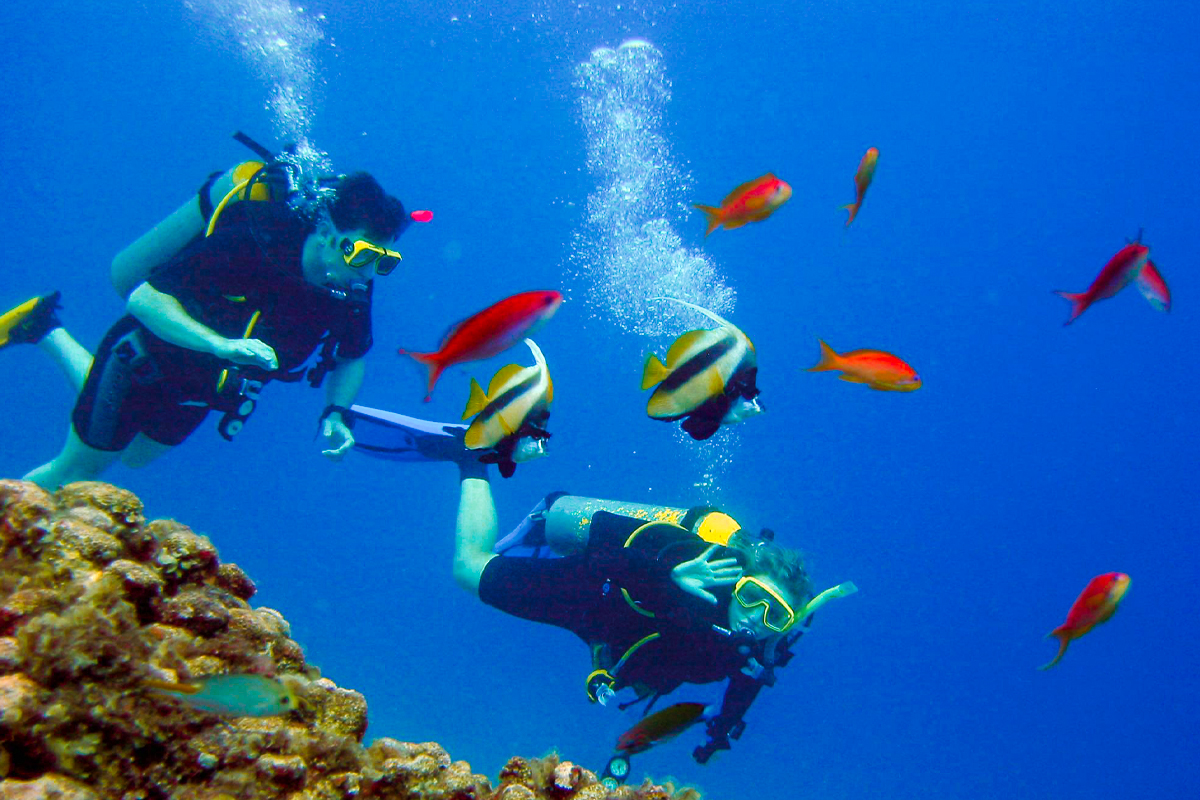
Marsa Alam offers a different Egyptian holiday from Cairo’s historic streets, Luxor’s temples, or the busy waterfront of Hurghada. Here, the main attractions are often underwater: coral gardens, reef fish, sea turtles feeding over seagrass, and occasional encounters with dolphins or dugongs.
But Marsa Alam is not one continuous stretch of sandy beaches. Some resorts have sheltered bays where guests can swim directly from shore. Others face shallow coral platforms that require a jetty to reach deeper water.
That difference matters when choosing a hotel, especially for families, beginners, and travelers who want to spend most of their holiday swimming.
This Marsa Alam Guide in 2027 explains where to stay, what to see, how to reach the best beaches, when to travel, what activities cost, and how to plan a holiday without underestimating distances or marine conditions.
Marsa Alam at a Glance: Essential Travel Information
|
Travel Question |
Essential Information |
|---|---|
|
Country |
Egypt |
|
Region |
Red Sea Governorate |
|
Location |
Southeastern Egypt, on the western coast of the Red Sea |
|
Main airport |
Marsa Alam International Airport (RMF) |
|
Best known for |
Snorkeling, scuba diving, coral reefs, marine wildlife, and beach resorts |
|
Recommended stay |
5–7 nights for most first-time visitors |
|
Best overall seasons |
Spring and autumn |
|
Summer conditions |
Very hot, with warm seawater |
|
Winter conditions |
Mild daytime weather, cooler evenings, and potentially strong winds |
|
Accommodation |
All-inclusive resorts, beach hotels, diving resorts, and selected smaller properties |
|
Transport |
Prearranged hotel transfers, private drivers, organized excursions, and limited local transport |
|
Currency |
Egyptian pound (EGP) |
|
Language |
Arabic; English is commonly used in tourism |
|
Time zone |
Egypt local time, subject to seasonal clock changes |
|
Best suited for |
Couples, divers, snorkelers, nature enthusiasts, and travelers seeking relaxation |
The most important planning tip: Do not book a Marsa Alam hotel based only on photographs or its distance from the airport. Check whether its beach offers sandy swimming access, a coral reef entry, or both.
Where Is Marsa Alam in Egypt?
Marsa Alam is located on Egypt’s southeastern Red Sea coast, south of Hurghada and east of the Nile Valley. It belongs to the Red Sea Governorate and serves as a gateway to some of Egypt’s southern reef systems and coastal protected areas.
The name Marsa Alam can refer to the town itself or the much larger tourism region surrounding it.
This distinction explains why two hotels advertised as being in Marsa Alam can be a considerable driving distance apart.
Is Marsa Alam a City or a Resort Area?
Marsa Alam is a coastal town that has also become the name of a wider tourism destination.
Marsa Alam town contains local businesses, services, markets, and residential areas. It is not comparable to Hurghada’s extensive urban resort districts or Sharm El Sheikh’s entertainment zones.
Many international visitors stay in hotels outside the town, particularly along the coastal highway.
Some resorts are closer to Marsa Alam International Airport and Port Ghalib. Others are farther south, toward Wadi El Gemal and Hamata.
Consequently, the accommodation area usually matters more than proximity to Marsa Alam city centre.
Understanding the Marsa Alam Coastline
Travelers can divide the region into several practical areas:
|
Area |
General Location |
Best For |
|---|---|---|
|
El Quseir |
Northern Red Sea coastal area |
Historical atmosphere and quieter seaside stays |
|
Port Ghalib |
Near Marsa Alam Airport |
Airport convenience, marina dining, and resort facilities |
|
Coraya Bay |
Near the airport area |
Resort holidays and managed snorkeling access |
|
Abu Dabbab |
Farther south along the coast |
Sandy beach access and sea turtle snorkeling |
|
Marsa Alam town |
South of the main airport resort zone |
Local services and a less resort-oriented atmosphere |
|
Wadi El Gemal |
South of Marsa Alam town |
Beaches, nature, mangroves, and desert excursions |
|
Hamata |
Farther south |
Remote diving and longer marine excursions |
These areas are not interchangeable.
A couple seeking a marina, restaurants, and a short airport transfer may prefer Port Ghalib. Travelers prioritizing remote reefs and protected coastal landscapes may prefer a resort farther south.
For wider geographic context, explore the Red Sea region of Egypt, which includes several distinct coastal tourism areas.
How Far Is Marsa Alam From Hurghada, Cairo, and Luxor?
Driving distances depend on whether the destination is Marsa Alam town, the airport, or an individual hotel.
For initial itinerary planning:
-
Hurghada: Allow approximately 3–5 hours by road, depending on the exact starting and finishing points.
-
Luxor: Allow approximately 4–6 hours for a road transfer, with route and stopping arrangements confirmed beforehand.
-
Cairo: A direct road journey generally occupies much of the day. Flying or dividing the journey is often more practical.
-
Marsa Alam Airport to Port Ghalib: Usually a short transfer.
-
Marsa Alam Airport to the town: Commonly around an hour or longer, depending on traffic and the exact destination.
These are planning estimates, not guaranteed transfer times.
Always request the hotel’s full location when calculating journeys.
Is Marsa Alam Worth Visiting in 2027?
Yes, Marsa Alam is worth visiting if your ideal holiday involves marine life, comfortable beach accommodation, snorkeling, diving, and a quieter setting than Egypt’s larger resort cities.
Its appeal lies in the relationship between the desert and the sea.
Away from the main hotel areas, the landscape can change from rocky desert mountains to flat coastal plains, mangroves, sandy coves, and shallow coral environments.
Visitors can spend the morning snorkeling over a reef, the afternoon relaxing beside the water, and the evening in the relative quiet of a beachfront resort.
However, Marsa Alam is not the best choice for everyone.
Reasons to Choose Marsa Alam
Marine wildlife: The region is associated with green sea turtles, reef fish, dolphins, and occasional sightings of dugongs.
Snorkeling opportunities: Several bays and resort house reefs allow visitors to explore marine habitats without traveling far offshore.
Diving variety: Beginners can find supervised learning environments, while experienced divers can explore more demanding reef systems.
Quieter surroundings: Many hotels are separated by stretches of open coastline rather than continuous urban development.
Nature-focused excursions: Wadi El Gemal offers opportunities to appreciate desert landscapes, coastal ecosystems, and regional history.
Relaxed resort holidays: Visitors looking for swimming, reading, snorkeling, and beach time may find the region especially appealing.
Reasons Marsa Alam Might Not Suit Your Holiday
Choose another destination, or select your Marsa Alam hotel particularly carefully, if you want:
-
Busy nightlife and entertainment every evening.
-
Restaurants, shops, and cafés within walking distance of almost any hotel.
-
Short transfers to every major attraction.
-
Extensive independent public transport.
-
Guaranteed sightings of dolphins, turtles, or dugongs.
-
Sandy, shallow water directly outside every resort.
Many visitors are delighted by Marsa Alam precisely because it offers fewer urban distractions.
Others discover too late that their chosen hotel is far from shops, town facilities, or the beach experiences they expected.
What Are the Best Things to Do in Marsa Alam?
The best things to do in Marsa Alam include snorkeling at Abu Dabbab, exploring Marsa Mubarak, diving at Elphinstone Reef, taking marine excursions to Samadai or Sataya, relaxing at Sharm El Luli, visiting Wadi El Gemal National Park, and exploring Port Ghalib or El Quseir.
The right activities depend on swimming ability, hotel location, weather, and the amount of time available.
1. Snorkel With Sea Turtles at Abu Dabbab Bay
Abu Dabbab is one of Marsa Alam’s best-known snorkeling areas.
Its combination of sandy seabed, seagrass habitat, and coral reefs creates an environment where visitors may observe different kinds of marine life within the same bay.
Green sea turtles feed on seagrass, making this habitat particularly important.
Visitors may see turtles swimming through the bay or grazing below the surface. Sightings remain dependent on natural animal behavior and conditions on the day.
The bay is also associated with rare dugong sightings, but travelers should not assume they will encounter one.
Why choose Abu Dabbab?
Unlike many Red Sea coastal locations where shallow coral platforms restrict access, parts of Abu Dabbab offer a more approachable sandy entry.
This makes the bay attractive to confident beginners and families, provided conditions are suitable and appropriate supervision is available.
Visitors should still check:
-
Current entrance arrangements.
-
Whether beach facilities are included.
-
Availability of snorkeling equipment.
-
Weather and water-entry conditions.
-
Any protected areas or swimming restrictions.
-
Whether lifeguards or supervised activities are available.
Recommended time: Half a day, although visitors who enjoy the beach may prefer longer.
Best for: Snorkelers, marine wildlife enthusiasts, and travelers looking for a combination of swimming and beach relaxation.
Important: Never chase, touch, feed, or obstruct turtles. Avoid standing on seagrass beds or coral.
2. Explore the Marine Life of Marsa Mubarak
Marsa Mubarak is another well-known bay in the Port Ghalib area.
It attracts visitors interested in snorkeling, coral habitats, sea turtles, and the possibility of observing dugongs.
The area’s seagrass beds are especially relevant because dugongs feed on marine vegetation.
However, dugongs are uncommon, wide-ranging wild mammals. Even a professionally organized excursion cannot guarantee a sighting.
Marsa Mubarak experiences can vary considerably.
Some excursions use boats departing from nearby marina facilities. The trip may combine snorkeling, relaxation, and visits to more than one marine location.
Before booking, ask the operator whether the excursion is suitable for inexperienced swimmers and whether a guide remains in the water with the group.
Recommended time: Half-day or full-day excursion, depending on the itinerary.
Best for: Visitors who enjoy guided snorkeling and want to observe marine wildlife responsibly.
3. Discover Elphinstone Reef on a Diving Excursion
Elphinstone Reef is one of the most recognized diving sites near Marsa Alam.
It is famous for dramatic underwater topography, deep reef walls, and the possibility of encountering larger marine animals.
For experienced divers, the appeal is not only wildlife. The reef environment itself can be impressive, with steep descents, changing currents, and complex underwater conditions.
However, Elphinstone should not be treated as a casual beginner snorkeling destination.
Conditions can involve current, deeper water, and demanding boat procedures.
Dive operators may impose experience, certification, or recent-dive requirements based on the conditions and planned route.
Recommended time: Usually part of a dedicated dive outing.
Best for: Appropriately qualified and experienced scuba divers.
Before booking: Discuss certification, recent diving experience, current conditions, emergency procedures, and insurance coverage with the dive center.
Travelers who are new to diving should begin with controlled instruction and more suitable sites rather than choosing a famous reef because it appears on an attractions list.
For a broader introduction, explore scuba diving in Egypt and the different environments available along the Red Sea.
4. Visit Samadai Reef, Also Known as Dolphin House
Samadai Reef is associated with spinner dolphins and is one of the region’s best-known marine wildlife locations.
Spinner dolphins use certain sheltered reef environments for resting and social behavior.
Visitors should understand that these areas are wildlife habitats, not marine entertainment facilities.
Any excursion must respect applicable protected-area regulations, which may control boat movements, snorkeling locations, visitor numbers, or activity times.
The opportunity to observe dolphins in their natural environment is a major attraction, but sightings and permitted interactions can change.
Recommended time: Generally a boat excursion lasting several hours.
Best for: Wildlife enthusiasts, guided snorkelers, and travelers interested in marine conservation.
Responsible travel tip: Choose an operator that follows marine protection rules and does not pursue or surround dolphins.
5. Take a Full-Day Excursion to Sataya Reef
Sataya Reef is another location associated with spinner dolphins, farther south along the Red Sea coast.
It is often included in excursions departing through the Hamata area.
Unlike a short boat ride near Port Ghalib, reaching Sataya can involve a lengthy road transfer followed by a substantial boat journey.
Depending on the hotel and excursion arrangements, the trip can occupy most of the day.
Travelers considering Sataya should ask four questions:
-
How long is the road transfer from my hotel?
-
How long will the boat journey take?
-
What happens if conditions are unsuitable?
-
How does the operator protect dolphins and manage snorkeling groups?
A Sataya excursion may be rewarding for confident swimmers who enjoy extended marine trips.
It is less appropriate for travelers who dislike long boat journeys, have significant seasickness concerns, or want a relaxed half-day outing.
Dolphins are wild animals, so no ethical operator should promise an encounter.
6. Relax at Sharm El Luli Beach
Sharm El Luli, also known as Hankorab Beach, is one of the most attractive coastal locations in the southern Marsa Alam region.
Its appeal comes from pale sand, clear shallow-looking water, and a relatively undeveloped natural setting.
The contrast between the light-colored coastline and the surrounding desert makes it particularly memorable.
Sharm El Luli lies within the wider Wadi El Gemal protected-area environment, so access arrangements and conservation rules deserve attention.
Visitors should not assume the beach offers the same services as a hotel beach.
Facilities, shade, food availability, snorkeling conditions, and permitted activities should be checked before departure.
Bring appropriate sun protection and drinking water, and avoid leaving any waste.
Recommended time: Several hours, often combined with another nearby nature stop.
Best for: Beach lovers, photographers, couples, and travelers seeking coastal scenery.
Discover more coastal possibilities in our guide to the beaches in Egypt.
7. Explore Wadi El Gemal National Park
Wadi El Gemal is one of the defining natural attractions of southern Marsa Alam.
The protected area includes desert landscapes, coastal habitats, marine environments, mountains, and ecological sites.
Its importance extends beyond the beaches.
The wider region contains natural and cultural features connected with the Eastern Desert, historic travel routes, mining activity, and communities adapted to dry environments.
Visitors may encounter desert scenery, unusual geological formations, coastal vegetation, and birdlife, depending on the route.
Some excursions include opportunities to learn about local traditions and the relationship between coastal communities and the surrounding landscape.
What can visitors do in Wadi El Gemal?
-
Explore permitted desert routes with experienced local guides.
-
Visit approved coastal viewpoints and beaches.
-
Observe birdlife and natural habitats.
-
Learn about regional history and traditional desert life.
-
Combine a nature excursion with a snorkeling or beach stop where allowed.
Protected-area regulations may apply to vehicles, guides, camping, and particular locations.
Overnight camping can require special permission.
Recommended time: Half-day to full-day, depending on the route.
Best for: Nature enthusiasts, photographers, travelers seeking a break from resort activities, and visitors interested in desert landscapes.
Travelers who enjoy these experiences can also explore other outdoor activities in Egypt.
8. Visit Qulaan and Its Mangrove Landscape
Qulaan is associated with the coastal mangrove environments of the southern Red Sea region.
Mangroves are important because they support coastal ecosystems and provide shelter for different marine organisms and birds.
Their roots help create habitats that differ from open sandy beaches and coral reef systems.
The scenery can be striking, particularly where shallow blue-green water meets sparse coastal vegetation and surrounding desert.
A visit to Qulaan is best approached as a nature experience rather than a conventional resort beach outing.
Visitors should stay on permitted routes, respect conservation guidance, and avoid damaging vegetation.
Recommended time: Often combined with a wider southern coast excursion.
Best for: Nature photography, birdwatching, and travelers interested in coastal ecology.
9. Spend an Evening at Port Ghalib Marina
Port Ghalib offers a different atmosphere from the more remote sections of the Marsa Alam coastline.
It is a developed marina and resort area with accommodation, restaurants, shops, waterfront facilities, and marine excursion services.
For visitors staying at isolated beachfront hotels, an evening at Port Ghalib can provide a welcome change of scenery.
The waterfront is suitable for a relaxed walk, a meal, or some souvenir shopping.
Availability and opening hours vary by establishment and season.
Port Ghalib is particularly convenient for travelers staying close to the airport.
However, visitors staying much farther south should consider the travel time before planning a casual evening trip.
Recommended time: Two to four hours for an evening visit.
Best for: Couples, families, marina dining, and visitors seeking entertainment outside their hotel.
10. Discover the Historic Port Town of El Quseir
El Quseir, also written Al-Qusayr, is a historic Red Sea coastal town north of Marsa Alam.
Its identity is different from the modern resort developments farther south.
The town’s history reflects connections between the Red Sea, inland trade routes, pilgrimage journeys, and maritime activity.
Visitors may explore its historic streets, traditional buildings, markets, and Ottoman-era fortress, subject to current access arrangements.
El Quseir can be particularly interesting for travelers who want to experience a town with a longer history beyond modern tourism.
It is also an opportunity to observe everyday life, visit local shops, and explore a different side of the Egyptian coastline.
Recommended time: Half-day or full-day, depending on the hotel location.
Best for: Cultural sightseeing, architecture, markets, and travelers interested in local history.
11. Experience a Desert Excursion
The landscape west of Marsa Alam offers a dramatic contrast to the Red Sea.
Desert excursions may involve scenic drives, organized cultural visits, sunset viewpoints, or guided exploration of permitted routes.
Activities vary considerably between operators.
Some are short entertainment-focused excursions near resorts, while others emphasize landscape, cultural interpretation, or nature.
Ask whether the experience includes:
-
Licensed or appropriately authorized guides.
-
Suitable transportation.
-
Drinking water.
-
Clearly explained activities.
-
Appropriate safety equipment.
-
Respectful interaction with local communities.
-
Required route permissions.
High temperatures make midday outdoor activity more demanding during summer.
A morning or late-afternoon excursion may be more comfortable, depending on weather and operator arrangements.
12. Explore Marsa Alam Town
Marsa Alam town offers a more everyday Egyptian atmosphere than the purpose-built resort areas.
Travelers may find local shops, cafés, restaurants, and services.
However, it is a relatively modest coastal town, not a major urban sightseeing destination.
A visit can be worthwhile for travelers who are curious about local life or need particular services.
It is less essential for visitors whose main interests are snorkeling, diving, or beach relaxation.
Before traveling from a distant resort, check what is actually available and whether it justifies the transfer.
What Are the Beaches Like in Marsa Alam?
Marsa Alam beaches range from sandy, sheltered bays to rocky or coral-fringed resort coastlines. Some are suitable for gentle swimming, while others offer access to deeper reef water through jetties or designated entry points.
This variation is one of the most important things to understand before booking a holiday.
A hotel advertising an excellent house reef may be ideal for an experienced snorkeler but less convenient for someone who wants to walk barefoot into shallow sandy water.
Sandy Beaches vs Coral Reef Beaches
Sandy beaches generally offer easier walking access and more conventional beach activities, although currents and other hazards still need to be assessed.
Reef-front beaches may provide impressive marine life but have limited shallow swimming access.
Hotels often protect reefs by requiring guests to use a jetty or pontoon that extends beyond the coral platform.
This approach can reduce direct damage to coral, but it changes the swimming experience.
Children, nervous swimmers, and anyone with mobility limitations should confirm how deep the water is at the entry point and whether lifeguards or accessible facilities are available.
Which Marsa Alam Beach Is Best for You?
|
Beach or Coastal Area |
Main Appeal |
Best Suited For |
Important Consideration |
|---|---|---|---|
|
Abu Dabbab |
Sandy bay, turtles, snorkeling |
Families and wildlife enthusiasts |
Wildlife is not guaranteed; access arrangements may vary |
|
Sharm El Luli |
Natural scenery and clear water |
Beach relaxation and photography |
Facilities may be limited |
|
Marsa Mubarak |
Marine wildlife and snorkeling |
Guided snorkeling excursions |
Commonly experienced by boat |
|
Coraya Bay |
Managed resort environment |
Resort guests and snorkelers |
Access depends on the property or excursion |
|
Port Ghalib area |
Resort facilities and marine excursions |
Visitors who value convenience |
Not every waterfront area is a swimming beach |
|
Southern Wadi El Gemal coast |
Less-developed coastal landscapes |
Nature-oriented travelers |
Longer transfers and protected-area rules |
Are Marsa Alam Beaches Good for Children?
They can be, but the specific hotel matters much more than the destination name.
A family-friendly beach should offer safe access, suitable water depth, supervision, shade, and reliable facilities.
A beautiful reef accessed by a long jetty may not be ideal for young children who want to paddle.
Parents should ask the hotel directly whether there is a sandy swimming section and whether the main beach remains usable during windy conditions.
For families planning a broader trip, our guide to Egypt with kids covers additional considerations for traveling with children.
Is Marsa Alam Good for Snorkeling and Scuba Diving?
Marsa Alam is one of Egypt’s most established destinations for snorkeling and scuba diving, particularly for visitors interested in coral reefs and marine habitats.
However, snorkeling and diving do not require the same skills, equipment, or planning.
The best experience is not necessarily the most famous reef. It is the location that suits your ability and the conditions on the day.
Best Snorkeling Experiences for Beginners
Beginners should look for sheltered bays, suitable entry points, and professional supervision.
A calm sandy bay with a clearly defined snorkeling area is generally more appropriate than an exposed reef with current or deep entry.
Before entering the water:
-
Check local sea conditions.
-
Identify the correct entry and exit points.
-
Use suitable snorkeling equipment.
-
Stay within your swimming ability.
-
Do not snorkel alone.
-
Follow lifeguard and guide instructions.
-
Avoid touching coral or marine animals.
Some resorts offer snorkeling instruction and guided house-reef sessions.
These can be valuable for travelers who feel confident in a swimming pool but have limited open-water experience.
Our snorkeling in Egypt guide provides additional advice for planning Red Sea snorkeling experiences.
What Is a House Reef?
A house reef is a coral reef accessible from, or closely associated with, a hotel or dive resort.
In Marsa Alam, access may be from a beach, jetty, or designated waterfront point.
A good house reef can be a significant advantage because guests do not need to join a boat excursion every time they want to observe marine life.
But not all house reefs are equally accessible.
A hotel may have excellent coral coverage while offering limited opportunities to enter the sea in windy conditions.
Ask the following questions before booking:
-
Can guests snorkel directly from the beach?
-
Is there a jetty, and does it lead into deep water?
-
How often is swimming restricted by wind or waves?
-
Are there designated sheltered areas?
-
Is snorkeling equipment available?
-
Are guides, lifeguards, and safety procedures provided?
-
Is there a suitable alternative when the open reef is closed?
These questions are often more useful than asking whether a hotel has a beautiful reef.
Can You See Sea Turtles in Marsa Alam?
Yes. Green sea turtles are associated with several coastal habitats around Marsa Alam, particularly bays containing seagrass.
Sea turtles breathe air, so they may occasionally surface while feeding or moving between areas.
However, a turtle encounter is not guaranteed at any specific location.
The safest and most responsible approach is to remain calm, observe from a respectful distance, and allow the animal to move naturally.
Do not block its path to the surface.
Avoid crowding animals with cameras or attempting to touch them.
Are Dugongs Common in Marsa Alam?
No. Dugongs are rare marine mammals, and sightings should be treated as an exceptional possibility rather than a standard feature of a snorkeling trip.
Dugongs feed primarily on seagrass, which is why they are associated with certain Red Sea bays.
A destination’s reputation for dugong sightings does not mean an animal is present every day.
Travelers should be cautious of excursions that advertise guaranteed encounters.
Responsible tourism prioritizes the animal’s welfare rather than close contact.
Are There Sharks in Marsa Alam?
Sharks occur naturally in Red Sea marine ecosystems, including certain offshore reef environments accessible from Marsa Alam.
Species and sighting opportunities vary by location, season, depth, and environmental conditions.
The presence of sharks does not mean they are commonly encountered on ordinary hotel beaches.
Nevertheless, visitors should treat marine safety seriously.
Follow official beach closures, avoid swimming in restricted areas, and obey directions from lifeguards and qualified marine guides.
Advanced diving sites require additional experience and planning.
Is Marsa Alam Better for Diving or Snorkeling?
It can be excellent for both, but the answer depends on the traveler.
Choose snorkeling if you want to observe reef fish and shallow marine habitats without scuba certification.
Choose scuba diving if you want longer underwater exploration, greater depth, and access to environments that cannot be experienced adequately from the surface.
For first-time visitors, a combination often works well: snorkeling from a suitable hotel beach and one or two professionally organized marine excursions.
How to Protect the Red Sea During Your Visit
Marsa Alam’s marine environment is central to its appeal and needs careful protection.
Visitors can reduce their impact by following simple practices:
-
Never stand on, kick, or touch living coral.
-
Maintain good control of fins and equipment.
-
Do not collect shells, coral, or marine organisms where prohibited.
-
Never feed fish, turtles, dolphins, or other wildlife.
-
Use marked entry points.
-
Keep a safe distance from animals.
-
Avoid single-use plastic where practical.
-
Dispose of litter properly.
-
Respect protected-area restrictions.
Marine conservation is not separate from the holiday experience. It helps preserve the very habitats visitors travel to see.
Where Should You Stay in Marsa Alam?
The best place to stay in Marsa Alam depends on whether you prioritize snorkeling, airport convenience, family-friendly beaches, quiet surroundings, or access to southern nature excursions.
Choosing the accommodation area is often more important than choosing a particular hotel star rating.
A luxury resort with a beautiful reef might be disappointing for someone who wants shallow sandy swimming. A remote eco-oriented property may be ideal for an experienced diver but inconvenient for travelers expecting restaurants and shopping nearby.
Port Ghalib: Best for Airport Convenience and Marina Facilities
Port Ghalib is a practical base for visitors who want comfortable resort accommodation without being far from Marsa Alam International Airport.
The marina provides opportunities for dining, shopping, walking, and arranging marine excursions.
It is particularly appealing to travelers who like the convenience of a developed resort environment.
Best for: Couples, short holidays, marina access, and travelers seeking convenient airport transfers.
Consider before booking: Hotel beach facilities vary, and the marina itself should not be confused with a conventional swimming beach.
Coraya Bay: Best for Organized Resort Holidays
Coraya Bay is associated with established beachfront resorts, snorkeling facilities, and managed marine activities.
It may suit visitors who want to spend much of their holiday inside a resort, alternating between swimming, snorkeling, pools, and restaurants.
As elsewhere in Marsa Alam, the beach-entry arrangement should be checked individually.
Best for: Resort-focused families, couples, and travelers interested in conveniently organized snorkeling.
Consider before booking: Whether guests can enter the water directly from sand or need to use a jetty.
Abu Dabbab Area: Best for Beach Swimming and Turtles
The Abu Dabbab area is appealing to travelers whose main interest is the combination of beach time and marine wildlife.
Access to a sandy bay can be a meaningful advantage for some visitors.
However, not every property using the Abu Dabbab name has identical access to the main beach.
Check the exact hotel location and whether any additional transfers or admission arrangements are involved.
Best for: Snorkelers, beach lovers, families, and wildlife-focused visitors.
Consider before booking: The walking distance to the actual sandy swimming area.
Marsa Alam Town Area: Best for a More Local Atmosphere
Accommodation near Marsa Alam town may appeal to independent travelers who want access to local services and a setting less focused on large resort complexes.
However, the town is not a replacement for a purpose-built resort district.
Visitors should confirm transport availability, accommodation facilities, dining arrangements, and access to beaches or diving centers.
Best for: Independent travelers and visitors who prefer a simpler coastal base.
Consider before booking: The level of hotel services and the convenience of daily excursions.
Southern Marsa Alam and Wadi Lahmy: Best for Remote Diving and Nature
The southern coastline offers access to less-developed coastal environments and marine excursions in the wider Hamata region.
Some properties cater strongly to diving and nature-oriented holidays.
These locations can provide a quiet experience, but transfers may be lengthy.
Visitors should consider whether they genuinely want a remote stay or simply like the appearance of an isolated beach.
Best for: Dedicated divers, nature enthusiasts, and experienced independent travelers.
Consider before booking: Transport, medical access, hotel facilities, and the distance from the airport.
How to Choose the Right Marsa Alam Hotel
|
Your Priority |
What to Look For |
|---|---|
|
Swimming every day |
Sheltered sandy beach with a suitable entry |
|
Snorkeling |
Accessible house reef and guided options |
|
Young children |
Shallow swimming areas, supervision, and family facilities |
|
Diving |
Established dive center and suitable excursions |
|
Short airport transfer |
Accommodation around Port Ghalib or nearby northern resort areas |
|
Restaurants outside the hotel |
A location with convenient access to Port Ghalib |
|
Peace and quiet |
More isolated beachfront accommodation |
|
Nature excursions |
Suitable access to southern coastal attractions |
|
Mobility considerations |
Accessible rooms, transport, beach facilities, and water-entry arrangements |
Hotel-booking advice: Ask for recent, unedited photographs of the actual beach-entry point, not only the resort’s main promotional beach image.
Also confirm whether the advertised house reef can be used throughout the day or only when marine conditions permit.
When Is the Best Time to Visit Marsa Alam in 2027?
The best time to visit Marsa Alam is generally from March to May and September to November. These periods offer a useful balance of comfortable outdoor temperatures and opportunities for beach activities, snorkeling, and excursions.
Marsa Alam has a hot desert climate with limited rainfall.
Summer can be extremely hot, while winter is usually milder but may feel cool during windy evenings or after leaving the water.
Sea conditions, particularly wind and waves, can affect snorkeling and boat excursions at any time of year.
Marsa Alam Weather by Season
|
Season |
Typical Conditions |
Best Activities |
Main Consideration |
|---|---|---|---|
|
December–February |
Mild days, cooler nights, sometimes windy |
Relaxation, diving with suitable equipment, sightseeing |
Exposed reefs may be less comfortable |
|
March–May |
Warmer spring weather |
Snorkeling, beaches, nature excursions |
Wind and sea conditions remain variable |
|
June–August |
Very hot days, warm seawater |
Swimming, diving, early-morning excursions |
Heat and sun exposure |
|
September–November |
Warm conditions, gradually cooling later in autumn |
Swimming, snorkeling, diving, beach holidays |
Seasonal demand and variable marine conditions |
These descriptions are seasonal planning guidance, not forecasts for individual dates in 2027.
For a wider perspective, consult Egypt’s weather by month when coordinating coastal travel with Cairo, Luxor, or Aswan.
Is Marsa Alam Hot in Summer?
Yes. Marsa Alam experiences hot summer weather, particularly during June, July, and August.
The sea can offer relief, but beach temperatures, strong sunshine, and exposed excursions may be uncomfortable during the middle of the day.
Visitors should plan outdoor activities carefully, drink sufficient water, and avoid unnecessary heat exposure.
Hotels with shaded facilities, air conditioning, and accessible swimming areas are particularly useful.
Summer may appeal to travelers who enjoy warm seawater and can manage high temperatures.
However, it is not the ideal season for everyone, especially those planning lengthy desert excursions.
Is Marsa Alam Warm in Winter?
Marsa Alam generally experiences mild daytime conditions during winter, making it attractive to visitors seeking sunshine away from colder climates.
However, winter does not guarantee warm swimming conditions throughout the day.
Wind can make the beach feel cooler, especially after snorkeling.
The water is also cooler than in late summer or early autumn.
Travelers planning winter diving or extended snorkeling should ask whether suitable wetsuits are available.
Is March or October Better for Marsa Alam?
Both months can be good choices, but they offer somewhat different experiences.
March provides spring weather after the cooler winter months. The sea may still feel relatively cool, particularly during longer snorkeling sessions.
October usually benefits from seawater that has retained warmth from summer, making it attractive for swimming and marine activities.
Visitors who prioritize warm water may prefer October. Those who prefer spring travel and moderately warm weather may choose March.
The guide to Egypt in October provides additional planning context for visitors combining Marsa Alam with other Egyptian regions.
Is Marsa Alam Warmer Than Hurghada?
Marsa Alam lies farther south than Hurghada and can experience warmer conditions at certain times.
However, the difference is not constant.
Daily temperatures, wind, humidity, cloud cover, and individual hotel locations all affect the experience.
A more southerly location does not guarantee calm seas or warmer-feeling beach conditions.
For snorkeling holidays, water access and wind exposure are often more important than a small difference in air temperature.
How Do You Get to Marsa Alam?
The most convenient way to reach Marsa Alam is usually through Marsa Alam International Airport when suitable flights are available.
Travelers can also arrive through Hurghada or travel from other Egyptian cities by road.
The right option depends on the departure country, flight availability, hotel location, and whether Marsa Alam forms part of a longer Egypt itinerary.
Flying to Marsa Alam International Airport
Marsa Alam International Airport uses the airport code RMF.
It serves the southern Red Sea tourism region, including Port Ghalib and numerous coastal resorts.
International flight availability can vary significantly by season, departure airport, airline, and charter arrangements.
Travelers from European countries may find direct or seasonal services.
Visitors from the United States, Canada, Australia, and other long-haul markets may need a connecting itinerary.
When comparing flights, check:
-
Total journey duration.
-
Connection requirements.
-
Checked baggage allowances.
-
Arrival time.
-
Hotel transfer duration.
-
Whether the airline operates the route on the required date.
-
Whether separate tickets create connection risks.
A seemingly inexpensive flight may become less attractive if it requires an overnight connection or a long road transfer.
For more planning information, see our overview of airports in Egypt.
Traveling From Hurghada to Marsa Alam
Hurghada is a potential alternative arrival airport for travelers unable to find suitable flights into Marsa Alam.
The road journey follows Egypt’s Red Sea coast.
However, the distance to the hotel matters considerably.
Hotels in northern areas may be reached sooner than those near Marsa Alam town or farther south.
A transfer can take several hours, making it important to account for flight arrival times.
A long transfer after an overnight international journey may not be ideal for families or visitors with limited time.
Request a written transfer quotation that identifies the destination hotel and confirms the total price.
Traveling From Cairo to Marsa Alam
Travelers combining Cairo with Marsa Alam should compare available flight connections with private road transportation.
A long road journey can be tiring, particularly if added immediately after sightseeing or an international arrival.
Flights may be more comfortable when a workable schedule is available, although direct domestic connections should never be assumed.
The best arrangement depends on the itinerary and currently operating services.
For a multi-stop Egypt holiday, it may be more efficient to visit Cairo first, continue to Upper Egypt, and finish with a Red Sea stay.
Can You Travel From Luxor to Marsa Alam?
Yes. Luxor and Marsa Alam can be combined using an overland transfer.
This is particularly attractive for visitors who want to experience both ancient Egyptian monuments and the Red Sea.
The journey requires careful planning because Marsa Alam resorts are spread along a long coastline.
A direct private transfer is generally more convenient than trying to organize several local transport connections.
Travelers should also confirm the permitted route and whether transport arrangements need to be made in advance.
Do You Need a Visa for Marsa Alam?
International visitors should confirm Egypt’s entry requirements according to nationality, passport type, travel purpose, and intended duration.
Depending on nationality, an Egyptian tourist visa may be available electronically, on arrival, or through an Egyptian diplomatic mission.
Eligibility and fees can change.
Travelers should also avoid assuming that entry arrangements applying to certain South Sinai resort stays automatically apply to Marsa Alam.
For general planning, consult our guide to entry requirements for Egypt.
Before traveling in 2027, verify your specific requirements with the appropriate Egyptian authorities.
How Do You Get Around in Marsa Alam?
The most practical way to get around Marsa Alam is usually through hotel transportation, prebooked private transfers, or organized excursions.
Unlike a compact walkable resort city, the Marsa Alam tourism region stretches along the coast.
This makes daily transport a significant planning consideration.
Private Transfers
Private transfers are particularly useful for airport arrivals, hotel changes, beach visits, and excursions that are not included in resort packages.
They offer greater flexibility than shared transfers, especially for families or travelers carrying diving equipment.
Confirm the fare, vehicle type, number of passengers, luggage capacity, waiting policy, and destination before paying.
Hotel Shuttles
Some hotels organize transport to nearby destinations, beaches, or marina areas.
These services may be scheduled, available on request, or offered at an additional cost.
Do not assume that every resort provides regular transport to Marsa Alam town or Port Ghalib.
Taxis and Local Transport
Taxi availability is not as extensive or predictable as in major Egyptian cities.
Some local transport options exist, but they may not be convenient for international travelers with luggage or fixed sightseeing plans.
Ride-hailing availability should not be assumed at remote hotels.
For visitors without a vehicle, arranging transportation in advance reduces uncertainty.
Is Renting a Car Worthwhile?
A rental car may appeal to experienced independent travelers who want greater control over their schedule.
However, road conditions, long distances, checkpoints, insurance requirements, and remote services require attention.
A self-drive trip is not automatically better value than using a professional driver.
If the holiday mainly involves staying at a resort and taking organized excursions, renting a car may offer little additional benefit.
For practical preparation, explore our Egypt travel tips.
How Much Does a Marsa Alam Holiday Cost in 2027?
The cost of a Marsa Alam holiday depends primarily on international flights, accommodation standard, travel season, airport transfers, and the number of marine excursions.
A resort package may appear economical because meals and facilities are included, but excursions, diving, private transport, and certain premium services may cost extra.
Reliable 2027 prices cannot be established from past rates alone.
Rather than relying on a fixed destination-wide estimate, travelers should compare complete holiday quotations.
Main Cost Categories
|
Expense |
What Affects the Cost |
Budgeting Advice |
|---|---|---|
|
International flights |
Departure country, season, connections, baggage |
Compare total travel cost, not only the advertised fare |
|
Accommodation |
Hotel category, location, board basis, room type |
Check whether taxes and transfers are included |
|
Airport transfers |
Distance, vehicle size, private or shared service |
Request a fixed total price |
|
Meals and drinks |
All-inclusive, half-board, or room-only accommodation |
Check included restaurants and beverages |
|
Snorkeling excursions |
Distance, boat type, group size, equipment |
Confirm marine fees and equipment charges |
|
Scuba diving |
Number of dives, certification, equipment rental |
Ask about insurance and any supplementary charges |
|
Beach access |
Managed beaches, protected areas, facilities |
Verify current admission arrangements |
|
Desert excursions |
Duration, vehicles, guide, permits |
Compare complete itineraries |
|
Personal expenses |
Shopping, gratuities, laundry, spa services |
Allow a separate discretionary budget |
Budget Travelers: What Should You Prioritize?
For a more economical holiday, prioritize a hotel with good beach access and sufficient activities on-site.
This may reduce the need for additional transport and excursions.
Compare package inclusions carefully.
A less expensive room-only rate may not offer the best overall value if meals, airport transfers, and daily activities are purchased separately.
Travelers should also consider the season and flight route.
Mid-Range Travelers: Where Is Extra Spending Worthwhile?
For many travelers, spending more on the right location is more valuable than upgrading to a larger room.
Useful priorities include:
-
Comfortable beach access.
-
Reliable transport.
-
Good dining arrangements.
-
Appropriate snorkeling facilities.
-
A well-managed hotel.
-
A small number of carefully selected excursions.
A property with a suitable beach and good house reef can provide substantial value over several days.
Luxury Travelers: What Matters Most?
Luxury in Marsa Alam is not only about hotel facilities.
Travelers may also value privacy, service standards, convenient marine activities, spacious accommodation, and carefully arranged transportation.
For a premium stay, consider whether the hotel genuinely matches your preferred holiday style.
A remote five-star resort can offer exceptional quiet, but it may not provide the variety of restaurants or urban entertainment expected from luxury properties in major cities.
A Practical Marsa Alam Budgeting Method
Calculate the holiday in this order:
-
International flights.
-
Accommodation for the full stay.
-
Airport transfers.
-
Meals and beverages not included.
-
Planned snorkeling or diving activities.
-
Nature or cultural excursions.
-
Marine park fees and other applicable charges.
-
Insurance and personal spending.
-
A contingency allowance.
Keep the total in one currency when comparing offers.
This approach helps prevent a low headline price from hiding a more expensive overall trip.
What Is the Food Like in Marsa Alam?
Food options in Marsa Alam depend largely on where visitors stay.
Many beachfront resorts provide buffet restaurants, international dishes, and selected Egyptian specialties.
Some hotels have specialty dining venues, while smaller properties may offer more limited menus.
Travelers seeking independent restaurants will generally find more choice around developed areas such as Port Ghalib than at isolated coastal resorts.
What Egyptian Food Should You Try?
Depending on availability, visitors may encounter dishes such as:
-
Koshari: A mixture of rice, pasta, lentils, chickpeas, and tomato sauce.
-
Ful medames: Seasoned fava beans, commonly eaten at breakfast.
-
Taameya: Egyptian-style falafel traditionally made with fava beans.
-
Molokhia: A green leafy dish served with bread or rice.
-
Grilled fish: Available in coastal areas, with species and preparation varying.
-
Rice pudding and traditional desserts: Common options in Egyptian dining.
For a deeper introduction, explore traditional Egyptian food.
Visitors with food allergies should communicate requirements directly with their hotel and restaurant staff.
Is Seafood Popular in Marsa Alam?
Seafood forms part of coastal Egyptian cuisine, although quality, selection, and availability vary by establishment.
Freshness and food handling are more important than restaurant marketing claims.
Choose reputable establishments and check current reviews or hotel recommendations.
Visitors should also support responsible seafood practices and avoid purchasing protected marine species.
Where Can You Shop in Marsa Alam?
Shopping in Marsa Alam is relatively limited compared with Cairo, Hurghada, or Sharm El Sheikh.
Most international visitors encounter souvenir shops within resorts, small commercial areas, local stores, and marina shops.
Port Ghalib is one of the more convenient places for travelers seeking a combination of shopping and dining.
Marsa Alam town offers a more local commercial environment.
What Can You Buy in Marsa Alam?
Common shopping options may include:
-
Egyptian cotton products.
-
Scarves and clothing.
-
Small handcrafted souvenirs.
-
Decorative items.
-
Spices and packaged foods.
-
Locally inspired gifts.
-
Beach accessories and snorkeling supplies.
For travelers interested in regional souvenirs, our guide to Egyptian souvenirs offers additional ideas.
Avoid buying coral, protected shells, or wildlife products.
Such purchases can damage marine ecosystems and may create problems with customs regulations.
Does Marsa Alam Have a Traditional Market?
Marsa Alam town contains local shopping areas, but visitors should not expect a market district comparable to Cairo’s large historic bazaars.
Travelers interested in a more traditional Red Sea town atmosphere may consider an excursion to El Quseir.
For basic holiday shopping, resort facilities and Port Ghalib may be sufficient.
What Is the Nightlife Like in Marsa Alam?
Marsa Alam nightlife is generally relaxed and hotel-centered.
Many resorts organize evening entertainment, music, or performances.
Some offer beach bars, lounges, and themed dining events.
The atmosphere is usually quieter than the nightlife found in larger Red Sea resort cities.
Where Should You Go in the Evening?
Port Ghalib is a convenient option for marina dining and a waterfront walk, particularly for travelers staying nearby.
At more isolated resorts, entertainment may largely take place inside the hotel.
Travelers seeking busy clubs, extensive late-night venues, and frequent opportunities to visit different restaurants may prefer another resort region.
Who will enjoy Marsa Alam evenings? Couples, families, divers, and travelers who prefer a relaxed meal after a day on the water.
Is Marsa Alam Safe for Tourists in 2027?
Marsa Alam is an established Egyptian tourism destination, but travelers should assess safety using current official travel advice, reputable transport providers, appropriate insurance, and sensible precautions.
No destination can be described as completely risk-free.
For a Red Sea holiday, particular attention should be given to marine activities, boat safety, weather conditions, heat, and the distance from medical facilities.
Travel advisories and operating conditions can change before or during 2027.
Marine and Boat Safety
The Red Sea offers excellent marine experiences, but boat and diving safety standards can vary between operators.
Before booking a snorkeling or diving excursion, check:
-
The operator’s licensing and professional credentials.
-
The condition of the boat.
-
Availability of properly fitted life jackets.
-
Emergency procedures and safety briefings.
-
The crew’s relevant qualifications.
-
Weather cancellation arrangements.
-
Insurance coverage.
-
Equipment maintenance.
-
Whether the activity suits your ability.
Avoid operators who pressure inexperienced participants into unsuitable activities.
Never ignore instructions from qualified marine guides or official authorities.
Medical Care and Travel Insurance
Medical access varies according to location.
Visitors staying in remote southern resorts should understand the distance to appropriate medical facilities.
This is particularly important for scuba diving, serious allergies, mobility limitations, or existing medical conditions.
Travel insurance should cover your intended activities, including diving where applicable.
Some policies exclude certain sports, depths, or emergency evacuation expenses.
Is Marsa Alam Suitable for Solo Travelers?
Marsa Alam can suit solo travelers who enjoy diving, snorkeling, nature, or quiet beach holidays.
However, remote resort locations can make independent social activities and transportation less convenient.
A property with organized excursions, an established dive center, and reliable airport transfers may be preferable.
Solo travelers should share relevant excursion details with a trusted contact and avoid swimming or exploring remote areas alone.
For broader destination guidance, consult our article on Egypt safety and travel guidance.
Marsa Alam vs Hurghada vs Sharm El Sheikh: Which Is Better?
Marsa Alam is generally better suited to visitors seeking a quieter, nature-focused Red Sea holiday.
Hurghada offers a more extensive urban resort environment, while Sharm El Sheikh combines established tourism infrastructure with renowned Sinai diving and snorkeling areas.
None is universally better.
The most suitable destination depends on the activities travelers value most.
|
Travel Priority |
Marsa Alam |
Hurghada |
Sharm El Sheikh |
|---|---|---|---|
|
General atmosphere |
Quiet and spread out |
Larger, busier resort city |
Developed resort areas |
|
Snorkeling |
Strong shore-reef and bay options |
Resort and boat snorkeling |
Reef and boat snorkeling |
|
Scuba diving |
Well-known southern reef systems |
Broad diving infrastructure |
Famous reefs and diverse dive sites |
|
Shopping |
More limited |
Wider variety |
Wider variety |
|
Nightlife |
Mostly hotel-based |
More extensive |
More extensive |
|
Family facilities |
Property-dependent |
Broad hotel choice |
Broad hotel choice |
|
Marine wildlife interest |
Turtles, dolphins, occasional dugongs |
Reef fish, dolphins, other marine life |
Reef fish and varied marine life |
|
Independent movement |
More difficult without arranged transport |
Generally more convenient |
More convenient in main resort areas |
|
Best overall style |
Relaxation and nature |
Variety and convenience |
Resorts and marine activities |
Choose Marsa Alam If…
You value quiet surroundings, snorkeling, marine wildlife, diving, and a resort-centered holiday.
You are comfortable arranging excursions and transportation in advance.
Choose Hurghada If…
You want a larger choice of hotels, restaurants, shopping areas, activities, and transport arrangements.
Explore our dedicated guide to Hurghada for a closer look at this Red Sea destination.
Choose Sharm El Sheikh If…
You want established resort facilities with access to major Sinai marine attractions and a wider range of entertainment areas.
Our Sharm El Sheikh travel guide explains the city’s different tourism experiences.
How Many Days Do You Need in Marsa Alam?
Five to seven nights is a good starting point for a first Marsa Alam holiday.
This allows time for beach relaxation, snorkeling, a small number of excursions, and flexibility if wind or sea conditions affect planned activities.
A shorter stay can work when the resort is conveniently located and the traveler has limited sightseeing ambitions.
Three-Day Marsa Alam Itinerary
Day 1: Arrival and Beach Relaxation
Arrive at Marsa Alam International Airport or complete your road transfer.
Check into the hotel and become familiar with its beach facilities.
Avoid scheduling a lengthy excursion immediately after arrival, particularly following overnight travel.
Spend the afternoon relaxing or enjoying a supervised swim.
Day 2: Snorkeling and Marine Wildlife
Plan a visit to Abu Dabbab or another suitable snorkeling location.
Choose a guided excursion based on swimming ability and current conditions.
Spend the evening at the hotel or arrange a marina visit if the location is convenient.
Day 3: Relaxation or a Short Nature Experience
Enjoy the hotel beach, pool, or house reef.
If departure timing allows, consider a short organized activity nearby.
Avoid arranging a distant boat excursion on the day of an international flight.
Five-Day Marsa Alam Itinerary
A five-day plan offers more variety without excessive travel.
Day 1: Arrival, resort orientation, and relaxation.
Day 2: Abu Dabbab snorkeling and beach time.
Day 3: Guided marine excursion to a suitable reef or bay.
Day 4: Desert scenery, a Port Ghalib visit, or a local cultural excursion.
Day 5: Hotel activities, swimming, and departure preparation.
This itinerary suits first-time visitors who want to experience Marsa Alam without committing every day to an organized trip.
Seven-Day Marsa Alam Itinerary
A full week provides the flexibility to explore several sides of the region.
|
Day |
Suggested Activity |
Main Purpose |
|---|---|---|
|
1 |
Arrival and resort relaxation |
Recover from travel |
|
2 |
House-reef snorkeling |
Explore nearby marine life |
|
3 |
Abu Dabbab Bay |
Beach and turtle habitat |
|
4 |
Wadi El Gemal or southern coast |
Nature and scenery |
|
5 |
Organized reef or dolphin-area excursion |
Guided marine experience |
|
6 |
Port Ghalib or El Quseir |
Dining, shopping, or culture |
|
7 |
Relaxation and departure preparation |
Flexible final day |
For travelers who prefer longer diving excursions, replace a general sightseeing day with another dive day.
Divers should also respect the appropriate interval between their final dive and flying, following current professional guidance and their dive profile.
Should You Stay Longer Than Seven Days?
A longer stay can be worthwhile for dedicated divers, repeat visitors, or travelers planning a particularly relaxed holiday.
It provides greater flexibility if marine conditions cause excursion cancellations.
However, visitors who enjoy busy urban sightseeing may find a full week too quiet unless they choose varied activities.
The best duration depends on what you expect to do each day.
Can You Combine Marsa Alam With Cairo, Luxor, and Aswan?
Yes. Marsa Alam can form the beach portion of a wider Egypt itinerary.
Combining historical sightseeing with Red Sea relaxation is particularly appealing to international travelers who want more than a conventional beach holiday.
Cairo and Marsa Alam
Cairo provides opportunities to explore the Giza pyramids, major museums, historic districts, and Egyptian city life.
Marsa Alam adds a contrasting coastal experience.
For a shorter holiday, the main challenge is coordinating flights and avoiding long, inefficient travel days.
Luxor and Marsa Alam
Luxor is an especially appealing historical addition because it is connected to the Red Sea region by road.
Visitors can explore major ancient Egyptian attractions and then finish their journey at the coast.
Discover more about Luxor before deciding how many sightseeing days to include.
Aswan, Luxor, and Marsa Alam
For longer holidays, travelers can visit Aswan and Luxor before continuing to the Red Sea.
This combination introduces Nile scenery, Egyptian temples, archaeological sites, and marine environments within one trip.
Transport should be planned as one coordinated journey rather than as several disconnected bookings.
Our Egypt itinerary ideas can help travelers compare different trip lengths and routes.
Common Mistakes to Avoid When Visiting Marsa Alam
Booking Without Checking the Exact Hotel Location
A property may be listed under Marsa Alam even when it is a substantial distance from the town or airport.
Check the actual map location and transfer duration before paying.
Assuming Every Beach Has Sandy Access
Some resorts have coral platforms and deep-water entry points.
Ask specifically about sandy swimming access if it matters to your holiday.
Expecting Guaranteed Wildlife Encounters
Turtles, dolphins, and dugongs are wild animals.
Marine excursions should be selected for the overall experience, not promises of particular sightings.
Planning Too Many Long Excursions
A trip to a distant southern reef can involve hours of travel.
Leave enough time for relaxation rather than treating every day as an excursion day.
Ignoring Seasonal Wind
Sunny weather does not automatically mean calm swimming or snorkeling conditions.
Ask about alternative activities when the sea is unsuitable.
Choosing Excursions Only by Price
Marine safety, operator credentials, equipment, and appropriate supervision matter more than obtaining the lowest possible price.
Forgetting How Remote Some Resorts Are
Shopping, pharmacies, restaurants, and medical facilities may be far from remote accommodation.
Check available services before arrival.
Overlooking Conservation Rules
Protected areas and wildlife habitats require responsible visitor behavior.
Never assume that every beach, reef, or desert route is freely accessible.
Booking a Red Sea Holiday Without Considering the Rest of Egypt
Travelers visiting Egypt for the first time should decide whether they also want to see Cairo, Luxor, or Aswan.
Adding these regions afterward can create unnecessary transport expenses and scheduling problems.
What Should You Pack for Marsa Alam?
Marsa Alam packing should reflect the season, hotel facilities, and planned water activities.
Essential items include:
-
Lightweight, breathable clothing.
-
Swimwear and a suitable cover-up.
-
Sun protection and a wide-brimmed hat.
-
Comfortable sandals and walking shoes.
-
A reusable water bottle.
-
Personal medications.
-
Travel documents and insurance details.
-
Suitable electrical adapters.
-
An additional warm layer for winter evenings.
-
Snorkeling equipment if you prefer using your own.
-
A dry bag for boat excursions.
-
Motion-sickness medication if appropriate and medically suitable.
Travelers should also bring clothes suitable for visits to local communities and cultural sites.
Avoid taking coral or protected natural materials as souvenirs.
Frequently Asked Questions About Marsa Alam
Is Marsa Alam Good for First-Time Visitors to Egypt?
Yes, Marsa Alam can be a good first destination for travelers primarily interested in resort relaxation, snorkeling, and Red Sea scenery.
However, it does not provide the historical sightseeing experiences commonly associated with Cairo, Giza, Luxor, and Aswan.
First-time visitors who want to explore ancient Egypt may prefer combining Marsa Alam with one or more historical cities rather than spending their entire holiday on the coast.
Can Non-Swimmers Enjoy Marsa Alam?
Yes. Non-swimmers can enjoy resort facilities, beach relaxation, dining, cultural excursions, and nature experiences.
However, snorkeling and other water activities require appropriate ability, supervision, and safety arrangements.
A non-swimmer should not enter deep reef water simply because a hotel advertises excellent snorkeling.
Choose accommodation with suitable pools, shallow recreational areas where available, and activities that do not depend on swimming.
Are Marsa Alam Beaches Private or Public?
Access arrangements vary.
Some beaches are managed by hotels or commercial operators, while others fall within areas subject to environmental protection or public-access regulations.
A beach may require an entrance fee or have specific visitor rules.
Travelers should check the current access conditions before visiting, especially when planning to use facilities associated with a particular resort.
Does Marsa Alam Have Good Internet Access?
Internet access is available at many hotels and developed tourist facilities, but speed and reliability can vary.
Remote southern properties may have more limited connectivity.
Travelers who need reliable internet for work should confirm available speeds, coverage, and any additional charges with the hotel.
Mobile service also varies by provider and location, so continuous connectivity should not be assumed during desert or offshore excursions.
Can You Go Fishing in Marsa Alam?
Fishing activities may be available through appropriately authorized operators, but regulations depend on the location, species, and type of activity.
Marine protected areas may restrict or prohibit fishing.
Visitors interested in a fishing excursion should confirm licensing, applicable conservation rules, equipment, and permitted fishing areas before booking.
Avoid operators who disregard protected species or marine park regulations.
Is Marsa Alam Suitable for a Honeymoon?
Yes. Marsa Alam can be particularly suitable for couples who prefer quiet beaches, comfortable resorts, snorkeling, and relaxed evenings.
The destination is less appropriate for couples expecting extensive nightlife or a constantly changing selection of restaurants.
For a honeymoon, prioritize accommodation quality, privacy, beachfront facilities, reliable transportation, and any special dining arrangements rather than choosing solely by star rating.
Can You Visit Marsa Alam Without Booking an All-Inclusive Resort?
Yes. Alternative accommodation arrangements may be available, including smaller hotels and diving-oriented properties.
However, room-only accommodation requires more attention to dining, transport, and daily activity planning.
At isolated locations, all-inclusive or half-board arrangements may be more convenient.
Independent travelers should confirm nearby restaurants and transport availability before booking.
Is Marsa Alam Suitable for Travelers With Limited Mobility?
Suitability depends heavily on the specific hotel and planned activities.
Some resort facilities may be accessible, while beaches, jetties, boats, and natural excursions can create significant obstacles.
Travelers should request detailed information about step-free access, adapted bathrooms, transport vehicles, beach routes, and any available assistance.
Do not assume that a hotel described as accessible also provides accessible entry into the sea.
What Time Is It in Marsa Alam, Egypt?
Marsa Alam follows Egypt’s official local time, the same as Cairo and the rest of the country.
Egypt uses seasonal clock changes, so the difference between Marsa Alam and a traveler’s home country can vary during the year.
When arranging airport transfers or excursions, use the local time shown on the confirmed booking.
Is Marsa Alam the Same as Marsa Allam or Marsa El Alam?
Yes. Marsa Alam is the standard English spelling used for the Egyptian Red Sea town and tourism region.
Travelers may encounter alternative spellings and search variations such as Marsa Allam, Marsa El Alam, Marsalam, Marsaalam, Mars Alam, and Masa Alam.
These are not separate resort destinations.
For flight bookings and hotel reservations, use the official airport code RMF and the exact hotel name and address.
Is Marsa Alam Worth Visiting Without Diving?
Yes. Travelers do not need to be scuba divers to enjoy Marsa Alam.
The region offers beach relaxation, guided snorkeling where suitable, coastal scenery, marina visits, desert excursions, and opportunities to learn about marine wildlife.
Visitors who do not enjoy water activities should nevertheless consider whether the quieter resort atmosphere matches their expectations.
A trip combining Marsa Alam with historical sightseeing elsewhere in Egypt may provide more variety.
Final Thoughts: Is Marsa Alam the Right Choice for Your 2027 Egypt Holiday?
Marsa Alam is a strong choice for travelers who want to experience Egypt’s Red Sea through its marine life, coral reefs, sandy bays, and quieter coastal landscapes.
Its greatest advantages are also the reasons visitors need to plan carefully.
The coastline is extensive, hotel environments differ, and some of the most interesting excursions require substantial travel.
Before booking, decide which experiences matter most: sandy beach swimming, snorkeling, diving, wildlife, nature, or resort relaxation.
Then choose accommodation that supports those priorities.
For travelers hoping to combine the Red Sea with Cairo, Luxor, Aswan, or a Nile cruise, Egypt Time Travel can help develop tailor-made Egypt holidays around individual travel dates, preferred accommodation, and sightseeing interests.
The best Marsa Alam holiday is not necessarily the one with the most excursions. It is the one that gives you the right balance of marine experiences, comfortable travel, and time to enjoy the coast.
