
Throughout history, Egyptian Queens have stood as powerful symbols of authority, intelligence, beauty, and political influence. From the earliest dynasties to the final days of pharaonic rule, these royal women shaped the destiny of one of the world’s greatest civilizations.
When we speak of ancient Egyptian queens, we are referring to royal women who lived thousands of years ago along the Nile River, ruling beside kings—or sometimes ruling alone as pharaohs. Unlike many other ancient societies, Egypt allowed women to hold remarkable power. Some queens acted as regents for young kings, some were chief priestesses, and a few even took the full royal title of “Pharaoh.”
The Importance of Egyptian Queens in Ancient Society
In ancient Egypt, queens were not merely ceremonial figures. They held religious, political, and diplomatic responsibilities. Many were considered divine or semi-divine, closely associated with goddesses such as Isis and Hathor. The role of the “Great Royal Wife” was especially important, as she often influenced state affairs and royal succession.
Several famous Egyptian queens left lasting legacies through monumental architecture, religious reform, and international diplomacy. Their stories continue to fascinate historians and readers around the world.
Names of Egyptian Queens
There are many historically documented names of Egyptian queens, each connected to different dynasties and eras. Some of the most well-known include:
- Cleopatra VII – The last active ruler of the Ptolemaic Kingdom, known for her intelligence, political skill, and relationships with Rome.
- Nefertiti – Famous for her beauty and powerful role during a major religious revolution.
- Hatshepsut – One of the few women who ruled as pharaoh in her own right.
- Nefertari – The beloved queen of Ramesses II, honored with a magnificent tomb in the Valley of the Queens.
- Sobekneferu – One of the earliest known female rulers of Egypt.
These are only a few examples among the many names of ancient Egyptian queens recorded in temple inscriptions, tombs, and papyrus documents.
The legacy of Egyptian queens continues to inspire books, films, and academic studies. Their leadership challenges modern assumptions about women’s roles in the ancient world. The study of the name of Egyptian queens helps historians understand royal lineage, political alliances, and the cultural values of ancient Egypt.
From diplomatic masterminds to warrior rulers and religious reformers, Egyptian queens were far more than royal companions—they were architects of history.
1- Queen Cleopatra
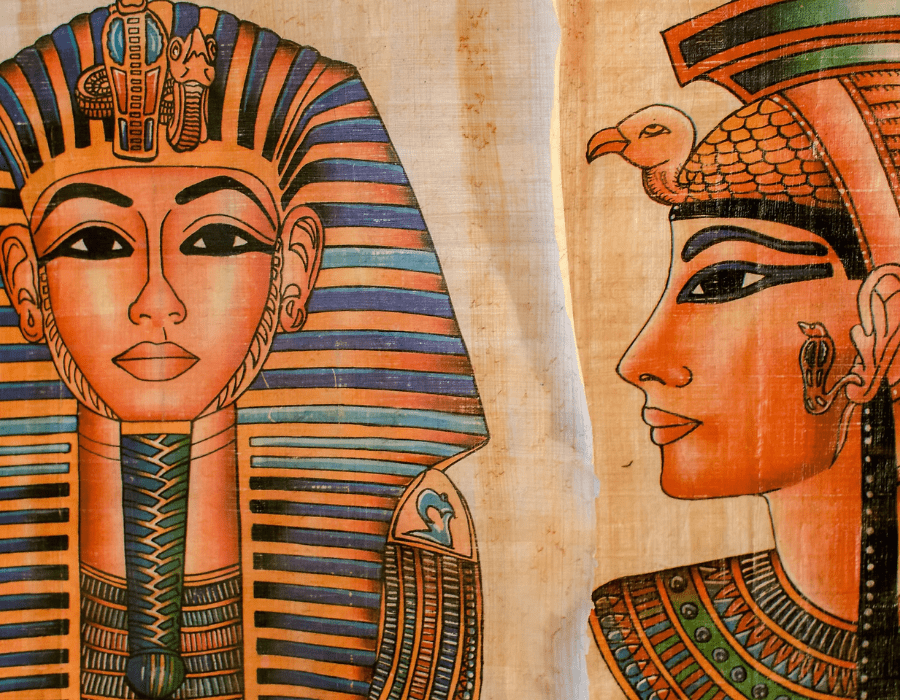
Cleopatra VII was the last active ruler of the Ptolemaic Kingdom of Egypt. She was born in 69 BCE and ruled from 51 BCE until her death in 30 BCE. She belonged to the Macedonian Greek Ptolemaic dynasty, established after the death of Alexander the Great. Despite her Greek ancestry, Cleopatra adopted Egyptian customs and presented herself as a traditional pharaoh.
Political Background
Cleopatra ruled during a period of political instability and growing Roman influence. After the death of her father, Ptolemy XII, she co-ruled with her younger brother Ptolemy XIII. Internal conflict led to civil war, during which Cleopatra aligned herself with Julius Caesar. With Roman military support, she regained the throne.
Later, Cleopatra formed a political and personal alliance with Mark Antony. Their partnership aimed to strengthen Egypt’s position against Rome. However, after their defeat by Octavian (later Augustus) at the Battle of Actium in 31 BCE, Cleopatra’s reign came to an end. In 30 BCE, Egypt became a Roman province.
Cleopatra Among Egyptian Kings and Queens
Cleopatra is often discussed in the broader context of Egyptian kings and queens. Unlike many earlier rulers, she governed during the Hellenistic period, when Greek culture strongly influenced Egypt. However, she maintained traditional Egyptian royal titles and religious roles, presenting herself as the earthly embodiment of the goddess Isis.
Throughout Egyptian history, the relationship between Egyptian pharaohs and queens varied. Some queens were consorts, while others ruled independently. Cleopatra belongs to the category of Egyptian pharaohs and queens who exercised direct political authority rather than serving only ceremonial roles.
Egyptian Queens and Goddesses
In ancient Egyptian ideology, queens were often associated with goddesses such as Isis, Hathor, and Mut. Cleopatra actively promoted her identification with Isis to legitimize her rule. This association reinforced the idea that Egyptian queens and goddesses shared symbolic roles in maintaining cosmic order and royal authority.
This religious connection was common among ancient Egyptian queens, who were considered essential to kingship and divine continuity.
Egyptian Crowns for Queens
- Egyptian crowns for queens differed slightly from those worn by male pharaohs. Queens frequently wore:
- The vulture crown, symbolizing protection and motherhood
- The modius crown, often decorated with uraei (rearing cobras)
- Crowns incorporating solar disks and cow horns, associated with Hathor and Isis
- Cleopatra was depicted wearing traditional Egyptian headdresses as well as Hellenistic royal diadems, reflecting the dual cultural identity of her reign.
The topic of black Egyptian queens is often discussed in modern historical debates. Ancient Egypt was a multicultural society located in northeast Africa, interacting with Nubia, the Mediterranean, and the Near East. While Cleopatra herself was of Macedonian Greek descent, earlier and later dynasties included rulers with strong African heritage, especially during periods of Nubian rule such as the 25th Dynasty.
It is important to distinguish between modern racial classifications and the complex ethnic diversity of ancient Egypt.
The phrase “Egyptian restaurant Astoria Queens” refers to modern establishments located in the Queens borough of New York City, not to ancient Egyptian history. It is unrelated to Cleopatra or ancient Egyptian queens, but reflects the cultural legacy of Egypt in contemporary communities.
Cleopatra remains one of the most studied figures among the names of Egyptian queens. Her reign marked the end of independent Egyptian rule and the beginning of Roman control. She demonstrated political intelligence, multilingual ability, and strategic diplomacy in dealing with Rome.
Within the broader history of Egyptian kings and queens, Cleopatra represents the final chapter of pharaonic sovereignty and the transition from the ancient Egyptian state to a Roman province.
2- Queen Hatshepsut – The Most Powerful Woman in Ancient Egypt
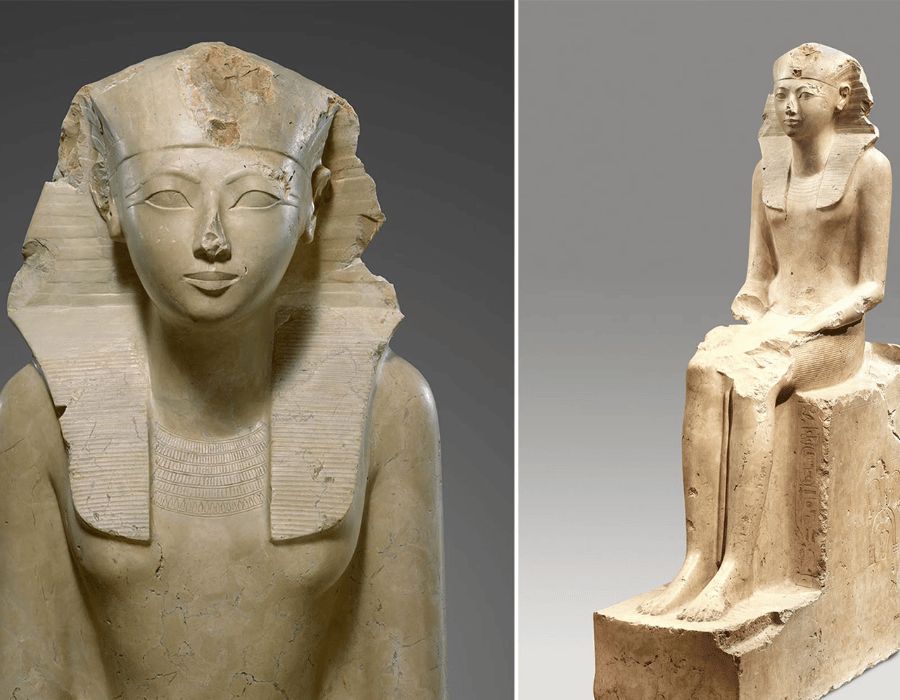
Among all ancient Egyptian pharaohs and queens, Queen Hatshepsut stands out as one of the most extraordinary rulers in Egyptian history. She was not only one of the most influential Egyptian queens, but also one of the few women who successfully ruled Egypt as a pharaoh in her own right.
Hatshepsut’s Rise to Power
Hatshepsut was born into Egypt’s royal family during the 18th Dynasty. Initially serving as regent for her young stepson, Thutmose III, she soon took the unprecedented step of declaring herself pharaoh. Unlike most Egyptian queens, she ruled with full royal authority, adopting all the symbols of kingship—including the false beard and male royal attire.
Her reign redefined the traditional Egyptian queens names list, placing her alongside legendary rulers rather than in the shadow of male kings.
A Pharaoh in Every Sense
In official inscriptions and temple reliefs, Hatshepsut is often depicted as a male ruler. These artistic choices were strategic, reinforcing her legitimacy in a male-dominated system. Today, paintings of Egyptian queens and statues of Hatshepsut offer invaluable insight into how power, gender, and divinity were represented in ancient Egypt.
Many of the most famous photos of Egyptian queens found in museums worldwide are inspired by or directly feature Hatshepsut’s statues, sphinxes, and wall carvings.
Architectural and Cultural Achievements
Hatshepsut’s most celebrated legacy is her magnificent mortuary temple at Deir el-Bahari, located near Luxor. This architectural masterpiece remains one of the finest examples of classical Egyptian design and stands as a symbol of her successful reign.
She also revived long-distance trade routes, most famously the expedition to the Land of Punt, bringing wealth, incense, exotic animals, and prestige back to Egypt—further strengthening her position among the greatest ancient Egyptian pharaohs and queens.
Legacy and Modern Influence
Although many of her monuments were later damaged or erased in an attempt to remove her from history, modern archaeology has restored her rightful place as one of Egypt’s greatest rulers. Today, Hatshepsut’s image frequently appears in documentaries, textbooks, museum exhibitions, and even modern cultural spaces—from historical galleries to themed venues and discussions connected to places like Egyptian restaurant Queens, where ancient Egyptian royalty often inspires décor and storytelling.
Why Queen Hatshepsut Still Matters
Hatshepsut represents intelligence, ambition, and political brilliance. She proved that leadership in ancient Egypt was not defined by gender but by vision and strength. Among all Egyptian queens Cleopatra included, Hatshepsut remains unique for ruling peacefully, expanding trade, and leaving behind monuments that still dominate the landscape of Egypt today.
Her story continues to fascinate historians, travelers, and anyone interested in the enduring legacy of Egyptian queens.
3- Queen Nefertiti – The Icon of Beauty and Power in Ancient Egypt
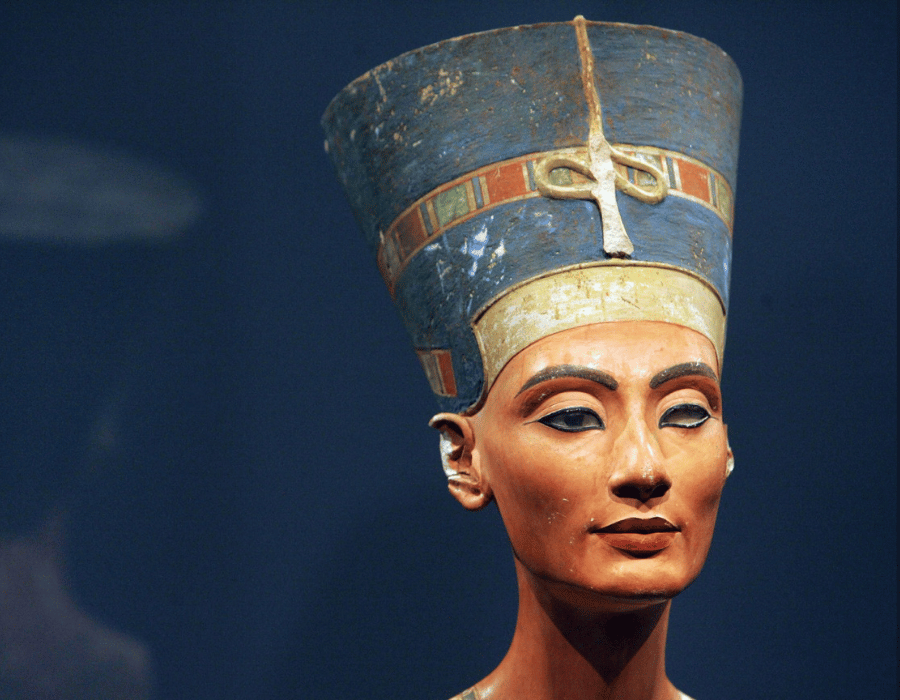
Among all Egyptian queens, Queen Nefertiti remains the most visually recognizable and symbolically powerful. Her image has become synonymous with elegance, authority, and refined beauty, making her one of the most celebrated African Egyptian queens in history.
Who Was Queen Nefertiti?
Queen Nefertiti lived during the 18th Dynasty and was the Great Royal Wife of Pharaoh Akhenaten. Together, they ruled Egypt during one of its most dramatic religious transformations—the shift toward the worship of the sun disk Aten. Unlike many royal women before her, Nefertiti was depicted standing beside the king as an equal, actively participating in rituals, ceremonies, and governance.
Her prominence places her firmly among the most influential figures in the long list of all Egyptian queens.
What Did Ancient Egyptian Queens Wear?
One of the most frequently asked questions about royal women is: what did ancient Egyptian queens wear? Nefertiti provides the clearest answer.
She is famously portrayed wearing:
- Elegant linen gowns that closely followed the body’s natural shape
- Elaborate collars made of gold, faience, and semi-precious stones
- Decorative bracelets, armlets, and earrings
- And most iconically, her tall blue crown, now a global symbol of ancient Egyptian royalty
When people ask what did Egyptian queens wear, it is often Nefertiti’s refined style—captured in statues and reliefs—that defines our modern understanding of royal fashion in ancient Egypt.
Art, Beauty, and Representation
The world-famous bust of Nefertiti, discovered in Amarna, has influenced generations of artists, historians, and designers. Today, many paintings of Egyptian queens draw inspiration from her delicate facial features, long neck, and calm yet commanding presence.
Museums around the world display countless photos of Egyptian queens, but none rival the global recognition of Nefertiti’s likeness. She represents not only physical beauty but also artistic perfection and royal authority.
Nefertiti Among African Egyptian Queens
As one of the most powerful African Egyptian queens, Nefertiti symbolizes the deep African roots of ancient Egyptian civilization. Her representations reflect both cultural identity and divine symbolism, reinforcing Egypt’s place within the broader African historical landscape.
Her legacy continues to shape discussions around heritage, representation, and leadership in ancient Africa.
Cultural Legacy in the Modern World
Nefertiti’s influence extends far beyond archaeology. Her image appears in modern fashion, branding, museum exhibitions, and even themed dining experiences. You’ll find her legacy referenced in unexpected places—from luxury décor to themed venues such as Egyptian seafood Queens, where ancient Egyptian royalty is often used as a visual and cultural motif to evoke grandeur and authenticity.
Why Queen Nefertiti Still Captivates the World
Queen Nefertiti represents the perfect balance between beauty and power. She was not merely a royal consort but a visible ruler, religious reformer, and cultural icon. Among all Egyptian queens, her name remains timeless—instantly recognizable and endlessly fascinating.
Her legacy continues to define how we imagine queenship in ancient Egypt and why these remarkable women still capture global imagination today.
4- Queen Sobekneferu – The First Female Pharaoh of Ancient Egypt
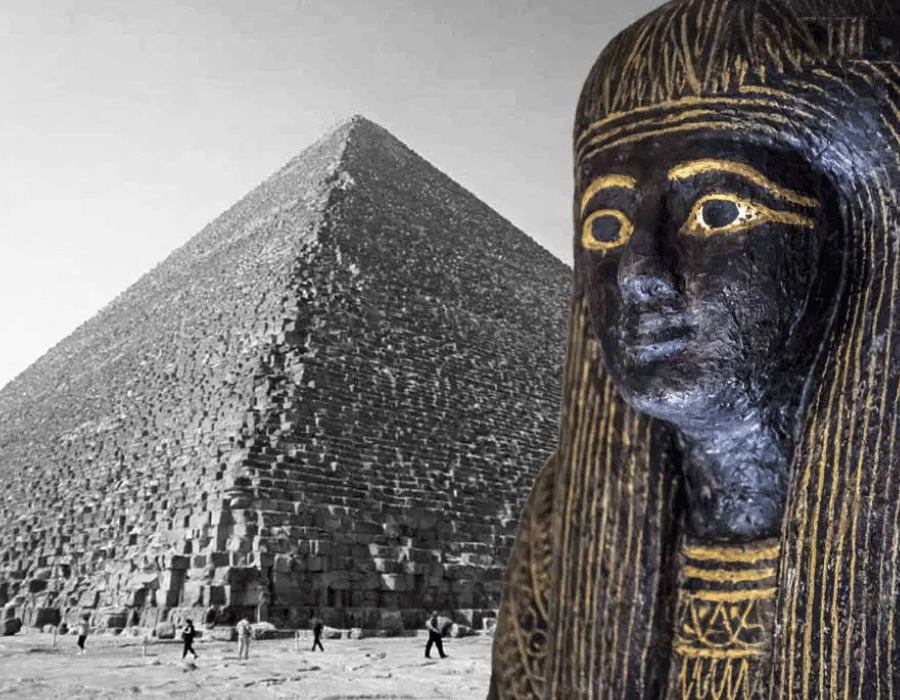
Among the most mysterious and groundbreaking rulers in Egyptian history stands Queen Sobekneferu, a woman who broke royal tradition and reshaped the legacy of ancient Egyptian kings and queens. She is widely recognized as the first confirmed female pharaoh to rule Egypt with full royal titles and authority.
Who Was Queen Sobekneferu?
Queen Sobekneferu ruled Egypt at the end of the 12th Dynasty during the Middle Kingdom, around 1800 BCE. Her reign marked a critical transition period in the long history of ancient Egyptian kings and queens, as she ascended the throne after the death of her brother, Pharaoh Amenemhat IV.
Unlike earlier royal women who ruled as regents, Sobekneferu ruled independently, placing her name permanently among the most important Egyptian kings and queens names ever recorded.
A Pioneer Among Ancient Black Egyptian Queens
Sobekneferu is often included in discussions of ancient black Egyptian queens, representing the African identity of ancient Egypt during the Middle Kingdom. Her statues and reliefs display traditional royal features combined with strong masculine symbolism, reinforcing her legitimacy as ruler while honoring Egypt’s cultural and ethnic heritage.
Her reign confirms that women—especially African queens—played decisive roles in shaping ancient Egyptian civilization.
Sobekneferu in the Egyptian Kings and Queens Family Tree
Within the Egyptian kings and queens family tree, Sobekneferu holds a unique position. She was the last ruler of the powerful 12th Dynasty, one of Egypt’s most stable and prosperous periods. Her rule effectively closed an era of centralized authority and monumental construction.
Her inclusion in royal lists proves that women were formally acknowledged within the official lineage of Egyptian kings and queens, not erased or marginalized.
Royal Power and Symbolism
Sobekneferu’s name means “The Beauty of Sobek,” referencing the crocodile god Sobek—associated with strength, fertility, and military power. This divine connection strengthened her authority and reinforced her role among the elite circle of ancient Egyptian kings and queens.
Her statues often show her wearing a blend of male and female royal attire, symbolizing balance, divine order, and absolute rule.
Legacy and Cultural Influence
Although fewer monuments of Sobekneferu survive compared to later rulers, her historical importance is immense. She paved the way for later female rulers like Hatshepsut and redefined what queenship could mean in ancient Egypt.
Today, her name appears in museums, academic research, documentaries, and even modern cultural references. The fascination with royal Egypt extends into unexpected spaces—from exhibitions to themed dining experiences such as Egyptian food Queens, where ancient royalty inspires atmosphere, storytelling, and design.
Why Queen Sobekneferu Still Matters
Queen Sobekneferu represents courage, legitimacy, and transformation. She proved that royal authority was not limited by gender and secured her place among the most powerful figures in the long list of Egyptian kings and queens names.
Among ancient Egyptian kings and queens, her reign stands as a bold statement: women could rule Egypt—not as exceptions, but as rightful pharaohs.
5- Queen Ankhesenamun – The Tragic Queen of Egypt’s Golden Dynasty
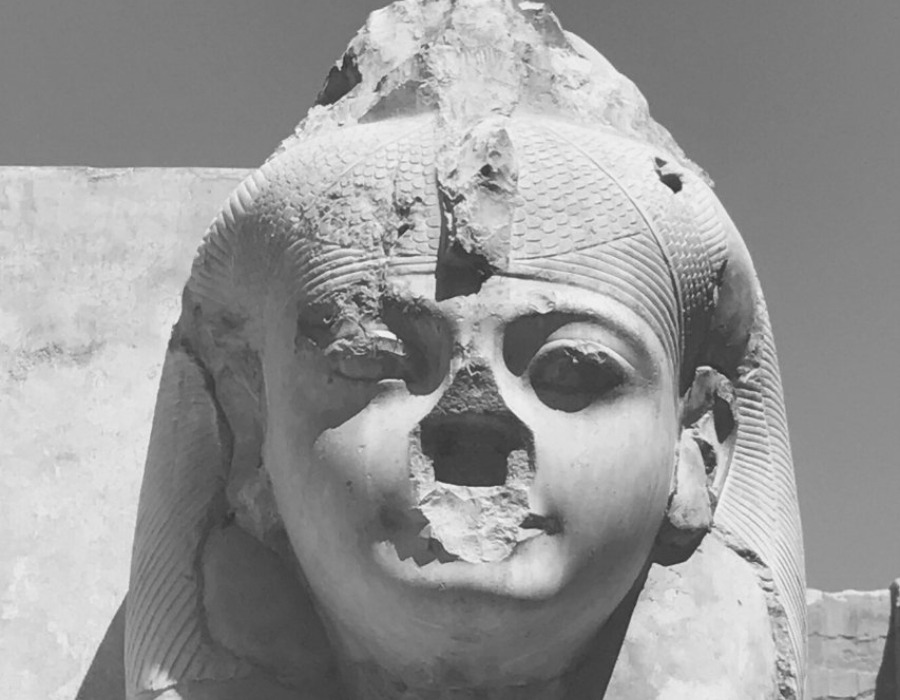
Among the most fascinating figures in the history of Egyptian queens and pharaohs, Queen Ankhesenamun stands out for her royal bloodline, dramatic life, and mysterious fate. She belonged to Egypt’s most famous royal family and played a crucial role during one of the most turbulent periods in ancient Egyptian history.
Royal Birth: Princess and Queen
Ankhesenamun was born into royalty as a princess of the 18th Dynasty, making her one of the most prominent figures among Egyptian princesses and queens. She was the daughter of Pharaoh Akhenaten and Queen Nefertiti, placing her at the heart of Egypt’s religious and political revolution.
Her life perfectly represents the close connection between Egyptian queens and princesses, as royal women often moved seamlessly between both roles.
Marriage to King Tutankhamun
Ankhesenamun became queen when she married her half-brother, Pharaoh Tutankhamun. Together, they ruled Egypt during a period of restoration, reversing the religious changes of Akhenaten and re-establishing traditional beliefs.
Their reign is one of the most well-known chapters in the story of Egyptian queens and kings, largely due to the discovery of Tutankhamun’s nearly intact tomb. Artistic depictions show Ankhesenamun standing beside the young king, emphasizing her role not only as a wife but also as a royal partner.
A Queen Among Pharaohs
As a member of the ruling elite, Ankhesenamun held a respected position among Egyptian queens and pharaohs. Temple scenes and artifacts depict her performing religious rituals, offering gifts to the gods, and supporting the pharaoh in official ceremonies.
Her name frequently appears alongside Tutankhamun’s in inscriptions, reinforcing the importance of queenship within Egypt’s royal system.
Mystery After the King’s Death
After Tutankhamun’s sudden death, Ankhesenamun disappears almost entirely from historical records. One of the most intriguing episodes associated with her life is a diplomatic letter she is believed to have sent to a foreign king, pleading for a royal husband—an unprecedented act that highlights her desperation and political vulnerability.
This moment underscores the fragile position of Egyptian queens and kings during times of transition and uncertainty.
Legacy of Ankhesenamun
Although her final fate remains unknown, Ankhesenamun’s legacy endures through art, archaeology, and scholarship. She symbolizes the elegance, responsibility, and emotional burden carried by royal women in ancient Egypt.
Her story connects all aspects of royal womanhood—from princess to queen—making her a defining figure among Egyptian queens and princesses and a key character in the broader narrative of Egyptian queens and pharaohs.
Why Queen Ankhesenamun Is Still Remembered
Queen Ankhesenamun represents the human side of ancient royalty: love, loss, power, and survival. Her life reflects the intimate relationship between Egyptian princesses and queens, and how these women shaped history even when their voices were nearly lost to time.
She remains one of the most compelling royal women in the long and dramatic history of ancient Egypt.
6- Queen Merneith – The Forgotten Ruler of Egypt’s First Dynasty
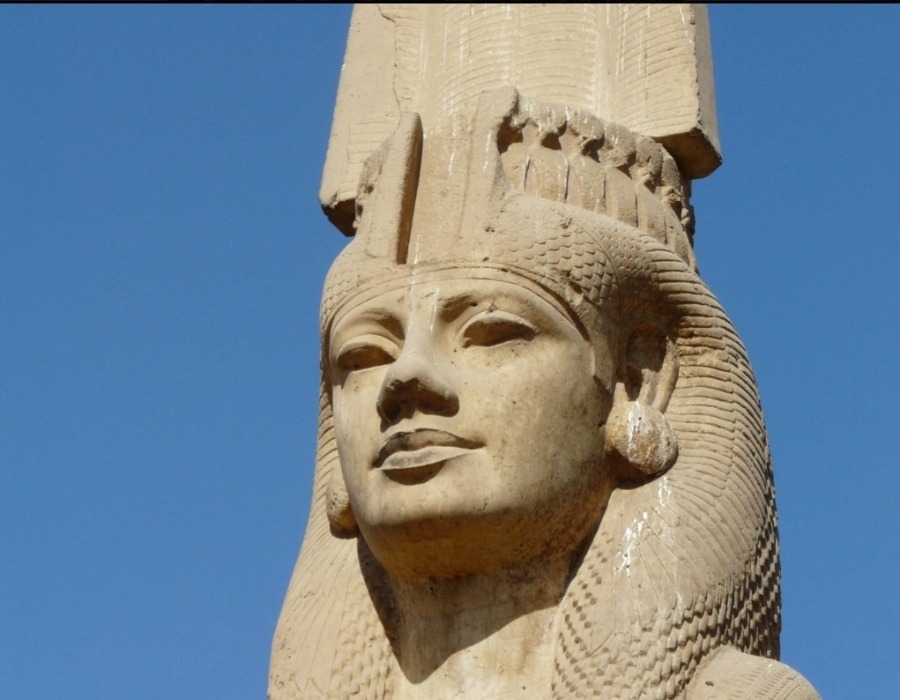
Among the great Egyptian queens, Queen Merneith holds a unique and often overlooked position. She lived during Egypt’s First Dynasty (around 3000 BCE) and is widely believed to have ruled Egypt either as a regent or as a pharaoh in her own right—making her one of the earliest female Egyptian queens in recorded history.
Who Was Queen Merneith?
Queen Merneith was connected to Egypt’s earliest royal lineage and is thought to have been the wife of King Djet and the mother of King Den. When her son was too young to rule, Merneith likely assumed power, placing her among the earliest examples of women governing ancient Egypt.
Her name appears on royal seals and monuments alongside kings, securing her place among famous Egyptian kings and queens of the early dynastic period.
A Queen with Royal Authority
Unlike many royal women of later periods, Merneith was buried in the royal cemetery at Abydos—an honor reserved for kings. Her tomb’s size, construction, and associated sacrifices strongly suggest that she exercised sovereign authority.
This extraordinary evidence places her firmly among great Egyptian queens, challenging the traditional belief that early Egypt was ruled exclusively by men.
Merneith Among Famous Egyptian Queens Names
Although less known to the public than Nefertiti or Cleopatra, Merneith is increasingly recognized by historians as one of the most important names on the list of famous Egyptian queens names. Her role demonstrates that women were involved in governance from the very beginning of Egyptian civilization.
Today, she is frequently featured in academic research, museum exhibitions, and Egyptian queens documentary productions that explore the hidden power of royal women in early Egypt.
Female Leadership in Early Egypt
Merneith’s reign proves that female Egyptian queens were not symbolic figures but active rulers capable of maintaining political stability. Her leadership helped preserve dynastic continuity during a fragile period in Egypt’s formation.
Her example paved the way—centuries later—for rulers like Sobekneferu and Hatshepsut to claim the throne openly.
Legacy in History and Media
Modern historians now place Merneith among the most famous Egyptian kings and queens of the early dynastic era. As interest grows in uncovering women’s roles in ancient civilizations, Merneith’s story has become central to discussions about power, legitimacy, and gender in ancient Egypt.
She is increasingly highlighted in Egyptian queens documentary series that aim to correct historical omissions and celebrate women who shaped civilization.
Why Queen Merneith Matters Today
Queen Merneith represents the origins of female power in ancient Egypt. She stands as proof that queens were not merely consorts but could rule, govern, and be remembered as sovereign leaders.
Among great Egyptian queens, her legacy is foundational—quiet, powerful, and essential to understanding how Egypt itself was born.
7- Queen Nefertari – The Most Beloved Queen of Ancient Egypt
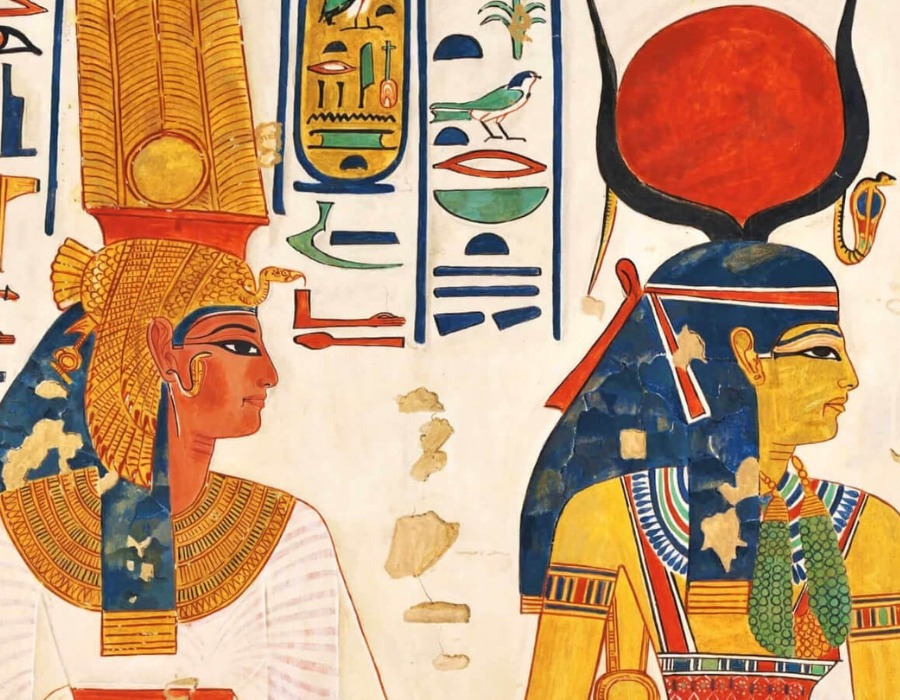
Among every list of ancient Egyptian queens, one name consistently shines brighter than most—Queen Nefertari. Celebrated for her beauty, intelligence, and political influence, Nefertari stands as one of the most powerful Egyptian queens in history.
Who Was Queen Nefertari?
Queen Nefertari was the Great Royal Wife of Pharaoh Ramses II, one of Egypt’s most powerful rulers. Her name means “the most beautiful of them all has come,” and historical evidence suggests she truly lived up to it—not only in appearance, but in wisdom and authority.
Her status places her prominently on any list of Egyptian queens and among the most admired royal women of the New Kingdom.
A Queen of Influence and Intelligence
Nefertari was highly educated and able to read and write hieroglyphs—an exceptional skill even among royalty. She actively participated in diplomatic correspondence with foreign powers, reinforcing her role as more than a ceremonial figure.
This elevated position makes her one of the most influential figures among the names of Egyptian queens and princesses, admired both in her lifetime and thousands of years later.
The Most Beautiful Tomb Ever Created for a Queen
Queen Nefertari’s eternal legacy is her spectacular tomb (KV66) in the Valley of the Queens. The vibrant colors, intricate hieroglyphs, and divine imagery inside are considered unmatched in ancient Egyptian art.
Today, some of the most breathtaking pictures of Egyptian kings and queens and pictures of Egyptian pharaohs and queens come from Nefertari’s tomb paintings, which vividly depict her journey to the afterlife alongside the gods.
Nefertari Among Powerful Egyptian Queens
Unlike many royal wives, Nefertari was honored with her own temple at Abu Simbel—an extraordinary privilege that confirms her status among the most powerful Egyptian queens. She was portrayed almost equal in size to Ramses II, a clear artistic signal of her importance and authority.
Her representation reflects a queen who ruled hearts, influenced policy, and embodied divine femininity.
Icon of Royal Beauty and Power
Nefertari’s imagery has shaped how we visualize queens of ancient Egypt. From museum exhibitions to textbooks, modern media relies heavily on her likeness when illustrating royal life. As a result, she remains central to curated pictures of Egyptian kings and queens worldwide.
Her name is inseparable from excellence, refinement, and royal grace.
Why Queen Nefertari Still Captivates the World
Queen Nefertari represents the ideal balance of love, intelligence, and power. She was a devoted wife, a respected diplomat, and a spiritual symbol of queenship at its finest.
On any list of ancient Egyptian queens, Nefertari is not just included—she is unforgettable.
8- Queen Neithhotep – The Mother of Egypt’s First Dynasty
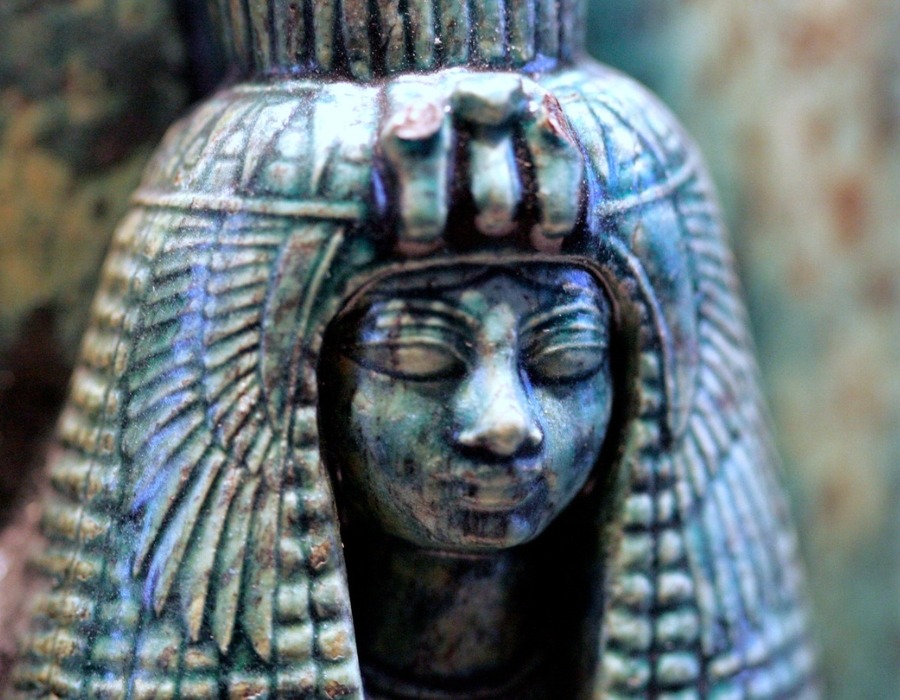
Among the earliest and most important royal women in history stands Queen Neithhotep, a woman whose influence helped shape the foundations of ancient Egypt. She is often regarded as the first clearly documented queen in Egyptian history and one of the most beautiful Egyptian queens in terms of symbolic and cultural legacy.
What Are Egyptian Queens Called?
A common question in royal history is: what are Egyptian queens called? In ancient Egypt, queens were known by titles such as Great Royal Wife, King’s Mother, and Mistress of the Two Lands. These titles reflected both political power and divine status.
So, what were Egyptian queens called in the earliest dynasties? During Neithhotep’s time, titles were still evolving, but archaeological evidence shows she held exceptional authority—possibly ruling as a regent or even as a sovereign ruler.
Who Was Queen Neithhotep?
Queen Neithhotep lived during the First Dynasty, around 3100 BCE. She is believed to have been the wife of King Narmer and the mother of King Hor-Aha, making her a foundational figure in Egypt’s earliest royal lineage.
Her massive tomb at Naqada rivals those of kings, proving that queens could hold extraordinary power even at the dawn of Egyptian civilization.
Ancient Egyptian Queens Clothing
Understanding ancient Egyptian queens clothing helps us visualize royal life in early Egypt. Queens like Neithhotep likely wore finely woven linen garments, symbolizing purity and divine order. These outfits were often paired with jewelry made from gold, carnelian, and turquoise.
When discussing ancient Egyptian clothing for queens, historians believe early queens favored simplicity combined with symbolic elegance—styles that later defined royal fashion for centuries.
Beauty, Art, and Representation
Although no confirmed portrait of Neithhotep survives, modern historians and artists have recreated her image through reliefs, seals, and symbolic motifs. Many drawings of Egyptian queens are inspired by early dynastic rulers like Neithhotep, blending historical accuracy with artistic imagination.
These reconstructions contribute to how we envision beautiful Egyptian queens, emphasizing dignity, strength, and divine femininity rather than physical appearance alone.
Neithhotep’s Role in Royal Power
Queen Neithhotep’s authority went far beyond ceremonial status. Her name appears on official seals and monuments, suggesting she played a direct role in governance during a crucial period of state formation.
Her legacy proves that queens were central to Egypt’s political stability from the very beginning.
Why Queen Neithhotep Still Matters
Queen Neithhotep represents the birth of queenship in ancient Egypt. She embodies leadership, legitimacy, and continuity at a time when Egypt itself was being unified.
As one of the earliest and most influential beautiful Egyptian queens, her story explains not only what Egyptian queens were called, but also why they mattered—then and forever.
9- Queen Nitocris – The Legendary Queen of Egypt’s Old Kingdom
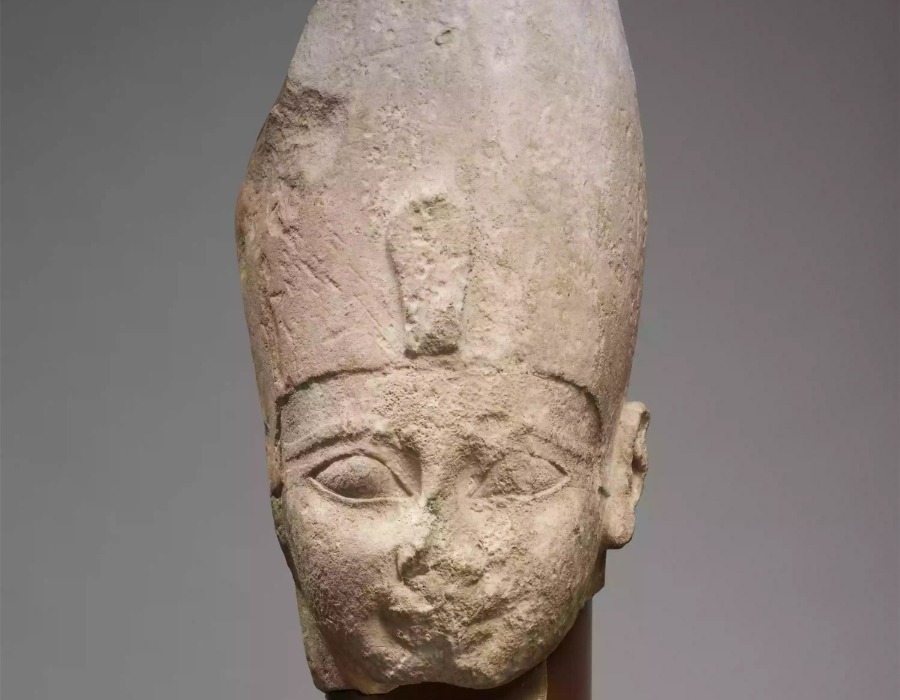
Among the most debated and intriguing figures in Egyptian history is Queen Nitocris, a ruler whose story blends historical tradition with legend. She is often mentioned among Egyptian African queens who symbolized authority, justice, and power during the final years of Egypt’s Old Kingdom.
Who Was Queen Nitocris?
Queen Nitocris is traditionally placed at the end of the Sixth Dynasty (around 2200 BCE). Ancient historians such as Manetho and Herodotus recorded her as a ruling queen, describing her as wise, brave, and exceptionally beautiful.
Although archaeological evidence remains limited, her name continues to appear in discussions of famous Egyptian pharaohs and queens, especially when exploring early female rule.
Egyptian African Queens and Royal Identity
Nitocris is often included among Egyptian African queens, representing Egypt’s deep African roots during the Old Kingdom. Ancient sources describe her not only as a ruler, but as a symbol of royal legitimacy during a time of political instability.
Her legacy reinforces the idea that women could ascend the throne even during Egypt’s most fragile historical moments.
Facts About Egyptian Queens Through Nitocris
When discussing facts about Egyptian queens, Nitocris highlights several key truths:
- Women could rule Egypt as sovereign leaders
- Queens were remembered in royal king lists and ancient texts
- Female authority was acknowledged even in early periods
Her inclusion helps explain why queens appear consistently in the list of Egyptian kings and queens, rather than being excluded from official history.
How Did Egyptian Queens Dress?
A common question in royal studies is: how did Egyptian queens dress? While no confirmed statues of Nitocris survive, Old Kingdom queens were typically depicted wearing long linen dresses, ceremonial wigs, and royal jewelry made of gold and semi-precious stones.
These styles symbolized purity, divine order, and status—traits associated with queenship throughout Egyptian history.
Nitocris Among Famous Egyptian Pharaohs and Queens
Despite the mystery surrounding her reign, Nitocris remains an important name among famous Egyptian pharaohs and queens. Her story—whether historical, symbolic, or a blend of both—represents justice, vengeance, and royal dignity in Egyptian tradition.
She is frequently referenced in historical debates, documentaries, and academic studies focused on early female rulers.
Place in the List of Egyptian Kings and Queens
Nitocris’s name appears in later historical records and king lists, demonstrating that ancient Egyptians recognized her as part of the royal lineage. This acknowledgment alone secures her position in the evolving list of Egyptian kings and queens, regardless of modern scholarly debate.
Why Queen Nitocris Still Matters
Queen Nitocris represents the powerful memory of queenship in ancient Egypt. Whether viewed as a historical ruler or a legendary embodiment of justice, her story contributes to our understanding of female power in antiquity.
Among Egyptian African queens, she stands as a reminder that women shaped Egypt’s history not only through monuments, but also through enduring stories passed down for millennia.
10- Queen Tiye – The Woman Who Ruled Beside Kings
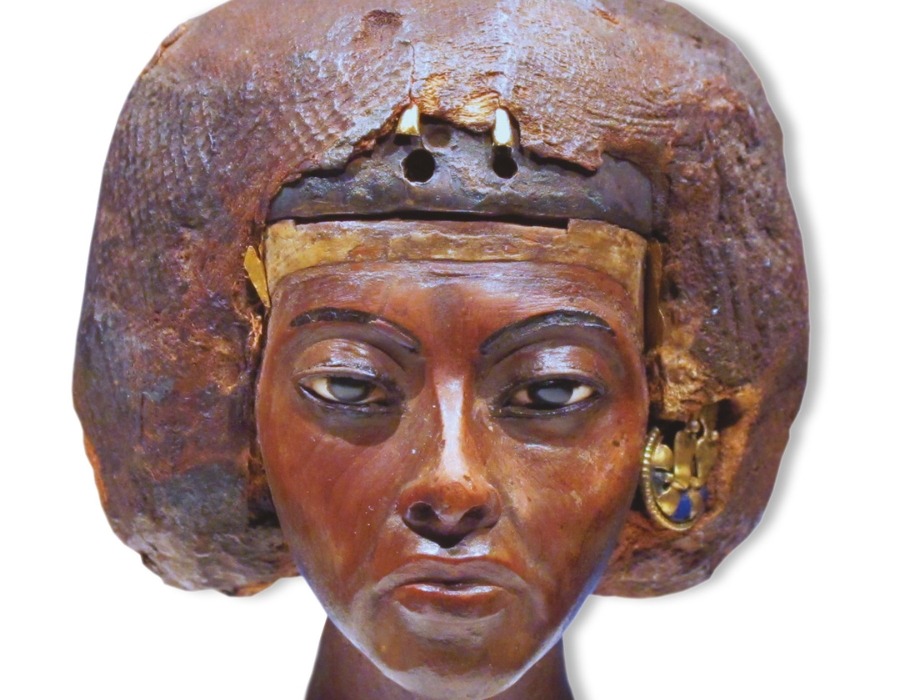
Among the most influential queens of ancient Egypt, Queen Tiye stands as a symbol of political power, intelligence, and royal authority. Unlike many ancient Egypt queens, Tiye was not born into royalty—yet she rose to become one of the most respected women in Egyptian history.
Who Was Queen Tiye?
Queen Tiye lived during the 18th Dynasty and was the Great Royal Wife of Pharaoh Amenhotep III. Her marriage marked a turning point in royal tradition, as she came from a noble but non-royal family.
Her elevation redefined the status of queens in ancient Egypt, proving that influence and intellect could rival royal bloodlines.
A Queen Who Ruled Beside Kings
Tiye was deeply involved in state affairs, foreign diplomacy, and religious life. Her name appeared on official monuments, scarabs, and correspondence—an honor usually reserved for kings.
She played a crucial role in the court of queens and kings of Egypt, acting as a trusted advisor to Amenhotep III and later to her son, Akhenaten.
Queen Tiye Among Egypt Queens
Unlike earlier royal wives, Tiye was depicted at the same scale as the pharaoh in statues and reliefs. This artistic equality symbolized her political power and confirms her place among the most dominant Egypt queens of all time.
Foreign rulers addressed her directly in diplomatic letters, recognizing her authority beyond Egypt’s borders.
Queens of Egypt Names and Royal Legacy
Any serious study of the queens of Egypt names or names of queens of Egypt places Tiye near the top. She was the mother of Akhenaten and the grandmother of Tutankhamun, linking her to one of the most famous royal lineages in history.
Through her descendants, Tiye’s influence shaped Egypt’s religious revolution and its eventual restoration.
Tiye and the Evolution of Queenship
Queen Tiye transformed the role of royal women. She set new standards for visibility, authority, and political participation, influencing later rulers like Nefertiti.
Her life explains why queens of ancient Egypt were not passive figures but active leaders shaping national policy.
Why Queen Tiye Still Matters
Queen Tiye represents the height of female political power in ancient Egypt. She was respected by kings, feared by rivals, and remembered by history.
Among all ancient Egypt queens, Tiye remains a defining example of how women shaped the destiny of Egypt—not from the shadows, but from the throne itself.
11- Queen Twosret – From Regent to Pharaoh in the Final Days of the New Kingdom
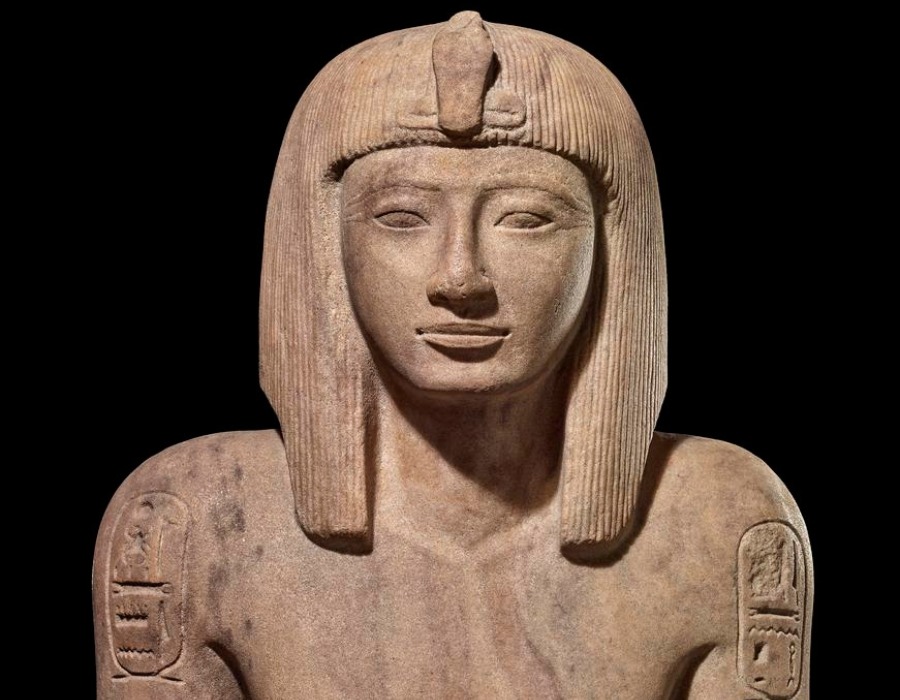
Among the most complex ancient queens of Egypt, Queen Twosret stands out as both a regent and a ruling pharaoh. Her reign marked the turbulent end of Egypt’s 19th Dynasty and placed her firmly among the most debated figures in the history of kings and queens of Egypt.
Regents and Rulers: Twosret’s Path to Power
Queen Twosret began her political career as the wife of Pharaoh Seti II. After his death, she served as regent for the young king Siptah. During this period, she exercised real authority, making her a key example among Egypt’s Regents and Rulers.
Eventually, Twosret assumed full royal titles and ruled Egypt as pharaoh herself—an extraordinary achievement that positioned her among the most powerful egyption queens of the New Kingdom.
Twosret Among Egypt Kings and Queens
As a ruling queen-pharaoh, Twosret adopted traditional royal regalia and was depicted in kingly form. Her name appears in royal inscriptions alongside those of male rulers, securing her place among Egypt kings and queens rather than being remembered only as a consort.
Her reign demonstrates how women could transition from support roles into full sovereignty within the system of kings and queens of Egypt.
Tombs and the Valley of the Kings and Queens
Queen Twosret’s tomb, KV14, is located in the Valley of the Kings, a site traditionally reserved for pharaohs. This alone confirms her status as a legitimate ruler.
At the same time, her legacy is closely associated with the Valley of the Queens, a place deeply connected to royal women and the afterlife. Together, these necropolises highlight her unique position within the Valley of the Kings and Queens Egypt landscape.
Twosret and the Ancient Queens of Egypt
Among ancient queens of Egypt, Twosret represents the final assertion of female authority during the New Kingdom. Her reign occurred during political instability, yet she maintained control long enough to be recognized as a pharaoh.
Although later rulers attempted to erase her legacy, modern archaeology has restored her name to the official history of kings and queens of Egypt.
Valley of Queens Egypt and Royal Memory
The Valley of Queens Egypt remains a powerful symbol of royal femininity, legacy, and divine rebirth. Twosret’s association with both royal burial valleys reflects her dual identity—as queen and king, regent and ruler.
Her story enriches our understanding of how egyption queens navigated power, tradition, and survival.
Why Queen Twosret Still Matters
Queen Twosret embodies transition, resilience, and authority at a time when Egypt stood on the edge of change. She was not merely a caretaker of power but a ruler who claimed the throne in her own name.
Among all kings and queens of Egypt, Twosret remains one of the strongest examples of how women shaped Egypt’s political destiny—even in its most uncertain moments.
Religious Significance of Egyptian Queens
The queens of Egypt were not only political figures—they held profound religious significance in ancient Egyptian society. Their roles were intertwined with divine power, temple rituals, and the eternal afterlife. From their depictions in temples to their burial in royal necropolises, Egyptian queens were central to maintaining ma’at, the cosmic order of balance and harmony.
The Valley of the Queens – Luxor, Egypt
Many of the most important royal women were buried in the Valley of the Queens Luxor, a necropolis specifically dedicated to queens and royal children. This sacred site reflects the spiritual and ceremonial importance of queenship in Egypt.
Valley of the Queens Egypt map shows clusters of tombs organized by dynasty, highlighting the prominent placement of queens like Nefertari, Meritamen, and Twosret.
The necropolis is carefully designed to mirror the heavens, ensuring the queen’s journey to the afterlife aligns with divine principles.
Queens as Religious Intermediaries
Egyptian queens often acted as intermediaries between the gods and the people. Through temple rituals, offerings, and ceremonial appearances alongside pharaohs, queens reinforced the divine legitimacy of kingship. Their religious significance extended beyond life; tomb inscriptions and funerary art show queens receiving blessings from deities and guiding the deceased into the afterlife.
Iconic Queens of Egypt
Historically, a few key figures embody this sacred role:
- 3 queens of Egypt commonly highlighted for their religious roles include Nefertari, Hatshepsut, and Tiye—each involved in temple building, ritual practice, or divine representation.
- 6 queens of Egypt often recognized for both political and spiritual influence are Hatshepsut, Nefertiti, Merneith, Sobekneferu, Twosret, and Ankhesenamun.
- These queens illustrate how all queens of Egypt were not merely symbolic consorts but active participants in religious life, linking the earthly and divine realms.
Religious Legacy in Art and Architecture
The sacred authority of queens is immortalized in temples, reliefs, and tombs. From the colorful murals in the Valley of the Queens to carvings in temples across Egypt, these artworks depict queens performing sacred rites, offering prayers, and embodying goddesses such as Hathor and Isis.
The spiritual prominence of queens reinforces why they were included in lists of the queens of Egypt and memorialized in maps, tombs, and inscriptions across the Nile Valley.
Why Religious Significance Matters
The religious significance of Egyptian queens reveals that their influence went far beyond governance or royal lineage. Queens were pillars of divine legitimacy, protectors of cosmic order, and guides for the deceased. Their sacred role elevated them to the realm of the eternal, ensuring their memory endures in sites like the Valley of the Queens Luxor Egypt.
Through the combined historical, architectural, and religious lens, the story of all queens of Egypt emerges as one of power, piety, and eternal legacy.
The Title of Great Royal Wife and the Lineage of Egyptian Queens
In ancient Egypt, the title Great Royal Wife was the highest honor a queen could hold. It designated the chief wife of the pharaoh, who often wielded significant political, ceremonial, and religious influence. This title reflects the crucial role of women in the royal court and underscores why all the queens of Egypt were not merely consorts—they were integral to the continuity of power, dynastic legitimacy, and divine authority.
Queens and Kings: A Shared Legacy
The intertwined roles of pharaohs and their wives are central to understanding ancient Egypt kings and queens. Queens like Hatshepsut, Tiye, and Nefertari were not only partners to pharaohs but sometimes acted as rulers themselves, influencing policy, diplomacy, and religious life.
Historical records, inscriptions, and monuments preserve the names of these rulers, giving us a clear picture of ancient Egypt kings and queens names. These lists reveal the extraordinary lineage of women who shaped Egypt’s political and cultural history.
The Complete Lineage
When exploring all the kings and queens of Egypt, it becomes clear that queens were foundational to dynastic stability. They ensured the succession of heirs, maintained alliances, and acted as religious intermediaries. From Merneith in the First Dynasty to Twosret in the late New Kingdom, queens were constantly pivotal to Egypt’s ruling structure.
The all the queens of Egypt list is remarkable in its breadth, including regents, co-rulers, and pharaohs who assumed full sovereign power. Their stories highlight the diversity of female authority and the evolving role of queenship throughout Egypt’s long history.
- The Role of the Great Royal Wife
- As the Great Royal Wife, queens had specific responsibilities:
- Participating in temple rituals and public ceremonies
- Acting as advisors and sometimes co-rulers with the pharaoh
- Preserving dynastic continuity through offspring
- Representing divine authority on Earth
- This title explains why Egypt’s queens were remembered alongside pharaohs in historical records, art, and inscriptions.
Why These Titles and Names Matter
Understanding the lineage of ancient Egypt kings and queens and the significance of titles like Great Royal Wife allows us to appreciate the complexity of royal authority. These queens were central to governance, religion, and society, proving that Egypt’s history is incomplete without their stories.
The legacy of all the kings and queens of Egypt and the recognition of ancient Egypt kings and queens names ensures that these remarkable women are remembered not only as consorts but as leaders, visionaries, and cultural icons.
Conclusion – The Enduring Legacy of Egyptian Queens
The story of ancient Egypt pharaohs and queens is one of power, legacy, and extraordinary achievement. From the earliest dynasties to the grandeur of the New Kingdom, queens played pivotal roles in governance, religion, and culture, often ruling alongside—or even above—kings. Their influence is immortalized in monuments, temples, tombs, and inscriptions throughout the ancient Egypt Valley of the Queens.
Throughout history, the ancient kings and queens of Egypt demonstrated that authority was not limited to men. Figures like Hatshepsut, Nefertiti, Merneith, and Tiye exemplify female leadership, diplomacy, and cultural innovation. Many of these rulers were also part of the line of black kings and queens of Egypt, highlighting the African roots of the civilization and the diverse identities of its royal family.
The list of Egyptian pharaohs and queens and the names of Egyptian pharaohs and queens preserve these extraordinary figures for posterity. From Sobekneferu, Egypt’s first confirmed female pharaoh, to Queen Nefertari, the beloved Great Royal Wife of Ramses II, these rulers are remembered not only for their beauty and elegance but for their intelligence, political skill, and religious significance.
Among the 10 famous Egyptian queens we explored, each left a unique mark:
- Hatshepsut – the visionary pharaoh who expanded trade and built monumental temples
- Nefertiti – a symbol of beauty and political power
- Merneith – one of the first female rulers in Egyptian history
- Sobekneferu – the trailblazing queen-pharaoh of the Middle Kingdom
- Ankhesenamun – the tragic yet influential queen of Tutankhamun
- Nefertari – the queen immortalized in her magnificent tomb at Abu Simbel
- Neithhotep – the foundational matriarch of the First Dynasty
- Nitocris – the legendary queen who embodied justice and power
- Tiye – the politically savvy wife of Amenhotep III
- Twosret – the regent who became pharaoh during the final days of the 19th Dynasty
These queens of Egypt were far more than consorts—they were rulers, goddesses, and symbols of divine authority. From the halls of the Valley of the Queens Egypt to the temples and monuments along the Nile, their lives continue to inspire scholars, travelers, and enthusiasts around the world.
By studying queens in Egypt, their tombs, inscriptions, and surviving artworks, we gain insight into a civilization where female leadership was celebrated, recorded, and revered. The legacy of these extraordinary women endures, reminding us that the history of Egypt is inseparable from the stories of its queens.
Ultimately, the ancient Egypt Valley of the Queens and the monuments they left behind ensure that the power, wisdom, and beauty of these women will be remembered for millennia, securing their place in the list of Egyptian pharaohs and queens and in the heart of world history.
Related Articles:
