
Sekhmet is one of the most powerful and fascinating deities in ancient Egyptian mythology. Known as the fierce lioness protector, she represents both destruction and healing, making her one of the most complex figures in Egyptian beliefs.
This guide explores who is Sekhmet, her role as the Egyptian goddess of war and healing, her deep connection with other gods like Hathor and Bastet, and where travelers in 2026 can experience her legacy in Egypt. You will also discover her symbols, temples, statues, and stories that still inspire visitors today.
Who Is Sekhmet? | About Sekhmet in Ancient Egypt 2026
When asking who is Sekhmet, you are stepping into the heart of ancient Egypt’s spiritual world. The Sekhmet Egyptian goddess was known as the lioness deity, a symbol of power, protection, and divine justice. Often referred to as the ancient Egyptian goddess Sekhmet, she was believed to be created by the sun god Ra to punish humanity when it strayed from order.
The Egyptian god Sekhmet was both feared and respected. Unlike many other deities, she embodied duality. As a warrior goddess Sekhmet, she brought destruction upon enemies, yet as Sekhmet goddess of healing, she protected and restored health. This contrast made her one of the most important figures in ancient Egypt Sekhmet worship.
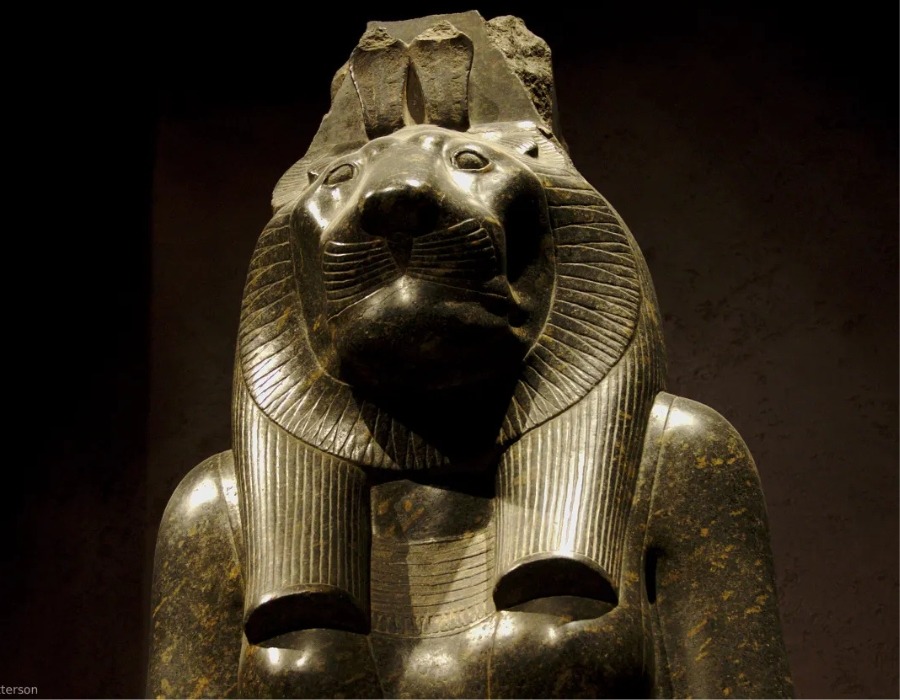
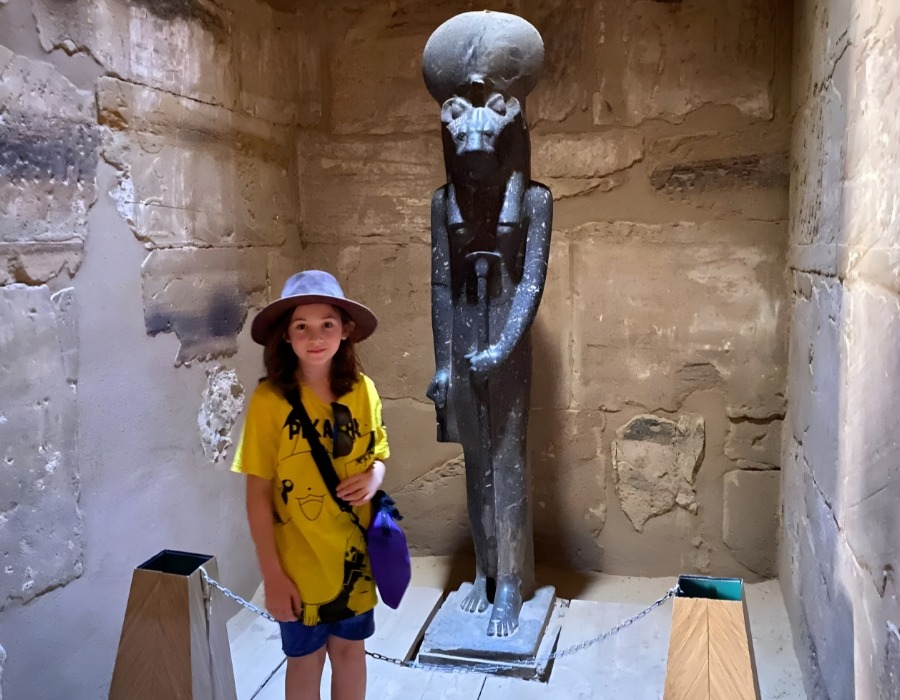
Her appearance is iconic. The lioness Sekhmet goddess is depicted with the body of a woman and the head of a lioness, representing strength and fierce protection. This is why she is often called the Egyptian lion goddess Sekhmet or simply the lion goddess Sekhmet.
The history of Sekhmet reveals her importance across different dynasties. She was widely worshipped in temples, especially in Thebes. The ancient Egyptian god Sekhmet was also associated with divine kingship, protecting pharaohs in battle.
Travelers visiting Egypt in 2026 can explore her legacy through statues, temples, and carvings that reflect her enduring influence. Understanding about Sekhmet adds depth to every historical site you visit, especially when exploring places connected to her worship.
The Story of Sekhmet | Ra and Sekhmet Myth Explained 2026
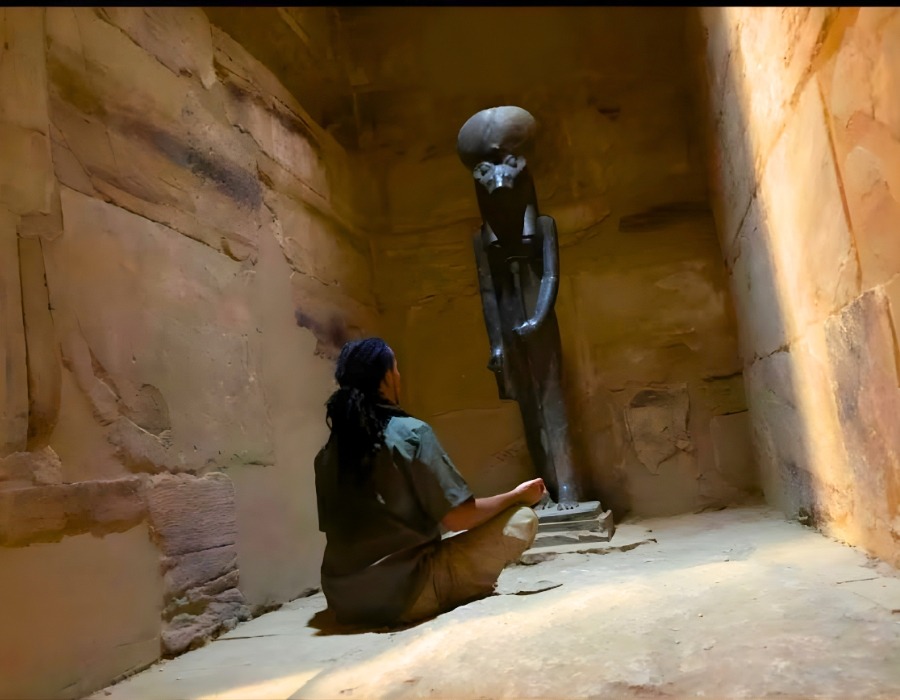
The story of Sekhmet is one of the most dramatic myths in Egyptian history. According to legend, the sun god Ra sent Sekhmet to Earth to punish humans for their disobedience. This is where the relationship between Ra and Sekhmet becomes central to understanding her character.
In the myth, the ancient Egyptian god Sekhmet became so consumed by her mission that she nearly destroyed all humanity. This powerful narrative is often referred to as the story of Sekhmet, showing her unstoppable force as the Egyptian goddess of war Sekhmet.
To stop her, Ra used a clever trick. He ordered beer dyed red to resemble blood to be spread across the land. Sekhmet drank it, believing it to be blood, and became intoxicated, eventually calming down. This moment transformed her into a more peaceful form, linking her to Hathor Sekhmet traditions.
This transformation is why many myths connect Sekhmet and Hathor. Hathor represents love and joy, while Sekhmet represents power and destruction. Together, they reflect balance in Egyptian belief.
The Sekhmet story also connects her to other gods like Thoth and Seth. In some traditions, Sekhmet and Thoth highlight wisdom guiding power, while Sekhmet and Seth represent chaos and strength. These connections make the Egypt god Sekhmet deeply integrated into Egyptian mythology.
For travelers, these stories come alive when visiting temples and reading inscriptions that describe her mythological role.
Sekhmet and Bastet | The Connection Between Lioness and Cat Goddess 2026
One of the most intriguing relationships in Egyptian mythology is between Sekhmet and Bastet. While Sekhmet is fierce and destructive, Bastet is gentle and protective. This contrast is central to understanding bastet and sekhmet goddess roles.
The Egyptian cat goddess Sekhmet may sound surprising, but it reflects her connection to feline symbolism. While Bastet is a domestic cat, Sekhmet is a wild lioness. This duality is often described in texts referencing bastet sekhmet and hathor.
In many traditions, bastet sekhmet represent two sides of the same divine force. This idea is also seen in references like bastet e sekhmet and sekhmet bastet hathor, which show how these goddesses were interconnected.
The relationship between bastet and sekhmet also symbolizes balance between peace and war. Travelers interested in mythology will find this connection reflected in temple art and inscriptions.
Understanding sekhmet cat symbolism helps visitors appreciate how ancient Egyptians viewed nature and divine power. The Egyptian lioness goddess was not just a destroyer but also a protector of cosmic order.
Sekhmet Symbol, Art, and Statues | What Travelers See in 2026
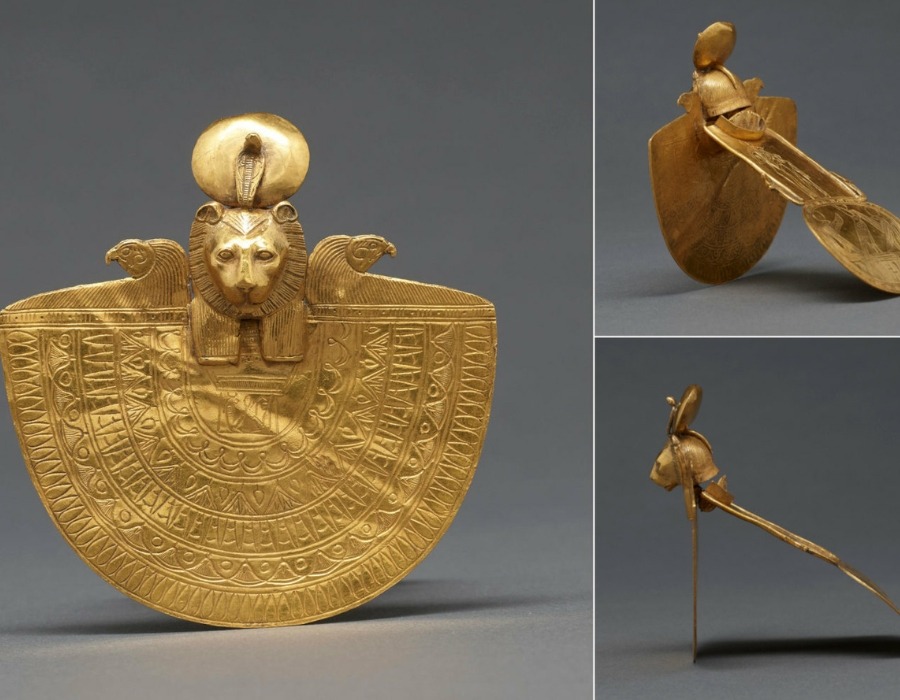
The Sekhmet symbol is one of the most recognizable in Egyptian art. Often shown holding an ankh, the Sekhmet ankh represents life, even though she is sometimes associated with destruction or Sekhmet of death.
Key Elements of Sekhmet Art
| Element | Meaning |
|---|---|
| Lioness head | Power and protection |
| Sun disk | Connection to Ra |
| Ankh | Life and healing |
| Seated statue | Authority and stability |
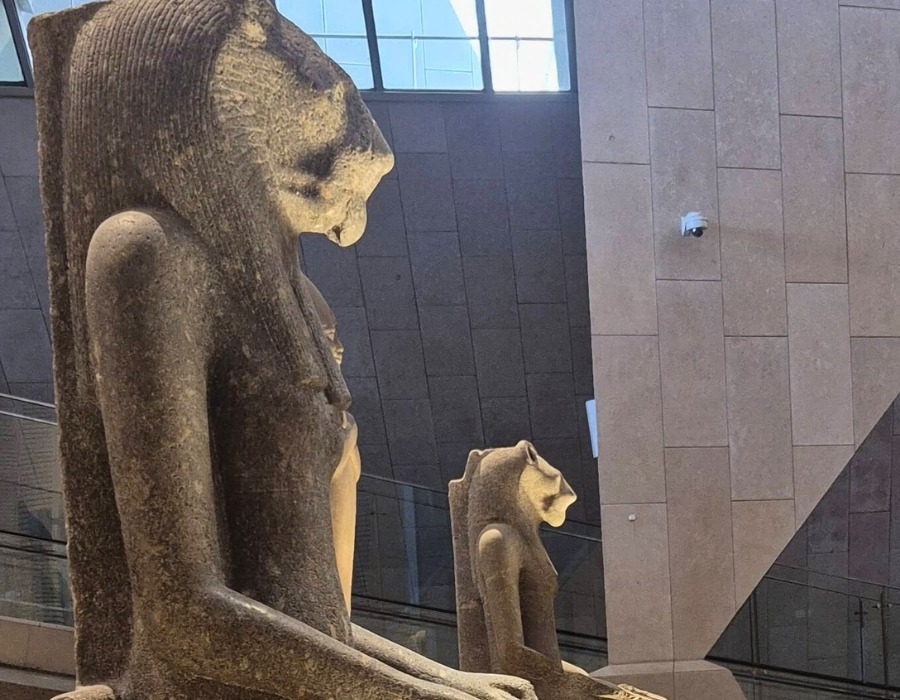
The Sekhmet statue is especially famous at Karnak. The statue of Sekhmet found there shows her seated, calm yet powerful. These statues are among the most photographed artifacts in Egypt.
Visitors in 2026 can explore Sekhmet Karnak, where hundreds of statues were discovered. The Sekhmet mask and carvings also provide insight into her representation.
The world of Sekhmet art includes temple carvings, reliefs, and sculptures. Many examples of Sekhmet Egyptian goddess art can be seen in museums and archaeological sites.
These visuals help travelers connect with the ancient Egyptian Sekhmet in a meaningful way, making every visit more immersive.
Sekhmet Temple and Worship | Where to Experience Sekhmet in Egypt 2026
The Sekhmet temple at Karnak is one of the most important places to understand her worship. The temple of Sekhmet was part of a larger religious complex dedicated to multiple gods.
Top Places to Explore Sekhmet in Egypt
| Location | Experience |
|---|---|
| Karnak Temple | Hundreds of Sekhmet statues |
| Luxor Museum | Detailed artifacts |
| Thebes | Historical worship center |
The ancient Egyptian god Sekhmet was worshipped through rituals, offerings, and prayers. Some traditions even mention the invocation of Sekhmet, used for protection and healing.
Travelers interested in spirituality often explore stories about signs Sekhmet is calling you, though these are modern interpretations inspired by ancient beliefs.
The Sekhmet temple experience allows visitors to step into a sacred space where history, mythology, and architecture meet.
Sekhmet as Goddess of War and Healing | Dual Power Explained 2026
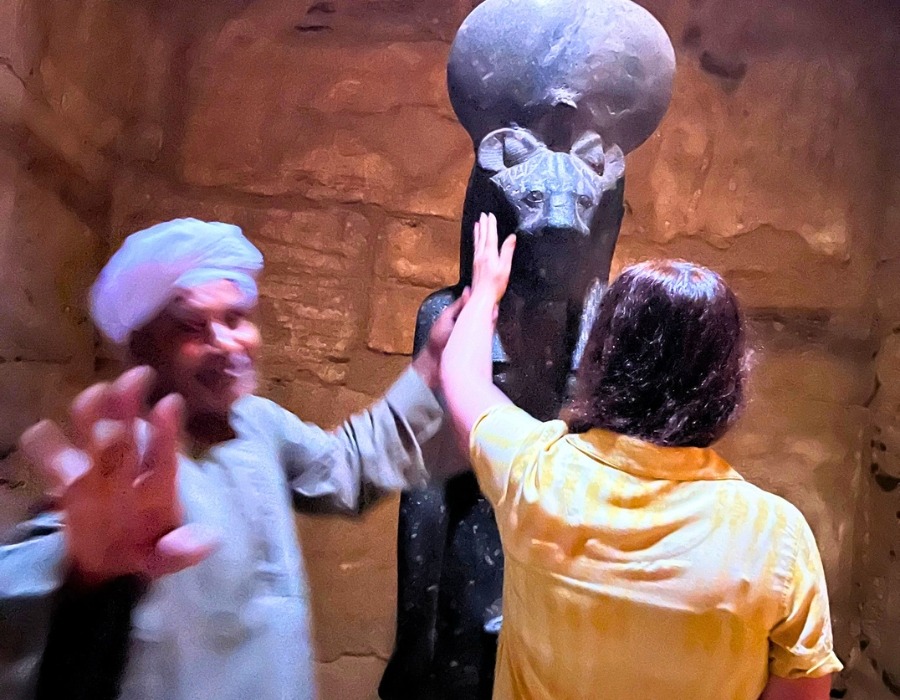
The Sekhmet goddess of war is known for her destructive force, but she is equally revered as the Sekhmet goddess of healing. This duality defines her identity.
The Sekhmet Egyptian goddess of healing was believed to cure diseases and protect against plagues. Priests of Sekhmet were skilled in medicine, linking her to early healing practices.
At the same time, the warrior goddess Sekhmet protected Egypt from enemies. This is why she is often called the Egyptian goddess of war Sekhmet.
Her connection to fate is also significant. The idea of Sekhmet fate reflects her role in determining outcomes in battle and health.
The combination of destruction and healing makes the Egyptian god Sekhmet one of the most balanced deities in mythology.
Hathor and Sekhmet in 2026: The Two Faces of Divine Power in Ancient Egypt
The connection between Hathor and Sekhmet reveals one of the most fascinating dualities in ancient Egyptian belief. These two goddesses are often understood as different manifestations of the same divine force—one representing love, joy, and beauty, while the other embodies power, war, and destruction. For travelers exploring Egypt in 2026, understanding this relationship adds depth to every temple visit, especially in Luxor and Karnak.
The Relationship Between Hathor Sekhmet Explained
In ancient Egyptian mythology, Hathor Sekhmet represents a transformation rather than a simple partnership. The story begins with the sun god Ra, who created Sekhmet to punish humanity. As the fierce lion goddess Sekhmet, she unleashed destruction across the land. However, when her rage became uncontrollable, Ra intervened.
To calm her, he tricked her into drinking red-colored beer, believing it to be blood. Once she became intoxicated and peaceful, she transformed into Hathor—the gentle goddess of love, music, and joy. This transformation explains why many texts refer to Sekhmet and Hathor as two aspects of the same divine energy.
This myth is central to understanding the balance in Egyptian religion: destruction must be followed by renewal.
Hathor and Sekhmet Symbolism in Ancient Egypt
The symbolism behind Hathor and Sekhmet reflects the natural balance of life:
- Sekhmet: Represents war, fire, protection, and divine justice
- Hathor: Represents love, fertility, music, and happiness
While Sekhmet is often called the Egyptian goddess of war Sekhmet, Hathor is known as the goddess of celebration and motherhood. Together, they form a complete cycle—destruction and healing, chaos and harmony.
This duality is also connected to other goddess groupings like Hathor Sekhmet Bastet, where Bastet represents a softer protective energy between the two extremes.
Sekhmet and Hathor in Temples You Can Visit in 2026
Travelers in Egypt can witness the legacy of Sekhmet and Hathor in several iconic locations:
1. Karnak Temple (Luxor)
Home to hundreds of Sekhmet statues, this site highlights her role as a powerful protector. Many of these statues show her calm form, hinting at her connection to Hathor.
2. Dendera Temple Complex
This is one of the best-preserved temples dedicated to Hathor. Here, you will see the softer, nurturing side of the same divine force that appears as Sekhmet elsewhere.
3. Luxor Temple
This site connects multiple deities and reflects the unity between Hathor and Sekhmet in Egyptian religious practice.
Sekhmet History in 2026: The Complete Story of the Lioness Goddess
The Sekhmet history takes us deep into the spiritual and cultural foundations of ancient Egypt, where the powerful lioness deity stood as both a destroyer and a healer. Known as the ancient Egyptian goddess Sekhmet, she played a central role in religion, medicine, warfare, and royal protection. For travelers planning a visit to Egypt in 2026, understanding the history of Sekhmet transforms every temple and statue into a meaningful experience rather than just a visual attraction.
Origins of Sekhmet in Ancient Egypt
The story of ancient Egypt Sekhmet begins in the earliest periods of Egyptian civilization. She was worshipped as a solar deity, closely linked to the sun god Ra. In fact, many texts describe her as the “Eye of Ra,” sent to Earth to maintain order. This is why the ancient Egyptian god Sekhmet was both feared and respected.
As the Egyptian lion goddess Sekhmet, she symbolized the intense heat of the sun, which could both sustain life and destroy it. This dual nature defined her identity throughout Egyptian history. The lioness Sekhmet goddess was often invoked during times of war and crisis, believed to bring protection to pharaohs and armies.
The history of Sekhmet also shows her importance in royal ideology. Pharaohs considered her a divine protector, and many rulers commissioned statues and temples in her honor to ensure victory in battle and stability in the kingdom.
Sekhmet in Egyptian Mythology
A key part of Sekhmet history is her role in mythology, especially the famous tale involving Ra. In this story, the Egyptian god Sekhmet was created to punish humanity for rebellion. As the fierce warrior goddess Sekhmet, she unleashed destruction across the land.
However, her power became uncontrollable. To stop her, Ra tricked her into drinking beer dyed red to resemble blood. After drinking it, she calmed down and transformed into a peaceful form, often associated with Hathor. This myth explains the connection between Sekhmet and Hathor and highlights her dual role as both destroyer and healer.
This transformation is essential to understanding the Sekhmet goddess of war and healing. It shows how ancient Egyptians viewed balance as a necessary force in the universe.
Worship and Temples of Sekhmet
The Sekhmet temple was one of the most important places of worship in ancient Egypt. The most famous site associated with her is the Karnak Temple complex in Luxor. Here, hundreds of statues of Sekhmet were discovered, reflecting her importance in religious practices.
The temple of Sekhmet was not only a place of worship but also a center for healing rituals. Priests dedicated to the Sekhmet goddess of healing were known for their medical knowledge. They performed rituals and used early forms of medicine to treat illnesses.
The ancient Egyptian Sekhmet was also honored through festivals. One of the most significant celebrations involved reenacting the myth of her transformation, symbolizing the shift from destruction to peace.
For modern travelers, visiting these temples offers a direct connection to her history. Seeing the statue of Sekhmet in Karnak allows visitors to experience the scale and significance of her worship.
Sekhmet’s Role in Daily Life and Beliefs
The Sekhmet history is not limited to temples and myths—it was deeply integrated into daily life. Ancient Egyptians believed that the Egypt god Sekhmet could bring both disease and healing. As a result, she was both feared and worshipped in everyday rituals.
Amulets and carvings of the Sekhmet symbol were commonly used for protection. The Sekhmet ankh, representing life, often appeared in her depictions, reinforcing her healing aspect.
The Egyptian goddess Sekhmet was also associated with fate and destiny. The concept of Sekhmet fate reflects her role in determining outcomes in war, health, and life events.
Sekhmet’s Legacy in 2026
Today, the legacy of ancient Egyptian god Sekhmet continues to attract travelers from around the world. Her statues, temples, and stories remain some of the most fascinating elements of Egypt’s cultural heritage.
Visitors in 2026 can explore her history at sites like Karnak, Luxor Temple, and museums across Egypt. The Sekhmet Karnak statues are particularly popular, offering a glimpse into the grandeur of ancient Egyptian art and religion.
Understanding about Sekhmet enhances the travel experience, allowing visitors to connect with the deeper meaning behind the monuments.
Sekhmet And Egypt Spiritual Tours – Egypt Time Travel 2026
Sekhmet And Egypt Spiritual Tours offer a powerful journey into the heart of ancient Egyptian spirituality, where myth, energy, and history come together in unforgettable experiences. These tours focus on the legacy of the Sekhmet Egyptian goddess, exploring her temples, symbols, and sacred stories across Egypt. Travelers in 2026 can connect with the energy of the lion goddess Sekhmet, discover her role as the Egyptian goddess of war Sekhmet, and experience her lesser-known identity as the Sekhmet goddess of healing.
This guide explains what to expect from spiritual tours, where to go, how Sekhmet is connected to Hathor and Bastet, and why these journeys are becoming one of the top travel trends in Egypt in 2026. Whether you are seeking cultural knowledge or a deeper personal experience, these tours are designed to deliver both.
What Are Sekhmet Spiritual Tours in Egypt 2026?
Sekhmet And Egypt Spiritual Tours are curated travel experiences that combine historical exploration with spiritual awareness. These journeys are centered around the ancient Egyptian goddess Sekhmet, known for her powerful energy as both protector and healer.
Unlike traditional tours, these experiences focus on:
- Visiting sacred sites linked to ancient Egypt Sekhmet
- Understanding the history of Sekhmet through guided storytelling
- Exploring rituals such as the invocation of Sekhmet (presented in a cultural and educational way)
- Learning about symbols like the Sekhmet ankh and their meanings
Travelers interested in spirituality often explore ideas like signs Sekhmet is calling you, which are modern interpretations inspired by ancient beliefs. While these concepts are symbolic, they add a unique dimension to the journey.
These tours are ideal for visitors who want more than sightseeing. They offer a deeper connection to the Egyptian lion goddess Sekhmet, her myths, and her influence on ancient culture.
Top Sacred Sites to Visit on Sekhmet Tours
One of the highlights of Sekhmet And Egypt Spiritual Tours is visiting the locations where her presence is strongest.
1. Sekhmet Karnak – The Temple Experience
The Sekhmet temple within Karnak is the most important site dedicated to her. The temple of Sekhmet features hundreds of statues, each representing the calm yet powerful form of the lioness Sekhmet goddess.
2. Luxor and Thebes
The ancient city of Thebes was a major center for the worship of the ancient Egyptian god Sekhmet. Walking through these sites allows travelers to connect with her historical presence.
3. Museums and Hidden Collections
Many Sekhmet statue collections are displayed in museums across Egypt. Seeing a statue of Sekhmet up close reveals details of her craftsmanship and symbolism.
Sekhmet, Hathor, and Bastet in Spiritual Journeys
A key part of Sekhmet And Egypt Spiritual Tours is understanding her relationship with other goddesses. The connection between Sekhmet and Hathor reflects transformation—from destruction to peace.
The concept of Hathor Sekhmet explains how one divine force can have multiple expressions. Hathor represents joy and love, while Sekhmet represents strength and protection.
The relationship with Bastet adds another layer. The dynamic between bastet and sekhmet goddess shows the balance between wild and domestic energy. This is often explored in themes like bastet sekhmet and hathor or sekhmet bastet hathor, which highlight the unity of these deities.
These connections are central to understanding Egyptian spirituality and are often explained in detail during guided tours.
Sekhmet’s Energy: War, Healing, and Balance
The Sekhmet goddess of war is known for her fierce protective power. As a warrior goddess Sekhmet, she symbolizes strength, courage, and justice.
At the same time, the Sekhmet Egyptian goddess of healing represents restoration and protection from disease. Ancient priests believed she could both cause and cure illness, making her one of the most complex deities.
This duality—seen in the Sekhmet goddess of war and healing—is a key theme in spiritual tours. Visitors learn how ancient Egyptians understood balance and how it influenced their daily lives.
What Makes Sekhmet Spiritual Tours Unique in 2026
Travel trends in 2026 show a growing interest in meaningful experiences. Sekhmet And Egypt Spiritual Tours stand out because they combine:
- Cultural exploration of ancient Egyptian Sekhmet
- Insight into mythology like the Sekhmet story and ra and sekhmet
- Visits to authentic historical sites
- Opportunities for reflection and learning
Unlike standard tours, these journeys focus on storytelling, symbolism, and personal connection. They are designed for travelers who want to go beyond the surface and truly understand Egypt’s spiritual heritage.
Travel Tips for Sekhmet Tours in Egypt
To get the most out of your experience:
- Visit Karnak early to enjoy a quieter atmosphere
- Choose a knowledgeable guide who understands mythology
- Take time to observe details in Sekhmet art and carvings
- Combine spiritual tours with classic sightseeing for a balanced trip
Book Sekhmet Spiritual Tours with Egypt Time Travel
Sekhmet And Egypt Spiritual Tours offer a unique way to explore Egypt’s ancient past through the lens of spirituality and mythology. From the powerful presence of the Egyptian god Sekhmet at Karnak to the symbolic connections with Hathor and Bastet, these journeys provide a deeper understanding of one of Egypt’s most fascinating deities.
For travelers in 2026, this is more than a tour—it is an experience that combines history, culture, and meaning. Walking through temples, seeing the Sekhmet statue, and learning about her role as both protector and healer creates lasting memories.
Egypt Time Travel is proud to offer the best spiritual tours in Egypt in 2026. With expert guides, carefully designed itineraries, and a deep understanding of Egyptian heritage, we ensure every traveler enjoys a meaningful and comfortable journey.
Book your Sekhmet And Egypt Spiritual Tours today with Egypt Time Travel and discover the powerful legacy of the lioness goddess in the heart of ancient Egypt.
Conclusion – Discover Sekhmet with Egypt Time Travel in 2026
Exploring the legacy of Sekhmet offers a unique perspective on ancient Egyptian culture. From her powerful myths to her impressive statues, she remains one of the most captivating figures in history. Understanding her role as both a destroyer and healer adds depth to every temple and artifact you encounter.
For travelers planning their journey in 2026, visiting sites connected to Sekhmet provides an unforgettable experience. Walking through Karnak, seeing her statues, and learning about her story brings history to life in a meaningful way.
Egypt Time Travel offers expertly guided tours that connect you with Egypt’s rich heritage, including exclusive insights into Sekhmet’s temples and history. As the best travel agency in Egypt in 2026, we ensure a seamless and enriching journey.
Book your Egypt adventure today with Egypt Time Travel and experience the magic of ancient gods, legendary stories, and timeless wonders.
