
Bastet Egyptian Goddess is one of the most fascinating deities in ancient Egyptian mythology, known as the goddess of cats, home, fertility, and protection. Worshipped across Egypt for thousands of years, Bastet embodies both nurturing and fierce qualities, making her a central figure in the Egyptian pantheon. Travelers exploring Egypt in 2026 will find her legacy in art, statues, temples, and local folklore, offering a unique glimpse into the spiritual life of ancient Egyptians. This article delves into who Bastet was, what she represented, her symbols, and her cultural significance, while also providing tips for visiting sites dedicated to her in modern Egypt.
Bastet, also called the Egyptian cat goddess Bastet, was initially depicted as a lioness representing fierce power. Over time, she evolved into a domestic cat figure, symbolizing protection, grace, and nurturing energy. Her dual nature made her both a guardian against evil spirits and a promoter of joy, music, and family. Ancient Egyptians revered her for her ability to protect homes and communities, and cats were considered sacred animals under her watch. Understanding what Bastet the goddess of truly represented provides insight into why cats held such a prestigious place in Egyptian households and temples.
The goddess Bastet is often associated with several iconic symbols. The most common Bastet goddess symbol is the cat itself, often seen in statues and wall carvings throughout Egypt. Other symbols include the sistrum, a musical instrument used in rituals to invoke her protection, and the ankh, representing life. When visiting temples dedicated to her, travelers can spot statues of Bastet cat goddess Egyptian, often depicted as a seated cat or a woman with a cat’s head. These images capture both her elegance and her protective powers, reflecting the reverence Egyptians had for feline companions.
For those planning trips in Egypt 2026, understanding Bastet’s role in history enhances the cultural experience. Museums in Cairo and Alexandria showcase exquisite Bastet statues, artifacts, and ancient cat mummies, providing a tangible connection to the Egyptian Bastet goddess. Local guides often share fascinating stories about Bastet’s influence on daily life, festivals, and spiritual rituals. Including visits to sites associated with Bastet in your travel itinerary is highly recommended, especially for travelers interested in mythology, ancient religion, and Egypt’s rich artistic heritage.
Travel Tip: When exploring sites related to Bastet, always respect the preservation rules, avoid touching artifacts, and consider guided tours to gain deeper insights into her spiritual and cultural significance. Experiencing Bastet’s legacy firsthand gives travelers a deeper appreciation for ancient Egyptian goddess Bastet and the sacred bond between Egyptians and cats.
Bastet Egyptian Goddess is one of the most fascinating deities in ancient Egyptian mythology. Revered as the goddess of cats, home, fertility, and protection, Bastet played a central role in daily Egyptian life. Her worship spanned centuries, blending aspects of feline grace with divine power. Visitors to Egypt in 2026 will encounter stunning Bastet statues, temples, and art celebrating this iconic goddess. This article explores Bastet’s history, symbolism, spiritual meaning, and her role in ancient Egyptian culture, while providing travel tips to experience Bastet-related sites in Egypt.
Who Is Bastet? Ancient Egyptian Goddess Bastet Explained
Bastet, often referred to as the Bastet goddess or ancient Egyptian goddess Bastet, is a deity revered for her dual nature. She embodies the nurturing qualities of a mother goddess and the protective, fierce qualities of a lioness. Over time, Bastet evolved into the Egyptian cat goddess Bastet, symbolizing domestic cats while retaining her association with lions in earlier periods.
Originally, Bastet was depicted as a lioness-headed goddess, representing war and protection. Later, she transformed into a domestic cat or a woman with a cat’s head, reflecting her role as a guardian of homes and families. The worship of Bastet was widespread across ancient Egypt, especially in Bubastis (modern-day Tell Basta), her main cult center. The city hosted elaborate festivals celebrating her protective and nurturing qualities.
What Is Bastet the Goddess Of?
Bastet is primarily the goddess of:
- Cats – protector of felines and symbol of grace.
- Home and Family – guardian of domestic harmony.
- Fertility and Motherhood – divine protector of women and children.
- Protection – fierce defender against evil spirits and disease.
Her worship also encompassed music, dance, and joy, making her a beloved figure in Egyptian culture. Travelers in 2026 can find Bastet goddess statues in museums like the Egyptian Museum in Cairo, along with stunning Bastet Egyptian goddess art that captures her elegance.
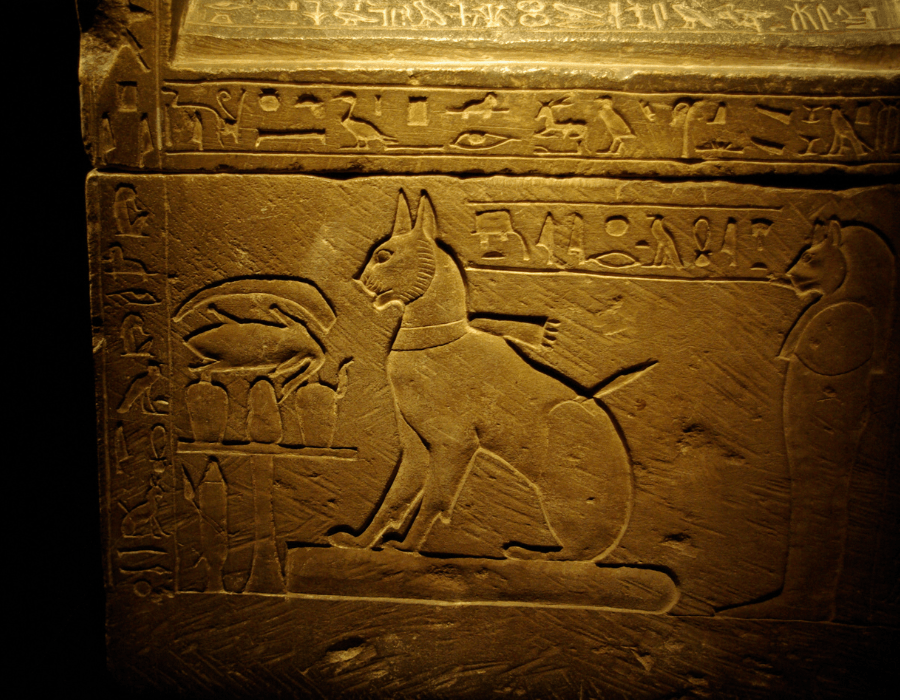
Bastet: Symbolism and Spiritual Meaning
The Bastet goddess symbol is a powerful representation of balance between gentleness and ferocity. Cats were revered in Egypt for their hunting skills, intelligence, and protective instincts, reflecting Bastet’s qualities.
Symbols Associated with Bastet Include:
| Symbol | Meaning |
|---|---|
| Cat | Grace, protection, domestic peace |
| Sistrum | Music, joy, celebration |
| Lioness | Strength, war, and protection |
| Ankh | Life and fertility |
| Arm bracelet or jewelry | Power and divinity |
Bastet Goddess Art, Symbols, and Spiritual Meaning in Egypt
Goddess Bastet Cat has inspired generations of artists, historians, and travelers, becoming a symbol of elegance, protection, and spiritual significance in ancient Egypt. Known as the Bastet Egyptian Cat Goddess, she was celebrated not only as a protector of homes and families but also as a divine figure representing joy, music, and fertility.
Visitors to Egypt in 2026 will find Bastet’s influence in statues, temple reliefs, paintings, and artifacts that showcase her importance in Egyptian life. Understanding what was Bastet goddess of and her spiritual symbolism helps travelers fully appreciate the depth of ancient Egyptian culture.
Bastet Goddess Art is characterized by its attention to detail, portraying her as a seated cat, a lioness, or a woman with a cat’s head. These images often highlight her graceful posture and calm yet powerful presence.
In temples and museums, such as the Egyptian Museum in Cairo and Alexandria’s local collections, travelers can observe intricate Bastet Egyptian Goddess Art depicting her with the sistrum—a sacred musical instrument used in rituals to honor her. Through art, Bastet’s dual nature—both nurturing and protective—is vividly expressed, reflecting the Egyptians’ reverence for feline energy in daily life.
Goddess Bastet Symbols are central to understanding her spiritual role. Cats were sacred animals under her protection, symbolizing agility, independence, and vigilance. Other significant symbols include the ankh, representing life, and the lotus flower, signifying rebirth and purity.
These symbols appear in Bastet statues, carvings, and ceremonial objects, providing travelers with a glimpse into the spiritual world of ancient Egypt. Observing these symbols helps visitors grasp why the cat goddess Bastet was celebrated in homes and temples, and why cats were often mummified and revered in Egyptian society.
The spiritual meaning of Bastet Goddess extends beyond protection. She was associated with family harmony, joy, music, and celebrations. During the Bastet festival, held in Bubastis (her main cult center), Egyptians celebrated with music, dance, and offerings to honor her blessings.
Today, travelers visiting Egypt in 2026 can imagine the vibrant energy of these ancient festivals when exploring archaeological sites and museum exhibits. Understanding what is Bastet goddess of in this context enriches the cultural experience and provides a meaningful connection to Egyptian traditions.
For modern travelers, exploring ancient Egypt Bastet Goddess sites offers both educational and immersive experiences. Consider visiting temples, art collections, and historical neighborhoods where Bastet’s imagery is preserved. Guided tours can highlight Bastet goddess spiritual meaning, artistic depictions, and historical anecdotes, ensuring visitors gain a deep appreciation for the ancient Egyptian goddess Bastet.
Travel Tip: While exploring Bastet artifacts and statues, pay attention to her posture, facial expressions, and accompanying symbols, as these details reveal stories of protection, power, and divine grace. Taking photographs and notes will enhance your journey and make your exploration of Bastet’s legacy more memorable.
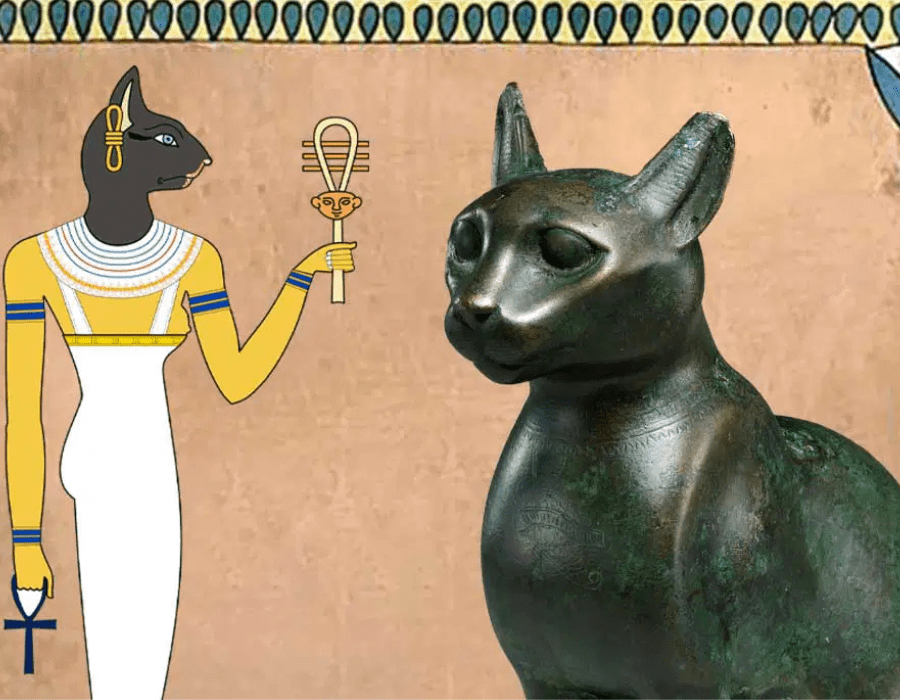
Ancient Egypt, Cats, and Bastet’s Role in Egyptian Culture
Ancient Egypt Goddess Bastet played a central role in the spiritual and daily life of the Egyptians, with cats at the heart of her symbolism. Revered as the Egyptian goddess Bastet cat, she represented protection, fertility, music, and domestic harmony. Cats were not just pets; they were sacred animals and an integral part of ancient Egyptian society. For travelers visiting Egypt in 2026, learning about ancient cats of Egypt and Bastet’s influence offers a fascinating glimpse into the connection between religion, daily life, and art in one of the world’s most remarkable civilizations.
Bastet’s evolution from a lioness warrior goddess to the gentle Bastet cat goddess reflected the Egyptians’ appreciation for both strength and domestic protection. She was worshipped as a guardian of homes and a protector against evil spirits. Temples dedicated to Bastet, especially in Bubastis, her primary cult center, featured statues, carvings, and reliefs of cats and lionesses. Ancient Egyptians believed that cats carried Bastet’s power, and their presence in homes and temples symbolized divine protection. This is why ancient cats in Egypt were often mummified and buried with offerings, emphasizing their sacred status.
Cats in Ancient Egypt had a unique social and religious significance. Beyond their association with Bastet, they were admired for their hunting skills, which protected grain stores from rodents. This practical value elevated their spiritual importance, making them symbols of prosperity and safety. Archaeologists have uncovered numerous ancient cat Egypt artifacts, including statues, jewelry, and murals, depicting cats in both domestic and divine contexts. These artifacts reveal why Egyptians worshiped cats and how the ancient Egypt cat god became central to their religious practices.
Here’s a quick overview of Bastet and cats in ancient Egypt:
| Aspect | Description |
|---|---|
| Goddess | Bastet, protector of home, fertility, and family |
| Sacred Animal | Cat, symbol of grace, protection, and vigilance |
| Temples | Bubastis, featuring statues, reliefs, and ceremonial sites |
| Artifacts | Statues, jewelry, murals, mummified cats |
| Spiritual Role | Guardian against evil, promoter of joy, music, and celebrations |
| Festivals | Annual Bastet festival with music, dancing, and offerings |
Understanding the ancient cats Egypt connection enriches the travel experience. Visiting museums and archaeological sites allows travelers to see ancient cat Egypt artifacts firsthand and appreciate the reverence Egyptians had for both Bastet and her sacred animals. Many guides share stories about the ancient cats of Egypt, revealing why families would honor their feline companions with ritual offerings and mummification.
Travel Tip: When exploring temples and museums in Egypt, look for Bastet statues with feline features and accompanying symbols like the sistrum or ankh. Observing these details gives insight into her dual nature: the protector of families and the sacred guardian of cats.
By understanding why did ancient Egypt worship cats, travelers can connect more deeply with Egyptian culture, history, and religion. Experiencing Bastet’s legacy in modern Egypt offers a unique blend of mythology, art, and historical insight, making every visit to museums, temples, and archaeological sites truly unforgettable.
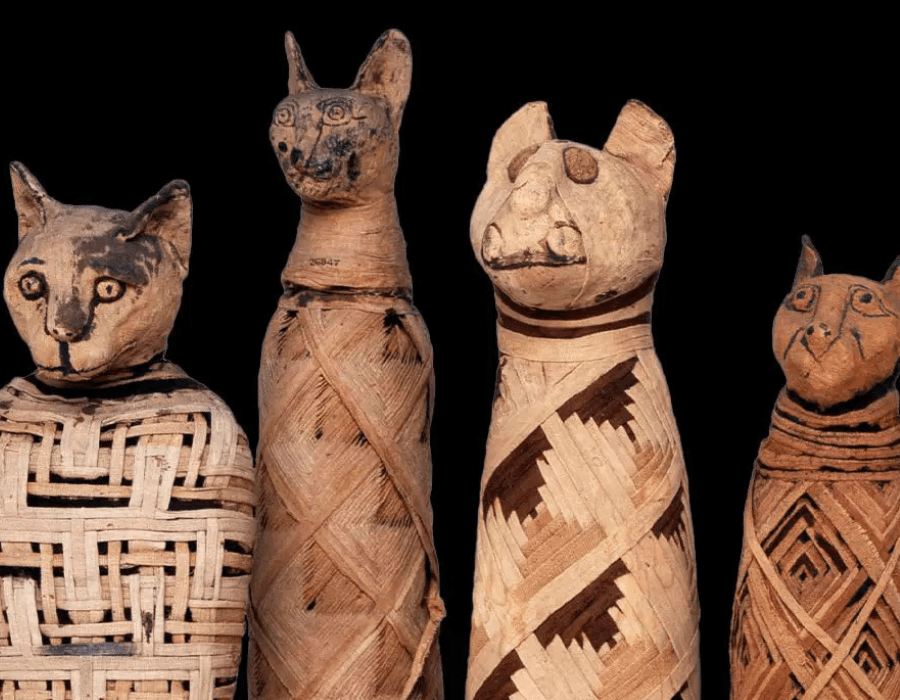
Cats in Ancient Egypt – Gods, Mummies, and Facts 2026
Cats in Ancient Egypt were far more than beloved pets—they were sacred beings connected to the divine, particularly the Bastet Egyptian Goddess. Worshipped across temples and households, cats symbolized protection, grace, and spiritual power. For travelers exploring Egypt in 2026, understanding cats ancient Egypt offers a fascinating perspective on religion, daily life, and the enduring legacy of cat gods in ancient Egypt. Bastet, also known as the cat goddess Bastet, played a crucial role in this reverence, combining both protective and nurturing qualities that captivated the Egyptians for centuries.
The relationship between Egyptians and cats was deeply spiritual. Cats were seen as earthly embodiments of Bastet, the Egyptian cat goddess Bastet, safeguarding homes from evil spirits and misfortune. Ancient families kept cats as household guardians, and their sacred status was reinforced through elaborate rituals and mummy cats in ancient Egypt. Archaeologists have uncovered mummified cats carefully prepared with offerings, emphasizing their role as both spiritual protectors and companions. This connection explains why cats held a prestigious place in ancient Egypt cat history, blending practical utility with religious devotion.
Cat Gods in Ancient Egypt were numerous, but Bastet stood out as the most prominent. While initially depicted as a lioness symbolizing war and protection, she evolved into the domestic Bastet cat goddess Egyptian, embodying peace, fertility, and joy. Other feline deities existed, but none matched the widespread worship of Bastet, whose temples and statues appeared throughout Egypt, particularly in Bubastis, her primary cult center. Travelers visiting these sites can see her Bastet statues, artwork, and symbols, gaining insight into the spiritual and artistic importance of cats in ancient Egyptian society.
Here’s a quick summary of cats in ancient Egypt:
| Aspect | Description |
|---|---|
| Divine Connection | Bastet, protector goddess of cats and homes |
| Sacred Animals | Cats, revered for agility, hunting, and spiritual protection |
| Cultural Practices | Mummification, offerings, and temple rituals |
| Iconography | Bastet statues, cat figurines, wall carvings |
| Festivals | Annual Bastet festival in Bubastis with music, dance, and worship |
| Historical Facts | Cats were considered guardians, spiritual companions, and symbols of prosperity |
Cats of Ancient Egypt also played a significant role in art and symbolism. From black cats in ancient Egypt representing mystery and protection to intricate carvings and paintings, cats were central to daily and spiritual life. Travelers can explore ancient Egypt cats facts in museums like the Egyptian Museum in Cairo, where artifacts tell stories of devotion, mythology, and the bond between humans and their feline guardians.
Travel Tip: While visiting Egypt in 2026, make sure to see cat goddess Bastet statues and associated artifacts. Respect preservation rules, observe details like posture, eyes, and accompanying symbols, and consider guided tours for in-depth explanations of cats ancient Egypt. This enhances both cultural understanding and travel experience, making your journey through Egypt’s mystical past unforgettable.
Understanding cat god ancient Egypt traditions, including bastet brewing rituals and ceremonial practices, gives travelers a complete picture of how intertwined cats were with religion, protection, and daily life. Experiencing these connections firsthand offers a rare glimpse into one of history’s most fascinating civilizations.
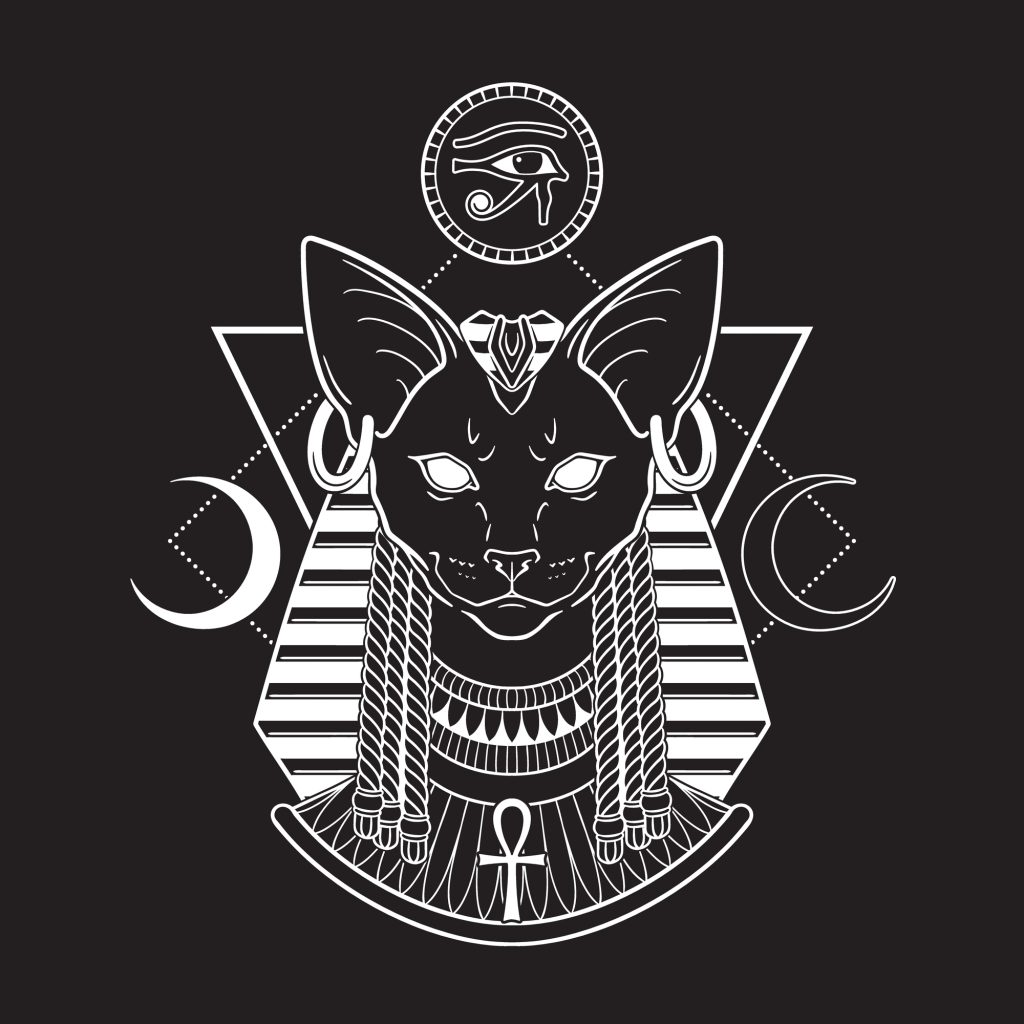
Bastet Statues, Symbols, and Associations with Other Gods in Egypt
Bastet, the beloved ancient Egyptian goddess Bastet, has inspired awe for thousands of years, and her statues, symbols, and associations with other gods highlight her significance in Egyptian religion. Known primarily as the Bastet Egyptian Goddess of Cats, she was a guardian, nurturer, and protector, revered across homes and temples. Travelers visiting Egypt in 2026 can experience her legacy through numerous artifacts, statues, and art pieces, offering insights into her spiritual and cultural impact.
Bastet Statues are among the most iconic depictions of this goddess. She is often represented as a seated cat, a lioness, or a woman with a cat’s head. These Bastet cat goddess Egyptian statues symbolize protection, domestic harmony, and vigilance. Many of these statues are displayed in museums, such as the Egyptian Museum in Cairo and Alexandria’s local collections, as well as in historical temples like Bubastis, her main cult center. The statues often carry sacred symbols, including the sistrum, used in musical rituals, and the ankh, representing life, demonstrating her dual nature as a gentle protector and powerful divine force.
Bastet Symbols played an essential role in ancient Egyptian culture. Beyond the cat, her symbols included musical instruments, lotuses, and ceremonial items used in rituals. These symbols were believed to carry her protective energy, which safeguarded homes, families, and crops. Statues of Bastet were often placed at entrances to homes or temples, reflecting the belief that she could ward off evil spirits. Travelers interested in Egyptian art and religion can observe Bastet goddess symbols in temples, museums, and historical carvings, providing a tangible connection to her sacred presence.
Associations with Other Gods further emphasize Bastet’s role in the Egyptian pantheon. She is sometimes linked to Anubis and Bastet, highlighting connections with protection and the afterlife, as Anubis was the god of mummification and funerary rites. Likewise, associations with Sekhmet and Bastet showcase the duality of feline goddesses: Sekhmet represented ferocity and war, while Bastet symbolized peace, home, and family. These relationships illustrate the Egyptians’ complex understanding of divine power and the balance between protection and nurturing in their mythology.
For travelers in Egypt 2026, exploring Bastet’s statues and symbols offers both educational and immersive experiences. Observing her Bastet Egyptian goddess statue with its intricate details, sacred instruments, and feline grace helps visitors appreciate why cats were venerated in daily life and religious rituals. Learning about Bastet brewing rituals, offerings, and temple ceremonies provides context for her spiritual significance.
Travel Tip: When visiting Bastet-related sites, take the time to study the details of statues, symbols, and inscriptions. These subtle elements reveal the goddess’s protective powers, her association with other deities, and the importance of cats in ancient Egypt. Guided tours often provide fascinating stories about her influence on culture, religion, and art.
By connecting with Bastet cat goddess, travelers can truly understand her enduring legacy. Experiencing her statues, symbols, and associations with other gods enriches any Egyptian itinerary, offering a deeper connection to history, mythology, and the sacred bond between humans and cats.
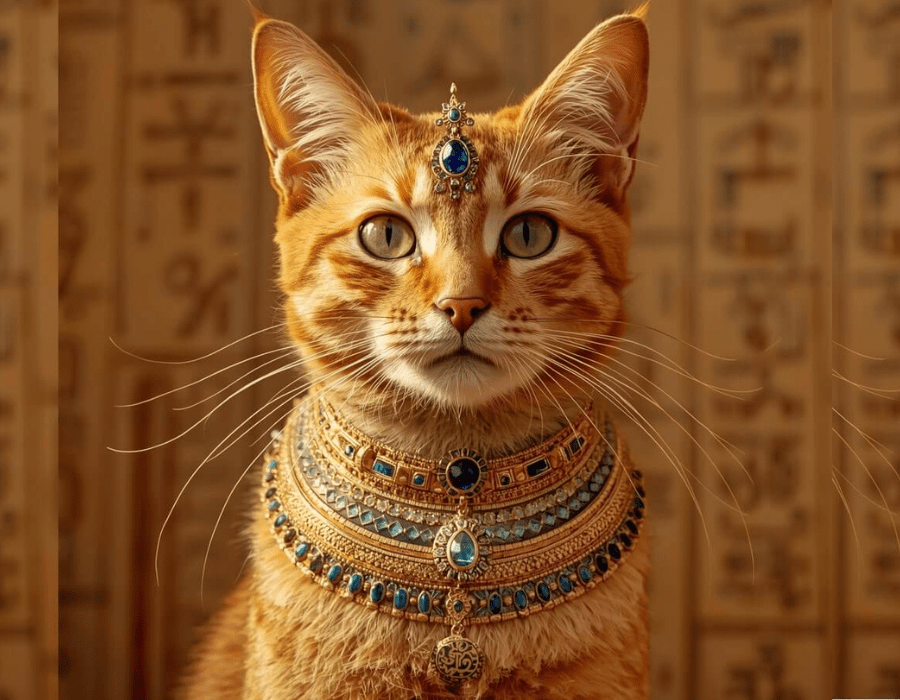
Top 10 Secrets of the Cat Goddess Bastet in 2026
Bastet, the Egyptian cat goddess, is one of the most intriguing deities of ancient Egypt. Revered for thousands of years, she embodies protection, fertility, joy, and the sacred bond between humans and cats. For travelers exploring Egypt in 2026, discovering her secrets adds depth to museum visits, temple tours, and cultural exploration. Here are the top 10 secrets of the cat goddess Bastet you need to know:
1. Bastet Started as a Lioness
Originally, Bastet was depicted as a fierce lioness goddess representing war and protection. Over time, she transformed into the domestic cat figure known today, symbolizing grace, nurturing, and guardianship of homes.
2. She Was the Protector of the Home
Bastet was believed to safeguard families from evil spirits and misfortune. Egyptians kept cats in their homes as living symbols of her divine protection.
3. Sacred Cats Were Her Followers
Cats in ancient Egypt were more than pets—they were sacred animals representing Bastet’s power. Mummified cats, statues, and jewelry reveal how deeply Egyptians revered these animals.
4. She Had a Dual Nature
Bastet balanced fierceness with gentleness. While she could fight enemies like a lioness, she also promoted peace, music, and joy within households.
5. Bastet Had Iconic Symbols
The sistrum (ritual musical instrument), the ankh (symbol of life), and lotus flowers were all associated with her. These symbols represented protection, fertility, and spiritual energy.
6. Bastet’s Festivals Were Extravagant
The annual festival at Bubastis, her main cult center, featured music, dancing, feasting, and offerings. Travelers today can imagine the vibrant celebrations through historical accounts and temple ruins.
7. She Was Linked to Other Gods
Bastet had connections with deities like Anubis, god of the afterlife, and Sekhmet, the lioness goddess of war. These associations emphasized her role as both protector and nurturer.
8. Bastet Inspired Ancient Art
From statues to wall carvings, paintings, and jewelry, Bastet’s image was a central theme in Egyptian art. Museums in Cairo and Alexandria showcase Bastet Egyptian goddess art that continues to inspire travelers today.
9. She Represented Fertility and Family
Bastet’s influence extended beyond protection—she was also a goddess of fertility, motherhood, and domestic harmony. Families often sought her blessings for prosperity and health.
10. Visiting Her Legacy Is a Must in 2026
Exploring temples, statues, and ancient artifacts connected to Bastet is an unforgettable experience. Egypt Time Travel offers expert tours that guide travelers through her history, her sacred cat companions, and the artistry celebrating her divine presence.
Travel Tip: While visiting Bastet-related sites, look for subtle details in statues, wall carvings, and symbols. Each element tells a story about her power, protection, and influence over ancient Egyptian life.
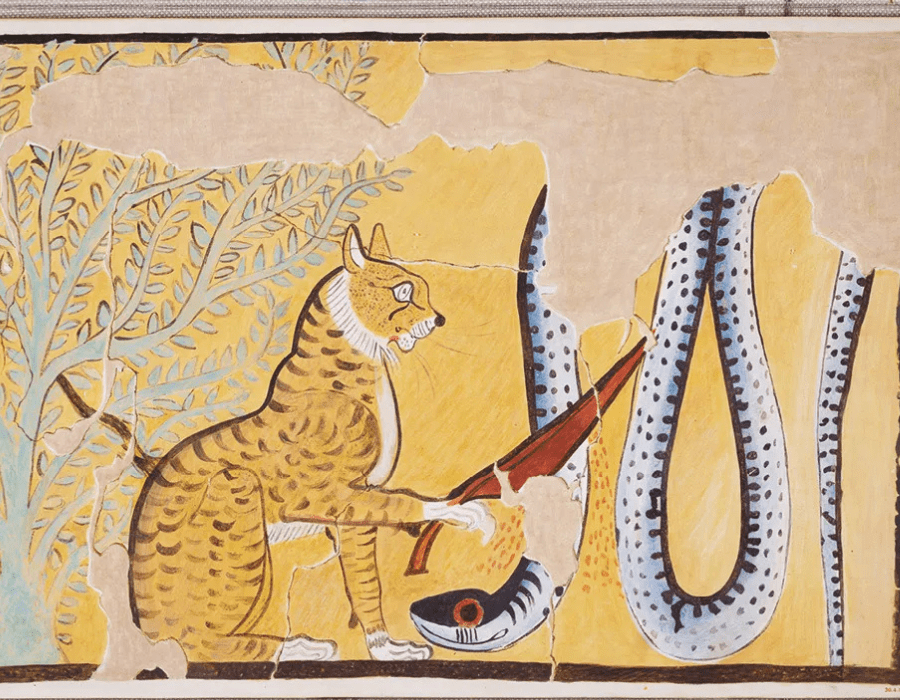
Conclusion: Explore Bastet Egyptian Goddess with Egypt Time Travel
The Bastet Egyptian Goddess remains one of the most captivating figures in ancient Egyptian history. From her sacred role as the goddess of cats to her depictions in statues, art, and spiritual symbols, Bastet embodies protection, joy, and divine grace. Exploring her temples, Bastet statues, and cat-related artifacts offers travelers an immersive journey into the rich culture and mythology of Egypt. Understanding her associations with other gods, her spiritual significance, and the reverence for cats in ancient society makes every visit to museums and archaeological sites more meaningful.
For travelers in 2026, experiencing Bastet’s legacy firsthand is a unique opportunity. Whether admiring her elegant Bastet cat goddess Egyptian statues, learning about sacred rituals, or exploring ancient festivals and offerings, visitors gain a deeper appreciation for the ancient Egyptian goddess Bastet and the enduring cultural bond between Egyptians and cats.
Book Your Journey with Egypt Time Travel: As the best travel agency in Egypt in 2026, Egypt Time Travel offers expertly curated tours that highlight Bastet’s temples, artifacts, and ancient cat heritage. Let us guide you through the mystical world of Bastet, ensuring a safe, memorable, and educational adventure. Don’t miss the chance to explore the wonders of Egypt while connecting with its sacred history—reserve your trip today!
