
Quick Answer: What are the best cities to visit in Egypt in 2027?
The best cities to visit in Egypt in 2027 include Cairo, Giza, Luxor, Aswan, Alexandria, Hurghada, and Sharm El Sheikh. Cairo and Giza are ideal for pyramids and museums, Luxor and Aswan for ancient temples and Nile experiences, Alexandria for Mediterranean history, and Hurghada and Sharm El Sheikh for beaches. Dahab, Marsa Alam, Fayoum, Port Said, and Siwa offer rewarding alternatives.
Egypt looks different depending on where you decide to stay. In Cairo, medieval streets and busy contemporary neighborhoods sit within reach of ancient pyramid fields. In Luxor, temple columns rise above the Nile Valley. In Aswan, boats cross the river between granite islands and Nubian communities. Along the Red Sea, coastal towns offer coral reefs and a completely different rhythm.
Choosing the right places matters more than collecting as many city names as possible. A week spent moving constantly between distant locations may deliver less than four well-planned days in Cairo and Luxor.
This guide compares 12 Egyptian travel bases for 2027, including their attractions, ideal visit lengths, transportation options, seasonal differences, and the travelers most likely to enjoy them.
Which Cities in Egypt Are Worth Visiting?
For most first-time visitors, Cairo, Giza, Luxor, and Aswan form the strongest cultural foundation for an Egypt itinerary. Alexandria adds Mediterranean history, while Hurghada or Sharm El Sheikh adds time by the sea.
The other locations become more valuable when you have additional days or a particular interest, such as diving, desert scenery, local culture, or the Suez Canal.
Egypt’s best cities and travel bases at a glance
|
Place |
Best reason to visit |
Suggested time |
Best suited for |
|---|---|---|---|
|
Cairo |
Museums, Islamic architecture, markets |
2–4 days |
First-time visitors |
|
Giza |
Pyramids, Sphinx, Grand Egyptian Museum |
1–2 days |
Ancient history |
|
Luxor |
Temples, royal tombs, archaeology |
2–3 days |
History enthusiasts |
|
Aswan |
Nile scenery, Nubian heritage, Philae |
2–3 days |
Culture and relaxation |
|
Alexandria |
Mediterranean coast, Greco-Roman heritage |
1–2 days |
Coastal city breaks |
|
Hurghada |
Beaches, snorkeling, resort holidays |
3–5 days |
Families and beach lovers |
|
Sharm El Sheikh |
Diving, resorts, Sinai coastal scenery |
3–5 days |
Couples and divers |
|
Dahab |
Relaxed seaside atmosphere, snorkeling |
2–4 days |
Independent travelers |
|
Marsa Alam |
Marine life, quieter coastal stays |
3–5 days |
Nature lovers |
|
Fayoum |
Lake scenery, pottery, desert excursions |
1–2 days |
Short escapes from Cairo |
|
Port Said |
Suez Canal, port history, waterfront |
1 day |
Returning visitors |
|
Siwa Oasis |
Oasis culture, desert landscapes |
2–4 days |
Slow travel and adventure |
These are editorial planning recommendations, not official visit-duration requirements. The list includes major cities, smaller towns, resort areas, and one oasis settlement.
The most useful distinction is between a city worth visiting and a city worth using as a base. Cairo, Luxor, and Aswan reward extended stays. Giza can be explored from a Cairo hotel. Fayoum often works as a short excursion, while Siwa is better treated as a separate journey.
Where Are Egypt’s Main Tourist Cities Located?
Egypt’s principal visitor locations are spread across four geographical areas: the Nile Valley, the Mediterranean coast, the Red Sea and Sinai, and the Western Desert.
Understanding this layout can prevent expensive or tiring travel mistakes.
The Nile Valley: Cairo, Giza, Luxor, and Aswan
The Nile Valley contains Egypt’s most recognizable archaeological sites and several of its principal cultural cities.
Cairo and Giza form the northern metropolitan gateway. Luxor lies farther south, followed by Aswan in southern Egypt.
For travelers mainly interested in Ancient Egypt, this geographical sequence creates a logical itinerary:
Cairo and Giza → Luxor → Aswan
The route follows the Nile Valley rather than repeatedly crossing the country. Travelers can use a combination of trains, domestic flights, road transfers, and Nile cruises.
The Mediterranean coast: Alexandria and Port Said
Alexandria lies northwest of Cairo on the Mediterranean. Port Said is farther east, at the Mediterranean entrance to the Suez Canal.
Although both cities have coastal identities, they offer different experiences. Alexandria is the stronger general sightseeing choice, while Port Said appeals to travelers interested in maritime history and modern Egypt.
The Red Sea and Sinai: Hurghada, Marsa Alam, Sharm El Sheikh, and Dahab
Hurghada and Marsa Alam are on the African mainland side of the Red Sea. Sharm El Sheikh and Dahab are on the Sinai Peninsula.
These places are not interchangeable. A hotel in Hurghada does not place you near Sharm El Sheikh simply because both overlook the Red Sea.
In most cases, travelers should choose one Red Sea coastal region rather than attempt to combine several on a short trip.
The Western Desert: Fayoum and Siwa
Fayoum is relatively accessible from Cairo and suits short excursions. Siwa is much farther west, close to Egypt’s western border region, and requires significantly more travel planning.
Both provide alternatives to temple-heavy itineraries, but their distances, landscapes, and logistical demands are very different.
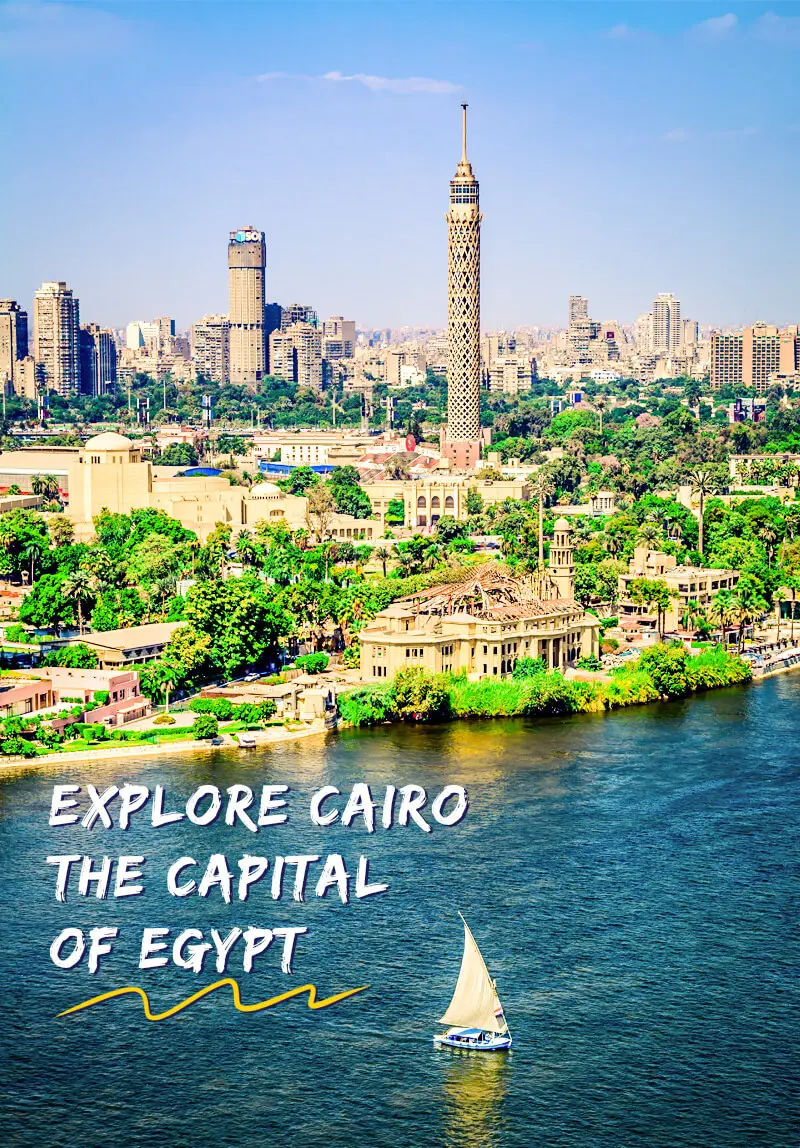
12 Best Cities and Places to Visit in Egypt in 2027
The following locations are arranged around their usefulness to travelers, rather than an official popularity ranking. Each offers a different reason to visit, and not every destination belongs on every itinerary.
Cairo: Best for First-Time Visitors, Museums, and Egyptian Culture
Cairo is Egypt’s capital and the natural starting point for many international trips. It offers much more than access to the pyramids: historic mosques, Coptic churches, museums, distinctive neighborhoods, traditional markets, and an active contemporary cultural scene.
The city can feel intense. Traffic can be heavy, journeys between districts take time, and a single street can shift from quiet residential life to a busy commercial area.
Yet Cairo rewards visitors who plan by neighborhood rather than treating the entire metropolis as one sightseeing zone.
What should you see in Cairo?
Begin with the historic neighborhoods.
Islamic Cairo contains remarkable medieval architectural heritage, including mosques, gates, religious complexes, and streets associated with centuries of trade. Al-Muizz Street is particularly rewarding for travelers interested in historic architecture and urban photography.
Explore the background to the area in Egypt Time Travel’s Islamic Cairo guide.
Khan El Khalili is a historic market district where visitors can browse traditional crafts, metalwork, textiles, fragrances, and souvenirs. It is also worth visiting for its atmosphere, even if you do not intend to shop.
Coptic Cairo reveals a different layer of the city’s history. The area includes important churches and religious monuments, among them the Hanging Church and the Church of Saints Sergius and Bacchus.
For a more focused visit, explore the religious and historical landmarks of Coptic Cairo.
Cairo’s museums also deserve substantial time. The Egyptian Museum in Tahrir Square and the National Museum of Egyptian Civilization provide different perspectives on Egypt’s material and cultural heritage.
The Grand Egyptian Museum, meanwhile, is located in Giza and is best organized alongside sightseeing on that side of the metropolitan area.
What makes Cairo different from other Egyptian cities?
Cairo is a living capital, not an archaeological park.
Its streets are home to millions of daily routines: commuting, family gatherings, evening shopping, markets, cafés, and local businesses. These experiences are part of visiting the city, even when they are not mentioned in attraction lists.
One morning might involve historic mosque architecture; the afternoon could be devoted to a museum; the evening might take you to a Nile-facing restaurant or a traditional street market.
The challenge is balancing sightseeing with the realities of a large urban area.
How many days should you spend in Cairo?
Three days is a practical starting point for first-time visitors, especially if Giza is included.
A useful arrangement is:
-
Day 1: Historic Cairo and Khan El Khalili.
-
Day 2: Giza Plateau and the Grand Egyptian Museum.
-
Day 3: Coptic Cairo and another museum or neighborhood.
With four days, travelers can slow the pace, visit Saqqara and Dahshur, or spend additional time discovering Cairo beyond the major attractions.
Trying to fit the pyramids, multiple museums, Islamic Cairo, and Coptic Cairo into one day usually creates an unnecessarily rushed experience.
Where should you stay in Cairo?
Downtown Cairo is useful for visitors who value historic atmosphere and proximity to central attractions. Zamalek offers Nile surroundings and a comparatively residential environment, while hotel areas closer to Giza can suit travelers prioritizing the pyramids and Grand Egyptian Museum.
Accommodation choice should depend on your itinerary, not simply the lowest room price.
Egypt Time Travel’s guide to where to stay in Cairo explains the main accommodation areas.
Best for: First-time visitors, cultural travelers, architecture enthusiasts, photographers, and travelers seeking a mix of historic and modern Egypt.
Consider skipping or shortening your stay if: Your trip is exclusively for beaches or you have very limited time and prefer a quieter environment.
Editorial recommendation: Make Cairo your cultural starting point, but plan Giza and central Cairo as separate sightseeing areas.
Giza: Best for the Pyramids, Sphinx, and Grand Egyptian Museum
Giza is often described as part of a Cairo visit, but it is a separate Egyptian city within the wider metropolitan area.
For travelers, the distinction matters because many of Egypt’s most famous ancient monuments are actually located in Giza rather than central Cairo.
The Pyramids of Giza, the Great Sphinx, and the Grand Egyptian Museum create one of the country’s strongest combinations of ancient history and modern museum interpretation.
What should you see in Giza?
The essential attraction is the Giza Necropolis, the pyramid complex on the Giza Plateau.
Its principal monuments include:
-
The Great Pyramid of Khufu.
-
The Pyramid of Khafre.
-
The Pyramid of Menkaure.
-
The Great Sphinx.
-
Associated temples, tombs, and archaeological remains.
The Great Pyramid was built for Khufu, a Fourth Dynasty pharaoh, and is the oldest surviving Wonder of the Ancient World.
Understanding its original purpose and construction context makes a visit considerably more meaningful than simply photographing the exterior.
Travelers can explore those details in the Great Pyramid of Cheops guide.
Is the Grand Egyptian Museum worth visiting in 2027?
Yes. The Grand Egyptian Museum is an important addition to a Giza itinerary, particularly for travelers who want to understand the objects, artistic traditions, and royal histories behind the monuments.
The museum’s official visitor information currently includes the Tutankhamun Galleries, main galleries, Grand Hall, Grand Stairs, and Khufu’s Boats Museum.
One of the most rewarding aspects of a Giza-based visit is the opportunity to view monuments and museum collections within the same general area.
The Tutankhamun exhibition at the Grand Egyptian Museum offers a useful starting point for planning this part of the day.
Allow enough time for both attractions. A comprehensive pyramid visit and a large museum visit can be physically demanding if you try to compress them into a few hours.
Should you stay in Giza or Cairo?
Stay in Giza if pyramid views and proximity to the archaeological sites are priorities.
Stay in central Cairo if your main interests include historic neighborhoods, local restaurants, the Egyptian Museum in Tahrir Square, and evening city experiences.
Neither choice is universally better. The ideal location depends on which attractions you plan to visit first and how much time you are prepared to spend in traffic.
Recommended duration: One or two days, usually as part of a wider Cairo stay.
Best for: Ancient Egyptian history, photography, families with older children, and travelers visiting the pyramids for the first time.
Important limitation: Pyramids and tomb interiors may involve steep passages, uneven surfaces, confined spaces, or additional admission arrangements. Check individual access conditions before booking.
Luxor: Best for Temples, Pharaohs, and Royal Tombs
Luxor is one of the most important archaeological cities in Egypt. It occupies the landscape of ancient Thebes, a major political and religious center whose monuments remain visible across both banks of the Nile.
The city’s historical importance is unusually easy to appreciate because its principal sites reveal different aspects of ancient Egyptian society.
Karnak and Luxor Temple show religious architecture on a monumental scale. The Valley of the Kings demonstrates royal burial traditions. Mortuary temples, tombs, and museums help connect the pharaohs with the artisans, priests, administrators, and communities who sustained their world.
Why is Luxor one of Egypt’s most important cities?
Ancient Thebes played a leading role during major periods of Egypt’s history, particularly the New Kingdom.
Its temple complexes were associated with powerful religious institutions, while royal tombs were constructed in the desert valleys on the western bank of the Nile.
Unlike many ancient capitals whose buildings disappeared beneath later settlements, substantial parts of the Theban religious and funerary landscape remain accessible.
That is why Luxor offers a level of archaeological concentration that few cities can match.
What are the best places to visit in Luxor?
Start with the East Bank.
Karnak Temple is an extensive religious complex developed over many centuries. Its famous Great Hypostyle Hall contains towering columns decorated with inscriptions and reliefs.
Luxor Temple offers a different atmosphere, particularly around its entrance and monumental colonnades. Visiting later in the day can be rewarding, subject to the operating hours in effect during your trip.
Across the Nile, the West Bank contains major royal and funerary monuments.
The Valley of the Kings includes tombs of New Kingdom rulers. Different tombs may be open at different times, and special tombs can involve separate admission.
The Mortuary Temple of Hatshepsut at Deir el-Bahari stands against a dramatic limestone cliff. Its terraces and colonnades create one of the most distinctive architectural compositions in Egypt.
Other worthwhile stops include the Colossi of Memnon, Medinet Habu, the Ramesseum, and selected tombs of nobles.
Should you visit Luxor’s East Bank or West Bank first?
There is no universal rule, but the West Bank is often a good choice for an early start.
The royal tombs and mortuary temples are exposed archaeological sites, and conditions can become hot, particularly in late spring and summer.
A well-paced two-day arrangement is:
Day 1: Valley of the Kings, Hatshepsut Temple, and one additional West Bank site.
Day 2: Karnak Temple, Luxor Temple, and Luxor Museum if time permits.
Travelers with three days can visit more sites without rushing or add a quieter experience by the Nile.
Is a hot-air balloon ride in Luxor worthwhile?
A sunrise balloon experience offers a different perspective on Luxor’s agricultural fields, desert edge, and West Bank archaeological landscape.
However, balloon flights are weather-dependent and must be operated under appropriate safety procedures.
It is better to book with a reputable licensed operator and avoid treating the flight as guaranteed. Strong winds or operational restrictions may prevent departures.
Do not arrange an important onward flight immediately after a time-sensitive activity without sufficient flexibility.
How long do you need in Luxor?
Two full sightseeing days are an appropriate minimum for the city’s essential monuments.
Three days are preferable for travelers interested in Egyptology, photography, tomb decoration, or a less intensive experience.
For additional archaeological context, the city’s museums and lesser-known tombs often provide more value than squeezing in a distant excursion.
Best for: Ancient history, archaeology, photography, educational travel, and serious cultural sightseeing.
Less suited for: Travelers seeking a beach resort or those uncomfortable with prolonged walking in exposed heat.
Editorial recommendation: If you can choose only one place after Cairo for Ancient Egyptian history, Luxor should be near the top of your list.
Aswan: Best for Nile Scenery, Nubian Culture, and a Slower Pace
Aswan has a noticeably different character from Cairo and Luxor.
The Nile moves around islands and granite outcrops, palm-lined shores shape the landscape, and boats form an important part of the visitor experience. The city’s atmosphere often feels more relaxed than Egypt’s larger urban centers.
Aswan is also a gateway to understanding Nubian history and culture, which have influenced the region for thousands of years.
What makes Aswan special?
Aswan’s location near the First Cataract of the Nile made it strategically important in ancient times.
The region connected Egypt with lands farther south, supporting trade, military movements, cultural exchange, and the movement of goods and ideas.
Ancient quarrying sites around Aswan supplied granite used in some of Egypt’s most important monuments.
Today, visitors can explore archaeological remains, contemporary Nubian cultural institutions, islands, and river landscapes within a relatively compact area.
For additional historical and travel context, see the City of Aswan guide.
What are the best things to see in Aswan?
The Temple of Philae is one of the city’s essential attractions.
Dedicated principally to the goddess Isis, the temple complex now stands on Agilkia Island after being relocated as part of the international effort to protect Nubian monuments from flooding.
The boat approach makes the setting particularly memorable.
Elephantine Island contains archaeological remains and a living community. Exploring it provides a different perspective from visiting mainland museums or temple complexes.
The Nubian Museum is valuable for understanding Nubian history, heritage, and the effects of major changes to the region, including the construction of the Aswan High Dam.
Other notable sites include the Unfinished Obelisk and the Tombs of the Nobles at Qubbet el-Hawa.
A felucca sailing experience can provide a quieter view of the city and the surrounding islands, although wind conditions affect sailing arrangements.
Can you visit Abu Simbel from Aswan?
Yes. Aswan is a major starting point for excursions to the rock-cut temples at Abu Simbel, built during the reign of Ramesses II.
The journey requires significant travel time, whether arranged by road or through available flight connections.
The temples themselves are among the monuments relocated during the international Nubian rescue campaign.
For travelers with a strong interest in archaeology, Abu Simbel Temple may justify an additional day or an overnight arrangement nearby.
It is important to understand that Abu Simbel is not located within Aswan city. Advertising language sometimes makes the excursion sound easier than the real travel distances suggest.
How many days should you spend in Aswan?
Two days work well for Philae, Elephantine Island, the Nubian Museum, and time on the river.
Allow a third day if Abu Simbel is a priority, particularly when you prefer not to compress multiple excursions into one long schedule.
Travelers who enjoy slower travel may prefer an additional night beside the Nile rather than adding another city.
Should you take a Nile cruise between Luxor and Aswan?
A Nile cruise is a convenient option for visitors who want to experience several temples along the river without changing hotels every night.
Typical cruise itineraries include opportunities to visit sites around Edfu and Kom Ombo, depending on the route and cruise schedule.
However, a cruise does not necessarily replace dedicated sightseeing time in Luxor or Aswan. Some itineraries move efficiently through major stops, while others allow more flexibility.
Best for: Couples, cultural travelers, photography enthusiasts, travelers interested in Nubian heritage, and visitors seeking a calmer Nile experience.
Consider extending your stay if: You value river scenery, traditional sailing, and relaxed evenings more than maximizing attraction numbers.
Alexandria: Best for Mediterranean History and Coastal City Life
Alexandria lies on Egypt’s Mediterranean coast and offers a very different urban landscape from the Nile Valley.
Its wide seafront, historic districts, cafés, and layered Egyptian, Greek, and Roman heritage make it one of the country’s most interesting city breaks.
Founded by Alexander the Great in 331 BCE, Alexandria developed into a major center of Hellenistic culture, learning, commerce, and maritime activity.
Although much of the ancient city has changed or disappeared, significant archaeological remains and cultural institutions continue to reflect its history.
What are the best attractions in Alexandria?
The Citadel of Qaitbay stands beside the Mediterranean on the site historically associated with the ancient Lighthouse of Alexandria.
The citadel was constructed during the Mamluk period, long after the lighthouse ceased to exist. Visitors should not mistake the present fortress for the original ancient wonder.
The waterfront setting makes it an especially appealing stop for photography.
The Bibliotheca Alexandrina is a modern cultural institution inspired by Alexandria’s historical association with scholarship and the ancient library.
Its architecture and cultural facilities make it worth considering even for travelers who are not especially interested in ancient monuments.
For more background, visit the Library of Alexandria guide.
The Catacombs of Kom El Shoqafa reveal a striking mixture of Egyptian and Greco-Roman funerary traditions.
Pompey’s Pillar, associated with the Serapeum complex, is another important monument, although its popular name can create confusion about its actual historical origins.
Is Alexandria worth visiting if you have already seen Cairo?
Yes, particularly if you enjoy cities with distinct cultural identities.
Cairo emphasizes Islamic, Coptic, and broader Egyptian urban history. Alexandria introduces stronger Mediterranean and Greco-Roman associations alongside contemporary coastal life.
The contrast makes Alexandria a valuable addition rather than a smaller version of Cairo.
The Alexandria city guide provides a deeper introduction to its history and visitor attractions.
Can Alexandria be visited as a day trip from Cairo?
Yes. Rail and road connections make Alexandria a possible day trip, but the journey consumes several hours.
A day trip works best if you focus on a few major attractions rather than attempting to cover the entire city.
For a better experience, consider staying overnight. This allows time for the waterfront, cafés, and evening atmosphere without immediately returning to Cairo.
When is Alexandria most enjoyable?
Spring and autumn generally suit walking along the waterfront and exploring the city.
Summer attracts more domestic coastal travel, while winter may bring rain, wind, and cooler Mediterranean conditions.
Alexandria should not be treated as a year-round tropical beach location.
Recommended duration: One to two days.
Best for: Mediterranean culture, architecture, urban photography, historical sightseeing, and travelers who enjoy waterfront cities.
Editorial recommendation: Choose Alexandria when you want a different Egyptian urban experience, not simply another collection of pharaonic monuments.

Hurghada: Best for Red Sea Beaches, Families, and Resort Holidays
Hurghada is one of Egypt’s established Red Sea tourism centers.
Located on the mainland coast, it offers an extensive selection of hotels, resort areas, marine activities, and leisure experiences.
For travelers combining Ancient Egyptian sightseeing with beach time, Hurghada can be a practical addition to a Cairo–Luxor journey.
The city also provides access to nearby coastal resorts, islands, and marine excursion areas.
What can you do in Hurghada besides staying at a resort?
Beach relaxation is the primary attraction for many visitors, but Hurghada also has worthwhile activities beyond hotel facilities.
Boat excursions provide access to snorkeling areas and selected island beaches. The Giftun Island area is well known for its coastal scenery and marine environments.
Snorkeling offers an introduction to Red Sea marine life, while diving activities suit travelers with appropriate training or those booking professionally supervised introductory experiences.
Hurghada Marina offers restaurants, waterfront walks, and a different atmosphere from the private resort areas.
Some visitors also choose guided desert excursions, although these should be selected with attention to operator standards, environmental impacts, and realistic driving distances.
Is Hurghada better than Sharm El Sheikh?
Hurghada may be the better choice if you are combining a Red Sea stay with Luxor or prefer the range of resort areas along Egypt’s mainland coast.
Sharm El Sheikh may suit travelers who want to focus on the Sinai Peninsula, particular diving areas, or a dedicated resort holiday without visiting Upper Egypt.
Neither destination is automatically better for every visitor.
The deciding factors should be flight access, hotel location, suitable beaches, reef conditions, transportation, and the rest of the itinerary.
How long should you stay in Hurghada?
Three nights provide time to relax after sightseeing.
Four or five nights suit travelers who want to combine beach time with snorkeling, diving, and additional excursions.
For a longer holiday, the resort itself becomes an important choice. Families with young children may prioritize beach entry, swimming pools, and supervised activities, while divers may care more about boat access and marine conditions.
Is Hurghada suitable for children?
Hurghada can be a strong family choice because of its resort infrastructure.
However, not every beach has the same water entry, depth, or exposure. Some properties provide sandy swimming areas, while others rely heavily on jetties or have reef-sensitive access restrictions.
Choose accommodation based on actual beach and pool facilities rather than promotional images alone.
For more ideas beyond the resort, consult the things to do in Hurghada guide.
Best for: Families, couples, beach holidays, snorkeling, diving, and travelers seeking relaxation after Cairo or Luxor.
Consider alternatives if: Your main priority is ancient architecture or small-town cultural experiences rather than resort facilities.
Sharm El Sheikh: Best for Sinai Resorts, Diving, and Coastal Scenery
Sharm El Sheikh is a major resort center at the southern end of the Sinai Peninsula.
Its combination of modern hotels, established dive operations, protected marine environments, and coastal scenery makes it particularly appealing to visitors whose main goal is a Red Sea holiday.
Although Hurghada and Sharm El Sheikh are often compared, their locations lead to different travel experiences.
What are the best things to do in Sharm El Sheikh?
Sharm El Sheikh offers snorkeling and diving opportunities, beach resorts, boat excursions, and access to distinctive marine environments.
One of the region’s best-known natural attractions is Ras Mohammed National Park, near the southern tip of Sinai.
The park is associated with coral reef ecosystems and coastal habitats. Visitors should follow local environmental regulations, use appropriate operators, and avoid touching or damaging coral.
Diving is an important part of Sharm El Sheikh’s tourism identity, but suitable sites depend on experience, qualifications, weather, sea conditions, and operator assessments.
Travelers who do not dive can still enjoy the coast through suitable snorkeling excursions, glass-bottom boat experiences, and resort activities.
Which part of Sharm El Sheikh should you stay in?
Naama Bay is associated with established tourism facilities, restaurants, and a busy resort atmosphere.
Sharks Bay and surrounding hotel areas offer various resort experiences, often with access to marine activities. Nabq has additional large resort developments, although location and beach conditions vary.
Do not assume that every hotel advertised as beachfront has an easily accessible sandy swimming area.
Some reef-front properties use jetties, and conditions can be unsuitable for inexperienced swimmers or young children.
Can you combine Sharm El Sheikh with Cairo?
Yes. Domestic flights, when available on suitable schedules, can make Cairo and Sharm El Sheikh a practical combination.
Long-distance road travel is also possible, but the distance and conditions should be considered carefully.
A common travel pattern is to spend the cultural portion of the holiday in Cairo and finish with several nights in Sharm El Sheikh before departing.
Is Sharm El Sheikh good for a first Egypt trip?
Yes, provided the trip includes enough cultural sightseeing to match your interests.
If your only goal is a seaside vacation, Sharm El Sheikh can work as the principal base.
However, travelers hoping to see the pyramids, Luxor’s temples, and Abu Simbel should not assume those landmarks are nearby.
For a closer look at attractions and activities, consult the Sharm El Sheikh travel guide.
Recommended duration: Three to five days for a resort-focused visit.
Best for: Couples, families, diving enthusiasts, and travelers seeking a structured beach holiday.
Important consideration: Visa and entry arrangements for travelers remaining within certain Sinai areas can differ from those traveling throughout Egypt. Verify the rules applying to your nationality and intended route.
Dahab: Best for Independent Travelers and Relaxed Red Sea Experiences
Dahab lies on the Gulf of Aqaba in southeastern Sinai, north of Sharm El Sheikh.
Compared with Egypt’s larger resort centers, Dahab offers a more informal atmosphere, with seaside cafés, small hotels, diving businesses, and mountain scenery.
It attracts travelers who prefer an independent coastal stay rather than spending most of their holiday within a large resort complex.
What makes Dahab different from Sharm El Sheikh?
Dahab’s appeal is less about extensive resort facilities and more about its coastal environment and pace.
Some visitors come for diving and snorkeling. Others enjoy the seafront, independent restaurants, relaxed accommodation, and opportunities to explore nearby landscapes.
However, Dahab is not uniformly quiet. Popular waterfront areas can become busy, and the quality of individual hotels varies.
The town is also not necessarily a low-cost alternative to every Sharm El Sheikh hotel. Prices depend on accommodation standards, travel periods, and diving packages.
What should you do in Dahab?
Water activities are central to the visitor experience.
The Blue Hole area is one of Dahab’s best-known diving locations, but it presents serious hazards and is not appropriate for unrestricted recreational exploration.
Visitors must respect diving qualifications, depth limits, professional guidance, and site conditions.
Snorkeling should likewise be limited to suitable locations and conditions.
Beyond marine activities, travelers may enjoy exploring the waterfront, spending time in local cafés, or arranging responsible excursions into nearby mountain landscapes.
See Egypt Time Travel’s Dahab travel guide for further information.
Is Dahab suitable for people who do not dive?
Absolutely.
You do not need to be a diver to enjoy Dahab’s scenery or coastal atmosphere.
A non-diving stay might involve relaxed seaside mornings, photography, suitable swimming or snorkeling, café visits, and excursions arranged according to your interests.
Travelers who expect a large number of museums or monumental archaeological sites, however, may prefer Cairo or Luxor.
How much time should you allow for Dahab?
Two nights are sufficient for a short introduction, but three or four nights better suit the town’s slower pace.
Because Dahab is relatively close to Sharm El Sheikh compared with Egypt’s more distant regions, the two can be combined more easily than a mainland Red Sea resort and a Sinai resort.
Best for: Independent travelers, divers, photographers, couples, and visitors seeking a relaxed seaside setting.
Less suited for: Travelers expecting large shopping centers, extensive nightlife, or a highly structured all-inclusive resort environment.

Marsa Alam: Best for Marine Nature and Quieter Red Sea Holidays
Marsa Alam lies on Egypt’s southern Red Sea coast.
The name is used both for the town itself and for a much wider coastal tourism area containing hotels and resorts spread along the shoreline.
This distinction is important: a hotel described as being in Marsa Alam may be a considerable distance from the town center.
The region is particularly appealing to visitors who prioritize marine life, diving, snorkeling, and time away from heavily urbanized resort areas.
Why should you choose Marsa Alam?
Marsa Alam’s strongest attraction is its coastal environment.
Selected bays and marine areas provide opportunities to encounter Red Sea wildlife under suitable conditions. Depending on location, season, and luck, snorkeling and diving excursions may offer sightings of turtles, reef fish, and other marine animals.
Wildlife encounters cannot be guaranteed, and responsible operators should not promise close contact with protected species.
Some locations are particularly sensitive to coral damage or disturbance of marine life. Visitors should keep a respectful distance and avoid feeding, touching, or chasing animals.
Is Marsa Alam better than Hurghada?
Marsa Alam may suit travelers who prefer a quieter hotel-based holiday with an emphasis on nature.
Hurghada generally offers a larger urban tourism environment, more developed visitor districts, and a broad range of resort experiences.
Marsa Alam is often the better fit for someone happy to spend most of the holiday in or around one coastal resort.
Hurghada may be preferable if restaurants, shopping, city excursions, or a more active tourism environment matter.
What should you check before booking a Marsa Alam hotel?
The hotel’s exact location is one of the most important details.
Check the distance from the airport, available transfer arrangements, beach entry, reef access, swimming conditions, medical support, and availability of nearby services.
Do not assume that two hotels marketed under the same regional name are conveniently close to each other.
It is also worth distinguishing accommodation designed around diving and snorkeling from resorts better suited to young children or guests who simply want a sandy beach.
Explore the regional overview in the Marsa Alam guide.
Recommended duration: Three to five nights.
Best for: Marine nature enthusiasts, qualified divers, couples, and travelers who prefer quieter accommodation.
Important limitation: Remote resort locations can make independent transportation and spontaneous excursions less convenient.
Fayoum: Best for Lakes, Rural Landscapes, and a Short Escape From Cairo
Fayoum offers a contrast to Egypt’s famous archaeological cities.
Located southwest of Cairo, the Fayoum region combines cultivated landscapes, villages, lake environments, archaeological sites, and access to desert scenery.
Fayoum city serves as an urban center, but many attractions visitors associate with Fayoum are located elsewhere in the surrounding governorate.
Understanding this distinction helps with accommodation and transportation planning.
What is Fayoum famous for?
Fayoum is particularly associated with Lake Qarun, traditional rural settlements, pottery-making communities, and the wider desert landscape.
The Lake Qarun area is an important part of the region’s geography and history.
Tunis Village, near Lake Qarun, is known for pottery workshops and a rural visitor atmosphere.
The wider region also includes protected areas, desert landscapes, and the famous fossil sites of Wadi Al-Hitan, or Whale Valley.
Wadi Al-Hitan is a UNESCO World Heritage Site associated with important fossil evidence of whale evolution. It is not an urban attraction, and reaching it requires suitable transport and appropriate planning.
Is Fayoum a good day trip from Cairo?
Yes, depending on the exact places you want to visit.
A short excursion can focus on a rural village, lake scenery, and selected accessible attractions.
However, combining remote desert sites, several archaeological stops, and extensive sightseeing into a single short day may not be realistic.
For travelers visiting Wadi Al-Hitan or other more distant locations, transport suitability, access conditions, weather, and protected-area rules matter.
What makes Fayoum different from Siwa?
Fayoum is generally easier to include as a short excursion from Cairo.
Siwa requires a substantially longer journey and is better approached as a separate multi-day trip.
Fayoum is therefore often a more practical option for first-time visitors who want a small amount of rural or desert scenery without reorganizing their entire itinerary.
Recommended duration: One to two days.
Best for: Rural scenery, short escapes, pottery, lakes, photography, and travelers interested in landscapes beyond the main tourism corridor.
Important limitation: Attractions across the Fayoum region can be far apart, so a private car or arranged excursion may be more practical than relying on spontaneous local transfers.
Port Said: Best for Suez Canal History and Maritime Culture
Port Said sits at the northern entrance to the Suez Canal on Egypt’s Mediterranean coast.
It differs from Egypt’s principal archaeological destinations because its identity is closely tied to modern maritime history, international trade, and the development of the canal.
For visitors who have already explored Cairo, Luxor, and Aswan, Port Said can offer another perspective on Egypt’s strategic and commercial importance.
What makes Port Said interesting?
The Suez Canal connects the Mediterranean Sea with the Red Sea, allowing maritime traffic to pass between Europe and Asia without sailing around Africa.
Port Said developed in association with the canal’s construction and subsequent operation.
Its waterfront, port activity, and surviving historical urban character reflect Egypt’s modern transportation history.
For more background, explore the history and importance of the Suez Canal.
What can visitors do in Port Said?
Visitors may enjoy waterfront walks, views of the maritime setting from permitted public areas, local food, and selected historical buildings.
Port Said is also associated with a distinctive architectural legacy, including buildings with balconies and features related to its development as a port city.
However, the port and canal include operational and restricted zones. Visitors should not assume that all maritime infrastructure can be entered or photographed freely.
The best experience usually comes from treating Port Said as a city with a maritime identity rather than expecting a conventional archaeological sightseeing destination.
Should Port Said be included in a first-time Egypt itinerary?
Usually not at the expense of Cairo, Luxor, or Aswan.
Port Said is more appropriate for travelers with extra days, a particular interest in maritime history, or a reason to explore northern Egypt.
It can also be relevant to visitors whose existing journey takes them through the Suez Canal region.
Recommended duration: One full day for a focused visit, with an overnight stay if you want a slower city experience.
Best for: Maritime history, architecture, photography, and returning visitors.
Editorial recommendation: Include Port Said because you are interested in the Suez Canal and coastal urban life, not simply to increase the number of cities visited.

Siwa Oasis: Best for Desert Landscapes and Distinctive Oasis Culture
Siwa is one of Egypt’s most distinctive travel locations, although it is more accurately described as an oasis settlement than a major city.
Situated in the Western Desert, Siwa is geographically remote from the standard Cairo–Luxor–Aswan route.
Its palm groves, salt lakes, traditional architecture, desert landscapes, and living cultural traditions create an experience unlike Egypt’s large urban centers.
Siwa also has a distinct local heritage, including traditions and language associated with its Amazigh-speaking community.
What are the best things to see in Siwa?
The ruins of Shali Fortress reveal an important part of Siwa’s traditional settlement history.
The historic structures were constructed using local materials suited to the oasis environment, although many have suffered deterioration over time.
The Temple of the Oracle of Amun is another significant attraction, associated with the ancient religious history of the oasis and the visit traditionally connected with Alexander the Great.
Siwa is also known for natural springs, lakes, palm gardens, and access to surrounding desert landscapes.
Some salt lakes attract visitors because of their unusual appearance, but swimming conditions and water quality should be considered carefully. Not every body of water is suitable for recreational swimming.
For historical background and attraction planning, explore the Siwa Oasis guide.
Why does Siwa require more planning than other places in Egypt?
Siwa is a long way from the country’s main tourism corridor.
Travel from Cairo involves a lengthy overland journey, and the limited transport options may not suit visitors with an inflexible schedule.
The region’s proximity to sensitive border areas also makes current travel advisories and permitted routes particularly important.
Travelers should check government guidance, local access regulations, and the arrangements of reputable operators before booking.
Remote desert excursions should not be undertaken casually or without appropriate arrangements.
How many days should you stay in Siwa?
At least two or three nights are advisable for travelers who have already committed to the long journey.
A longer stay allows time for local heritage, oasis landscapes, relaxation, and appropriately arranged excursions.
For many first-time visitors spending only one week in Egypt, Siwa is better saved for another trip.
Who will enjoy Siwa the most?
Travelers interested in local culture, desert landscapes, traditional architecture, and slower exploration may find Siwa particularly rewarding.
Those who require predictable facilities, rapid medical access, or straightforward transportation should examine the practical limitations carefully.
Accommodation ranges from relatively simple properties to more distinctive oasis-style experiences, but facilities vary considerably.
See the Siwa accommodation guide when comparing options.
Best for: Slow travel, cultural exploration, landscape photography, and experienced independent travelers using appropriate transport arrangements.
Less suited for: Very short holidays, inflexible itineraries, or travelers who need easy access to major urban services.
Which Egyptian City Is Best for Your Travel Style?
The most useful way to choose between Egyptian cities is to begin with your interests rather than rankings.
|
Your main interest |
Strongest choices |
Why they fit |
|---|---|---|
|
First visit to Egypt |
Cairo, Giza, Luxor |
Major landmarks and cultural variety |
|
Ancient Egyptian history |
Luxor, Giza, Aswan |
Pyramids, temples, tombs, museums |
|
Mediterranean atmosphere |
Alexandria |
Coastal urban life and historical heritage |
|
Family beach holiday |
Hurghada, Sharm El Sheikh |
Established resort infrastructure |
|
Diving and marine wildlife |
Sharm El Sheikh, Dahab, Marsa Alam |
Marine activities and reef environments |
|
Relaxed Nile scenery |
Aswan |
Islands, sailing, riverfront experiences |
|
Independent coastal travel |
Dahab |
Small hotels and informal atmosphere |
|
Desert and oasis culture |
Siwa |
Distinctive landscapes and local traditions |
|
Short excursion from Cairo |
Giza, Fayoum |
Can fit into a Cairo-based trip |
|
Maritime history |
Port Said |
Suez Canal and port heritage |
|
Photography |
Luxor, Aswan, Siwa, Alexandria |
Varied historical and natural settings |
|
First cultural trip with children |
Cairo, Giza, Aswan |
Recognizable landmarks and varied experiences |
What is the best city in Egypt for first-time visitors?
Cairo is the best overall starting point for most first-time visitors because it combines international access, cultural attractions, museums, and proximity to Giza.
Luxor is the strongest choice for travelers who want to focus specifically on temples and royal tombs.
For those seeking a more relaxed Nile environment, Aswan may be the most enjoyable place to extend a cultural journey.
What is the most beautiful city in Egypt?
Beauty is subjective, and different Egyptian cities offer different landscapes.
Aswan is especially appealing for its river, islands, granite scenery, and palm-lined shores.
Luxor combines temples, cultivated land, desert cliffs, and Nile views. Alexandria offers Mediterranean waterfront scenery, while Dahab and Marsa Alam provide striking Red Sea settings.
Siwa is distinctive for its oasis landscapes, but it should not be confused with a large urban city.
The answer depends on whether you value architectural beauty, beaches, mountains, desert scenery, or traditional city life.

How Many Egyptian Cities Can You Realistically Visit in One Trip?
Travelers often underestimate how far apart Egypt’s principal attractions are.
A journey that looks straightforward on a map may require airport transfers, train connections, road travel, hotel check-ins, and time to recover from demanding sightseeing.
For most trips, three well-chosen regions are more satisfying than six locations visited too quickly.
Seven days in Egypt: Prioritize Cairo and Luxor
DAYS 1–3
Cairo & Giza
Pyramids, Grand Egyptian Museum, Historic Cairo
DAYS 4–6
Luxor
Karnak, Luxor Temple, Valley of the Kings, Hatshepsut Temple
DAY 7
Departure or transfer
Allow time for your onward journey
Seven days are sufficient for an introduction to Egypt’s major archaeological attractions, but not for seeing every famous landmark.
The main decision is whether to devote more time to Cairo and Giza or to Luxor.
If your priority is the pyramids, museums, and urban culture, give Cairo the extra day.
If tombs and temples matter most, spend more time in Luxor.
A carefully chosen train or domestic flight may connect Cairo with Luxor, but actual services and schedules should be checked before finalizing the itinerary.
Ten days in Egypt: Add Aswan
Suggested 10-day classic Egypt itinerary
DAYS 1–3
Cairo & Giza
DAYS 4–6
Luxor
DAYS 7–9
Aswan
DAY 10
Departure
Ten days provide a stronger balance between Egypt’s archaeological highlights and the experience of the Nile Valley.
This itinerary allows time for major sites without reducing every city to a single-day visit.
Visitors interested in Abu Simbel should plan the Aswan portion carefully, because the excursion adds substantial travel time.
You can compare the structure with Egypt Time Travel’s 10-day Egypt itinerary.
Fourteen days in Egypt: Add the Red Sea or Mediterranean coast
Two weeks allow more flexibility, but the best approach is still to prioritize.
For a combined culture-and-beach trip, consider:
-
Days 1–4: Cairo and Giza.
-
Days 5–7: Luxor.
-
Days 8–10: Aswan.
-
Days 11–13: Hurghada or another well-connected Red Sea stay.
-
Day 14: Departure.
This is a planning framework rather than a guaranteed transport schedule. Flight availability and the location of your departure airport may justify a different order.
Travelers who prefer a more urban itinerary could replace the Red Sea with Alexandria and additional time in Cairo.
Another alternative is to explore the Nile Valley more slowly, allowing extra time for smaller archaeological sites, museums, and local experiences.
Should you combine Luxor and Aswan by Nile cruise?
A Nile cruise can replace part of a conventional land-based itinerary, but its schedule must be coordinated with hotel stays.
Many travelers find it convenient to visit temples along the river while returning to the same cabin each evening.
However, cruise timetables are less flexible than private land travel, and excursion schedules may not provide unlimited time at each site.
Review the available Nile cruise itinerary options before deciding.
What about three or four days in Egypt?
For very short trips, focus on one region.
Cairo and Giza are a practical combination for a first visit. Luxor can also be rewarding as a dedicated archaeological short break.
Trying to combine Cairo, Luxor, Aswan, and a Red Sea resort into three or four days leaves very little time for sightseeing.
A shorter, carefully paced holiday is usually preferable to a long list of rushed stops.
How Do You Travel Between Cities in Egypt?
Egypt has domestic flights, intercity trains, long-distance coaches, private road transfers, and Nile cruises.
The best option depends on distance, budget, mobility, route, and available services.
|
Transport |
Useful journeys |
Main advantage |
Main limitation |
|---|---|---|---|
|
Domestic flight |
Cairo–Luxor, Cairo–Aswan, selected coastal routes |
Reduces travel time over long distances |
Airport procedures, flight schedules, cost |
|
Intercity train |
Cairo–Alexandria, Cairo–Luxor–Aswan corridor |
Useful between established rail cities |
Journey length and ticket restrictions |
|
Private car |
Cairo–Giza, Luxor–Hurghada, regional excursions |
Flexible stops and departure times |
Road conditions, driver costs, travel duration |
|
Intercity coach |
Selected cities and Red Sea resorts |
Can be economical |
Variable comfort, route availability |
|
Nile cruise |
Luxor–Aswan corridor |
Accommodation and river travel together |
Fixed itineraries and schedules |
|
Organized excursion |
Fayoum, Abu Simbel, other regional sites |
Simplifies local logistics |
Less independence |
Are domestic flights worth using?
Domestic flights may be worthwhile when traveling between distant cities, particularly if your total holiday is short.
For example, flying between Cairo and Upper Egypt can save time compared with an overnight or full-day overland journey.
However, flight duration is not the same as door-to-door travel time.
Allow for airport transfers, check-in, security procedures, baggage collection, and possible schedule changes.
The most efficient journey depends on both available flights and where your hotel is located.
Review the main airports in Egypt before planning an international arrival and departure from different cities.
Are trains a good way to explore Egypt?
Trains can be useful between Cairo, Alexandria, Luxor, and Aswan.
They offer an alternative to flying and allow travelers to experience part of the country’s rail network.
However, services vary by train type and route, and booking arrangements for international travelers should be checked carefully.
Do not assume that every online ticketing option accepts foreign passports or international payment cards.
Overnight trains may be worth comparing with flights and daytime services, but comfort and accommodation arrangements differ.
Is driving between cities a good idea?
A private car with an experienced driver is often practical for regional sightseeing and selected intercity transfers.
This is particularly useful where attractions are spread over a wide area or public transportation is inconvenient.
Self-driving is a more demanding choice in some parts of Egypt because traffic patterns, road conditions, driving styles, and local requirements may be unfamiliar.
Remote desert routes deserve special consideration and may require suitable vehicles, experienced local operators, or official permissions.
Is a Nile cruise better than traveling by road?
Neither option is universally better.
Cruises offer convenience, accommodation continuity, and views of the river. Private road travel offers more control over timing and the selection of attractions.
A cruise is particularly attractive for travelers who enjoy the experience of sailing itself.
A land-based itinerary may suit those who want longer museum visits, independent restaurants, flexible early starts, and more time in individual cities.
When Is the Best Time to Visit Egypt’s Cities in 2027?
For cultural sightseeing in Cairo, Luxor, and Aswan, the cooler months are generally preferable.
The Mediterranean coast and Red Sea have different seasonal characteristics, so the ideal travel period depends on which locations you intend to combine.
Best time to visit by region
|
Region |
Generally favorable periods |
Main consideration |
|---|---|---|
|
Cairo and Giza |
October–April |
Cooler conditions for outdoor sightseeing |
|
Luxor and Aswan |
November–March |
Summer heat can be intense |
|
Alexandria |
Spring and autumn |
Winter may be rainy and windy |
|
Hurghada |
Spring and autumn; other seasons depending on preference |
Wind, heat, and sea conditions vary |
|
Sharm El Sheikh |
Spring and autumn; year-round resort options |
Water activities depend on weather |
|
Dahab |
Spring and autumn |
Wind conditions affect marine activities |
|
Marsa Alam |
Spring and autumn |
Swimming, diving, and weather conditions vary |
|
Fayoum |
Autumn through spring |
Desert excursions are more comfortable |
|
Port Said |
Spring and autumn |
Coastal wind and winter rain |
|
Siwa |
Cooler months, subject to travel guidance |
Very hot summer conditions and long road travel |
These are broad seasonal recommendations, not forecasts for particular 2027 dates.
For more detailed monthly comparisons, consult Egypt weather by month.
Is Egypt too hot to visit in summer?
Egypt can be visited in summer, but the experience depends heavily on the region and your tolerance for heat.
Luxor and Aswan can experience extremely hot daytime conditions. Outdoor archaeological sightseeing may become uncomfortable or unsuitable for extended periods without breaks.
Cairo also experiences substantial summer heat, while the Mediterranean coast is generally influenced by maritime conditions.
Red Sea resort holidays remain possible in summer, particularly for travelers planning around pools, beaches, shaded facilities, and suitable marine activities.
The key is to avoid applying the same daily schedule to every part of the country.
Is winter a good time to visit Egypt?
Winter is generally well suited to cultural sightseeing in Cairo, Luxor, and Aswan.
However, evenings can feel cool, especially during outdoor dining, river excursions, or early morning starts.
Alexandria may experience rain and wind, while the Red Sea can be affected by cooler water or breezy conditions depending on the location.
Travelers combining several regions should pack for different environments rather than assuming Egypt has one uniform winter climate.
When should you avoid planning too many outdoor activities?
High summer temperatures, midday heat in exposed archaeological sites, poor visibility, strong coastal winds, and unusual weather conditions can all affect plans.
A practical approach is to place physically demanding outdoor sightseeing early in the day and reserve museums, relaxed meals, or indoor activities for later hours.
Attractions may change operating arrangements during public holidays or special events, so confirm access in advance.
What Makes Visiting Egyptian Cities Different in 2027?
One date deserves particular attention: August 2, 2027, when a total solar eclipse will cross parts of Egypt.
The path of totality includes Luxor and Siwa, while Cairo will experience a partial solar eclipse. This is a genuine astronomical event, not a predicted tourism trend. NASA’s eclipse calculations establish the date and path, although local viewing conditions will depend on the weather and the precise location.
Should you visit Luxor for the 2027 solar eclipse?
Luxor is a particularly interesting option because it combines major archaeological sites with a location within the eclipse’s path of totality.
The predicted total phase in Luxor lasts approximately six minutes and twenty-two seconds, although exact circumstances depend on the viewing position.
That makes the city relevant to travelers interested in astronomy as well as ancient Egyptian history.
However, August is one of the hottest times of year in Upper Egypt. An eclipse-focused trip needs careful arrangements for shade, hydration, transport, accommodation, and medical needs.
Visitors must use proper solar-viewing eye protection and follow established eclipse safety guidance. Ordinary sunglasses are not suitable for direct solar viewing.
Travelers should also avoid assuming that every hotel room or archaeological site will provide an unobstructed view.
What about Siwa during the eclipse?
Siwa also lies within the path of totality, creating an interesting option for travelers interested in desert landscapes.
However, its remote position and travel requirements make logistics substantially more complicated than in a major city such as Luxor.
Current travel advisories, permitted routes, accommodation capacity, and reliable transportation should take priority over the appeal of a particular viewing location.
Should you plan your entire Egypt holiday around the eclipse?
Only if the event is a major personal interest.
For most travelers, autumn, winter, and spring remain more comfortable periods for extensive archaeological sightseeing.
The eclipse gives August 2027 a special reason to visit selected Egyptian locations, but it does not remove the challenges of summer heat.
How Much Does It Cost to Visit Different Egyptian Cities?
The cost of visiting Egypt depends on the combination of places, travel style, season, hotel standard, transport arrangements, and activities.
Cairo offers accommodation across a wide range of budgets, but extensive private transport and numerous admission tickets can increase daily spending.
Luxor and Aswan may involve considerable archaeological admission costs, guide fees, and excursions. Red Sea packages sometimes bundle accommodation, meals, and selected facilities into one price, but not every activity is included.
What makes an Egypt itinerary more expensive?
The largest cost differences often arise from the following decisions:
-
Number of internal flights: Additional flights can save time but increase transport costs.
-
Hotel standard: Luxury Nile-view hotels and high-end resorts may cost considerably more than simpler accommodation.
-
Private guides and drivers: Personalized service offers convenience but adds to the budget.
-
Number of paid attractions: Special tombs, museums, and major archaeological sites may require individual tickets.
-
Remote excursions: Siwa and selected desert locations can involve higher transportation costs.
-
Nile cruise category: Cabin type, vessel standard, itinerary, and inclusion policies affect pricing.
-
Season and special dates: Demand and availability can influence accommodation and tour rates.
It is also useful to distinguish a seemingly cheap tour from a genuinely comprehensive one.
One itinerary may include domestic transport, attraction admission, and guiding, while another may list those items separately.
A package comparison should therefore include the total expected cost rather than the headline price alone.
For further planning, use the Egypt trip cost guide.
Which cities offer the best value?
Value depends on what you actually want to experience.
A traveler interested in archaeology may find three full days in Luxor more rewarding than paying for additional flights and hotels across several regions.
For a beach-focused visitor, staying longer in one resort may offer better value than changing hotels repeatedly.
An efficient itinerary minimizes unnecessary transfers while preserving time for the experiences that matter most.
Are Egypt’s Main Tourist Cities Suitable for Families, Seniors, and Travelers With Disabilities?
Egypt can be rewarding for travelers with different ages and mobility needs, but the practical experience varies substantially between locations.
A modern hotel in a major city or established resort may have accessible facilities, while historic streets and archaeological sites may contain steps, uneven paths, steep passages, limited shade, and difficult surfaces.
Accessibility should therefore be evaluated attraction by attraction and hotel by hotel.
Which cities are most suitable for family travel?
Cairo and Giza offer memorable experiences for children interested in pyramids, mummies, and museums.
Aswan provides boats, river scenery, and opportunities to explore cultural heritage at a more relaxed pace.
Hurghada and Sharm El Sheikh offer family-oriented resorts, but parents should confirm child-friendly beach access, pool conditions, medical facilities, and supervision arrangements.
The most suitable itinerary is often one that alternates structured sightseeing with free time.
See Egypt with kids for more detailed family-planning considerations.
What should older travelers consider?
Older travelers should pay attention to walking distances, extreme temperatures, stairs, boat transfers, and the physical demands of excursions.
Luxor’s tombs and archaeological sites can be particularly challenging during hot weather.
An early start, air-conditioned transport, a flexible schedule, and fewer attractions each day can make a substantial difference.
Aswan may offer a calmer itinerary, although island visits and boats also require assessment.
Is Egypt wheelchair-friendly?
Some accommodations, museums, and visitor facilities provide accessible features, but conditions vary. It would be misleading to describe entire archaeological cities as uniformly wheelchair accessible.
Confirm entrance routes, step-free access, adapted bathrooms, vehicles, and attraction-specific restrictions before making bookings.
Egypt Time Travel’s Egypt wheelchair accessibility guide provides further planning considerations.
For travelers with particular access needs, written confirmation of specific arrangements is more useful than a general statement that a tour is accessible.
What Should International Visitors Know Before Traveling to Egypt in 2027?
Travelers from the United States, United Kingdom, Canada, Australia, Europe, and other markets should check entry requirements according to their passports, rather than assuming that every visitor follows the same process.
Visa arrangements, flight availability, travel advisories, and attraction rules can change.
Do you need a visa to visit Egypt?
Visa requirements depend on nationality, passport type, travel purpose, and intended itinerary.
Egypt operates an official electronic visa system for eligible travelers, while other entry arrangements may apply to different nationalities and circumstances.
Limited Sinai-specific entry arrangements should not be assumed to authorize travel throughout the country.
Before departure, confirm passport validity requirements, the correct visa category, permitted length of stay, and any supporting documents.
Egypt Time Travel’s guide to applying for an Egypt visa online provides an introduction to the process.
Official visa rules should be checked again before travel, particularly for 2027 bookings made well in advance.
Are Egypt’s tourist cities safe to visit?
Security conditions and official travel advice vary by region and can change over time.
Major tourism areas, remote desert routes, border regions, and different parts of the Sinai Peninsula should not be treated as having identical risk conditions.
Visitors should consult the latest guidance issued by their own government, maintain appropriate travel insurance, and follow local regulations.
Special care is also important when booking diving, desert driving, balloon flights, and other higher-risk activities.
For general preparation, consult the Egypt travel safety guide.
What should you pack for a multi-city Egypt trip?
Pack according to the locations and season, rather than assuming the country has one climate.
Useful items generally include comfortable walking shoes, sun protection, breathable clothing, a light layer for cooler evenings, and suitable swimwear if your itinerary includes the Red Sea.
Modest clothing may be appropriate when visiting mosques and other religious sites. Visitors should follow the requirements of each location.
For Nile cruises, an additional light jacket or warmer evening layer may be useful during cooler months.
Travelers taking domestic flights should also check baggage restrictions because allowances may differ from international flights.
What cultural expectations should travelers understand?
Egypt’s modern cities are active communities, not simply visitor attractions.
Respectful clothing at religious sites, considerate photography, and awareness of local customs make sightseeing more comfortable for both visitors and residents.
Ask before photographing people, especially in smaller communities and during religious activities.
Negotiate prices politely where bargaining is expected, and clarify the cost of services before accepting them.
Visitors should also distinguish licensed professional guiding from unsolicited offers of assistance around major attractions.
For additional practical advice, explore Egypt travel tips.
What Common Mistakes Should You Avoid When Choosing Cities in Egypt?
A satisfying Egypt itinerary is usually the result of making a few careful decisions rather than including every famous location.
Mistake 1: Treating Cairo and Giza as a quick sightseeing stop
The pyramids, Grand Egyptian Museum, Islamic Cairo, and Coptic Cairo are geographically separate attractions.
A single day may cover some major highlights, but it will not provide a comfortable introduction to the entire metropolitan area.
Mistake 2: Assuming all Red Sea resorts are close together
Hurghada, Sharm El Sheikh, Dahab, and Marsa Alam are spread across different coastal regions.
Choosing a resort without checking its position can lead to inefficient transportation or unrealistic excursion expectations.
Mistake 3: Scheduling too many temples in extreme heat
Luxor and Aswan are particularly rewarding for archaeological sightseeing, but outdoor conditions can become demanding.
Two or three thoughtfully selected sites may provide a better experience than moving rapidly through five or six major monuments.
Mistake 4: Confusing a city with a wider tourism region
Fayoum, Marsa Alam, and Siwa are examples where the location named in a hotel or excursion description may cover a large surrounding area.
Always examine the actual distance to the sites you intend to visit.
Mistake 5: Assuming a Nile cruise covers everything
A cruise between Luxor and Aswan may include selected temples, but it does not automatically cover all tombs, museums, islands, or distant sites.
Compare the actual excursions rather than relying on a broad itinerary description.
Mistake 6: Booking remote desert travel without appropriate arrangements
Desert conditions, road distances, and access rules deserve special attention.
Choose experienced operators, confirm transport and safety arrangements, and review current travel guidance.
Mistake 7: Spending too much of the holiday in transit
Every hotel change creates additional work: packing, checking out, transporting luggage, traveling, and checking in again.
When planning a short Egypt holiday, it is usually worth removing one city if doing so creates enough time to enjoy the remaining places properly.

Frequently Asked Questions About Cities in Egypt
What is the capital city of Egypt?
Cairo is the capital city of Egypt. It is the country’s principal political and cultural center and forms part of a large metropolitan area that includes Giza. Visitors commonly use Cairo as their starting point for Egypt tours, particularly when exploring museums, historic neighborhoods, and the nearby pyramids.
Is Egypt a city or a country?
Egypt is a country in northeastern Africa, with the Sinai Peninsula extending into Asia. Cairo is its capital. Egypt contains numerous cities and towns, including Alexandria on the Mediterranean coast, Luxor and Aswan along the Nile, and Hurghada on the Red Sea.
How many cities are there in Egypt?
Egypt contains hundreds of urban settlements, but the exact number described as cities depends on administrative definitions and the date of the official statistics. Cities, districts, towns, urban communities, and governorates are not interchangeable categories. Travelers should use a current administrative source when they need an official count rather than relying on an unsourced online list.
What are the largest cities in Egypt?
Cairo is Egypt’s largest urban center. Other major cities include Alexandria and Giza, along with important regional centers such as Port Said, Suez, and Mansoura. Rankings depend on whether the comparison uses municipal boundaries, administrative districts, or wider metropolitan populations.
Are Cairo and Giza the same city?
No. Cairo and Giza are separate cities, although their urban areas form part of the wider Greater Cairo metropolitan region. The famous Pyramids of Giza and the Grand Egyptian Museum are located in Giza, while major historic districts and several important museums are located in Cairo.
What are the three best cities for a first trip to Egypt?
For a first cultural trip, Cairo, Luxor, and Aswan make an excellent three-city combination, with Giza included during the Cairo portion. This route covers pyramids, museums, pharaonic temples, royal tombs, Nile scenery, and Nubian heritage without requiring visitors to cross repeatedly between distant coastal regions.
Which city in Egypt is closest to Abu Simbel?
Aswan is the principal major tourist city used as a base for excursions to Abu Simbel. The temples themselves are located much farther south, near Lake Nasser and the Sudanese border. The excursion requires a substantial journey, so travelers should check road or flight arrangements before planning it as part of their stay.
Can you travel between Egyptian cities without joining a tour?
Yes. Independent travelers can use available domestic flights, intercity trains, coaches, and private transportation between many Egyptian cities. However, the ease of independent travel varies by route. Major connections such as Cairo–Alexandria and Cairo–Luxor are generally more straightforward to research than remote desert or specialist archaeological excursions.
Are the best beach cities in Egypt on the Mediterranean or Red Sea?
For visitors primarily interested in coral reefs, snorkeling, and resort holidays, Red Sea areas such as Hurghada, Sharm El Sheikh, Dahab, and Marsa Alam are usually stronger choices. Alexandria offers Mediterranean urban culture and seasonal coastal experiences but serves a different purpose from a dedicated Red Sea resort holiday.
Can you visit the pyramids and Valley of the Kings in the same day?
Theoretically, carefully coordinated flights and transport could allow visits to Giza and Luxor on the same day, but this is not an efficient approach for most travelers. The sites are in different regions of Egypt, and airport transfers plus sightseeing time create a demanding schedule. Spending separate days in Giza and Luxor provides a more rewarding experience.
Which Egyptian cities are best for a two-week vacation?
A two-week trip can comfortably combine Cairo and Giza with Luxor, Aswan, and a selected Red Sea resort, depending on transport connections. Travelers interested in Alexandria may prefer a northern coastal extension instead. The ideal route depends on whether the priority is archaeological sightseeing, beach relaxation, or a balance of both.
Which Egyptian cities should returning visitors explore?
Returning visitors who have already seen Cairo, Giza, Luxor, and Aswan may enjoy Alexandria, Dahab, Fayoum, or Port Said. Siwa can also be appealing for travelers interested in oasis culture and desert scenery, provided current access guidance and transportation arrangements permit a suitable visit.
Which Cities Should You Choose for Your Egypt Trip in 2027?
The best Egyptian cities are not necessarily the ones that appear most often on travel lists. They are the places that match your interests, available time, and travel expectations.
For a first visit, begin with Cairo and Giza, then add Luxor and Aswan if your schedule allows. These locations provide a strong introduction to Egypt’s ancient history, museums, living culture, and Nile landscapes.
For a combination of sightseeing and relaxation, add one Red Sea resort region rather than moving constantly between coastal towns.
Choose Alexandria if Mediterranean city life appeals to you, Fayoum for a short rural escape, or Siwa when you have additional time and appropriate arrangements for more remote travel.
The most satisfying itinerary gives each location enough time to be understood and enjoyed.
If you would prefer a route with coordinated transportation, selected accommodation, and a balance between guided sightseeing and independent time, Egypt Time Travel can help design tailor-made Egypt holidays around your dates and preferred cities.
The goal is not to visit the largest number of places. It is to return home feeling that the places you chose were worth your time.

